Navy Bases — Asbestos Exposure Records
Shore Duty and Asbestos Exposure
Shore-duty veterans face the same presumptive framework as shipboard veterans. VA presumptive service connection under 38 CFR § 3.309(d) applies to asbestos exposure during active duty regardless of whether it occurred at sea, aboard a ship in a stateside yard, or at a shore command. The relevant question is whether the veteran was exposed to asbestos during active duty — not whether the exposure occurred on a vessel.
U.S. naval bases and air stations built before 1980 reportedly contained asbestos throughout their shore infrastructure. The materials and locations differed from shipboard exposure, but the exposure mechanisms were the same: disturbing installed insulation, maintaining steam systems, working in confined spaces with ACM overhead, or participating in construction and renovation projects where asbestos-containing materials were cut, removed, or reinstalled.
Where Asbestos Was Found at Naval Shore Installations
Boiler plants and steam tunnels. Shore-based steam distribution systems supplied heat to barracks, administrative buildings, hospitals, and aircraft hangars across most major naval installations. The boilers themselves — and all the distribution piping — were wrapped in asbestos insulation maintained by shore-duty engineering personnel (BT, MM, EM, CE, and UT ratings) who performed the same insulation removal and reinstallation work as their shipboard counterparts.
Barracks and administrative buildings. Vinyl asbestos floor tile (VAT) was the standard flooring material for enlisted berthing and administrative spaces in Naval buildings constructed before the mid-1970s. Armstrong, Congoleum, and other major VAT manufacturers supplied tile installed throughout naval base housing stock. Renovation and repair work involving floor tile removal created the same exposure risk as shipboard VAT work.
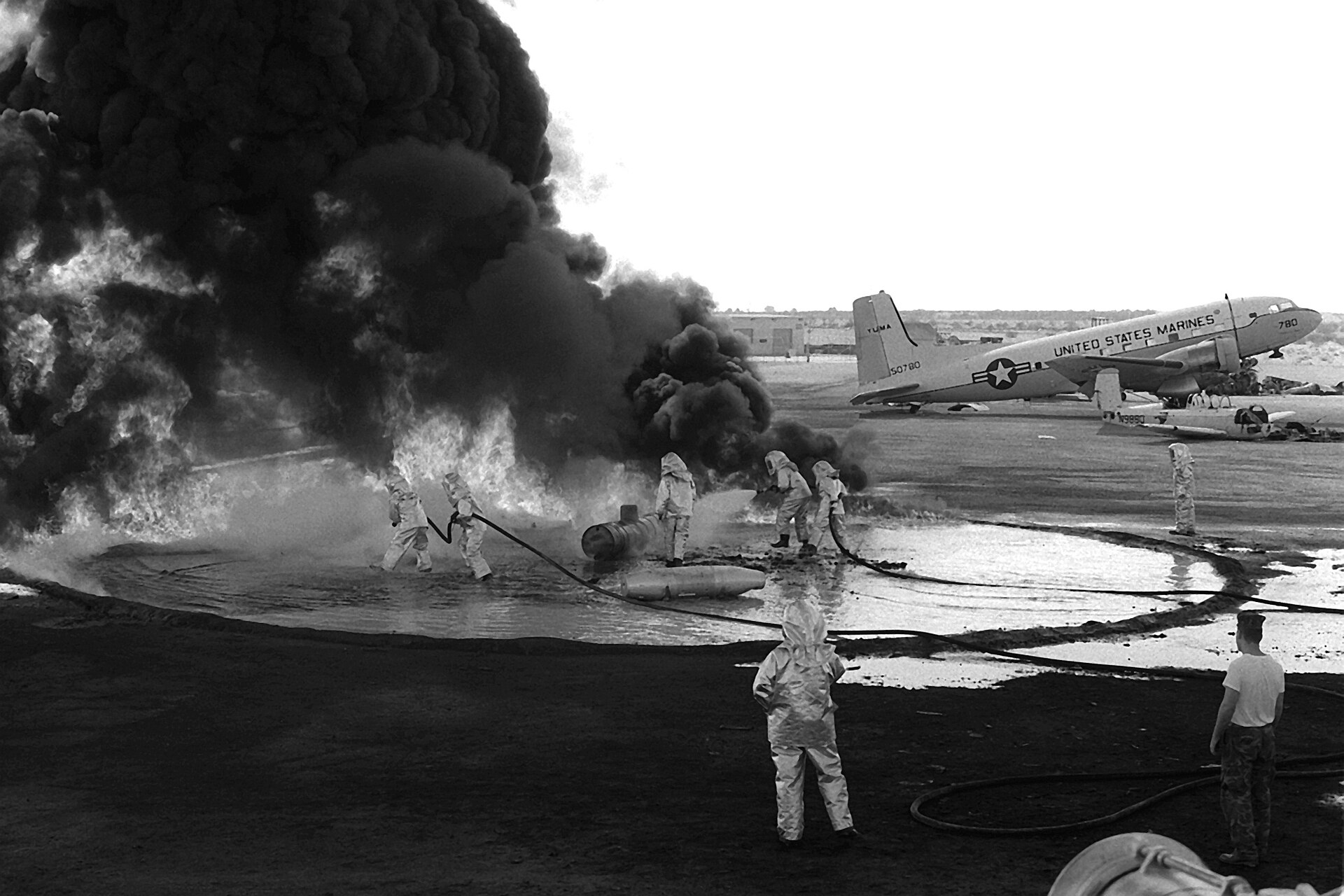
Aircraft hangars and maintenance shops. Aircraft maintenance hangars at naval air stations were constructed with asbestos-containing fireproofing on structural steel, asbestos-insulated heating systems, and often asbestos-containing roofing materials. Aviation ratings (AD, AE, AM) who worked in hangar environments were exposed to asbestos from building materials during overhead maintenance, renovation periods, and hangar remodeling.
Base hospitals and medical facilities. Naval hospitals built before 1975 contained asbestos in pipe insulation, ceiling tiles, floor tiles, and fireproofing. Hospital Corpsmen and other medical personnel who worked in base medical facilities over extended tours were present in asbestos-containing environments throughout their shore duty.
Shore-based weapons storage and ordnance facilities. Naval weapons stations and ordnance storage facilities used asbestos in insulation and fireproofing applications specifically because of fire-resistance requirements. Gunners’ Mates (GM) and other ordnance ratings who maintained shore-based weapons systems worked in environments with documented asbestos use.
Officer and enlisted housing. Base housing constructed before 1978 contained asbestos in floor tiles, joint compound, ceiling texture, and pipe insulation. Family housing renovations conducted by base maintenance crews involved disturbing these materials throughout the Navy’s housing stock.
The 38 CFR § 3.309(d) Framework for Shore-Duty Veterans
The VA’s presumptive service connection regulation for asbestos-related diseases — 38 CFR § 3.309(d) — does not require shipboard service. It requires documentation of asbestos exposure during active military service and a current diagnosis of an asbestos-related disease such as mesothelioma, asbestosis, or lung cancer with a history of asbestos exposure.
For shore-duty veterans, the exposure documentation typically rests on:
- DD-214 duty stations. Block 7 of the DD-214 lists primary duty stations. Assignment to a naval base during the asbestos era establishes the veteran’s presence at an installation with documented ACM throughout its infrastructure.
- Shore assignment orders. Orders assigning a veteran to a specific shore command — a naval air station, weapons station, hospital, or training center — can establish the assignment period when a DD-214 is ambiguous.
- Rating and duty description. Veterans in engineering, maintenance, or construction ratings whose shore duties routinely involved boiler rooms, steam tunnels, or building maintenance work have a more direct exposure pathway than administrative ratings, though all shore-duty personnel worked in buildings with asbestos-containing materials.
Major Naval Bases with Documented Asbestos Records
The following installations are among those most frequently cited in naval shore-facility asbestos records, NESHAP abatement filings, and EPA/OSHA databases:
Naval Station Norfolk, VA — The world’s largest naval installation by vessel berths. Shore infrastructure dating to the 1910s and 1920s includes extensive asbestos use throughout base boiler systems, barracks, and administrative facilities.
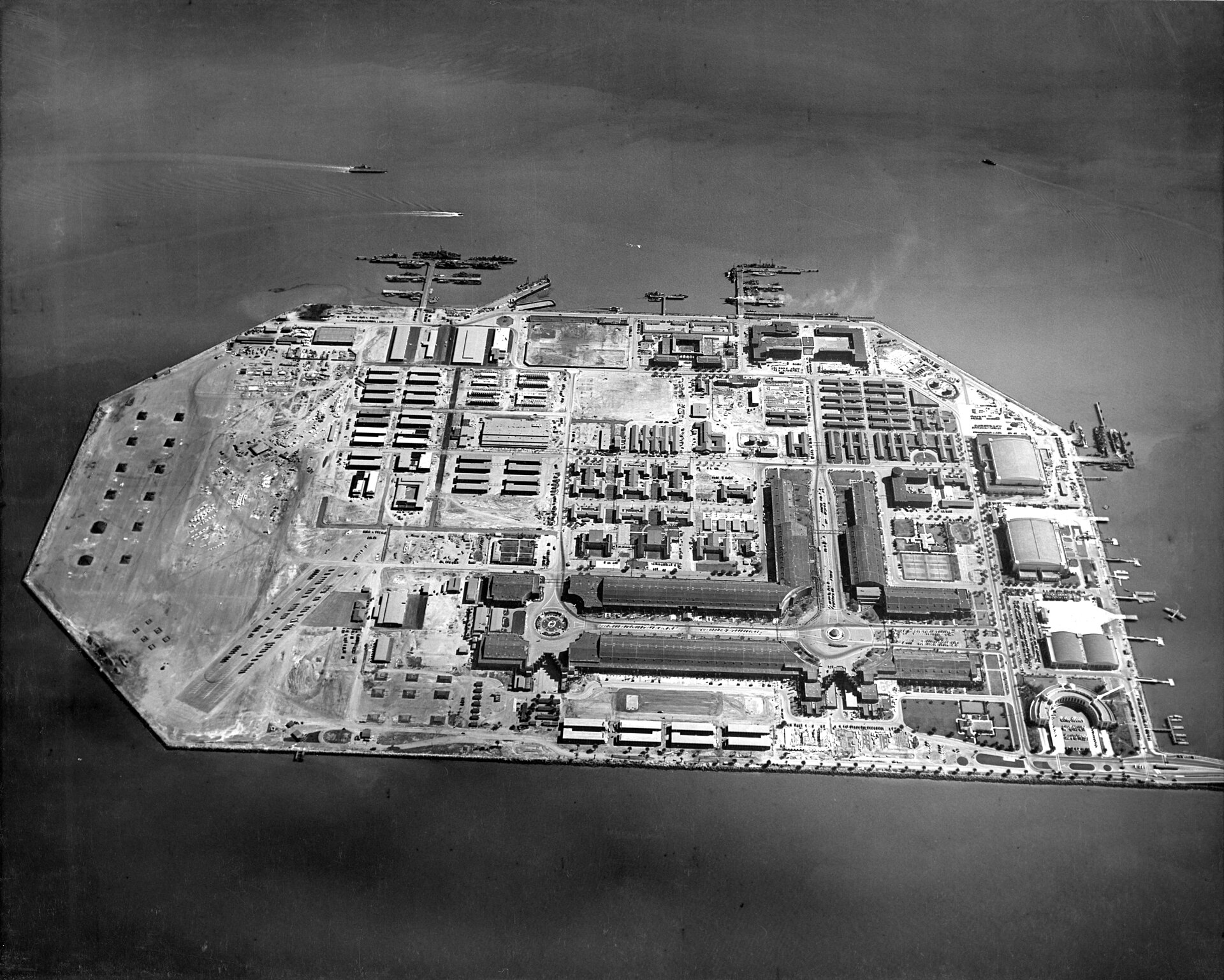
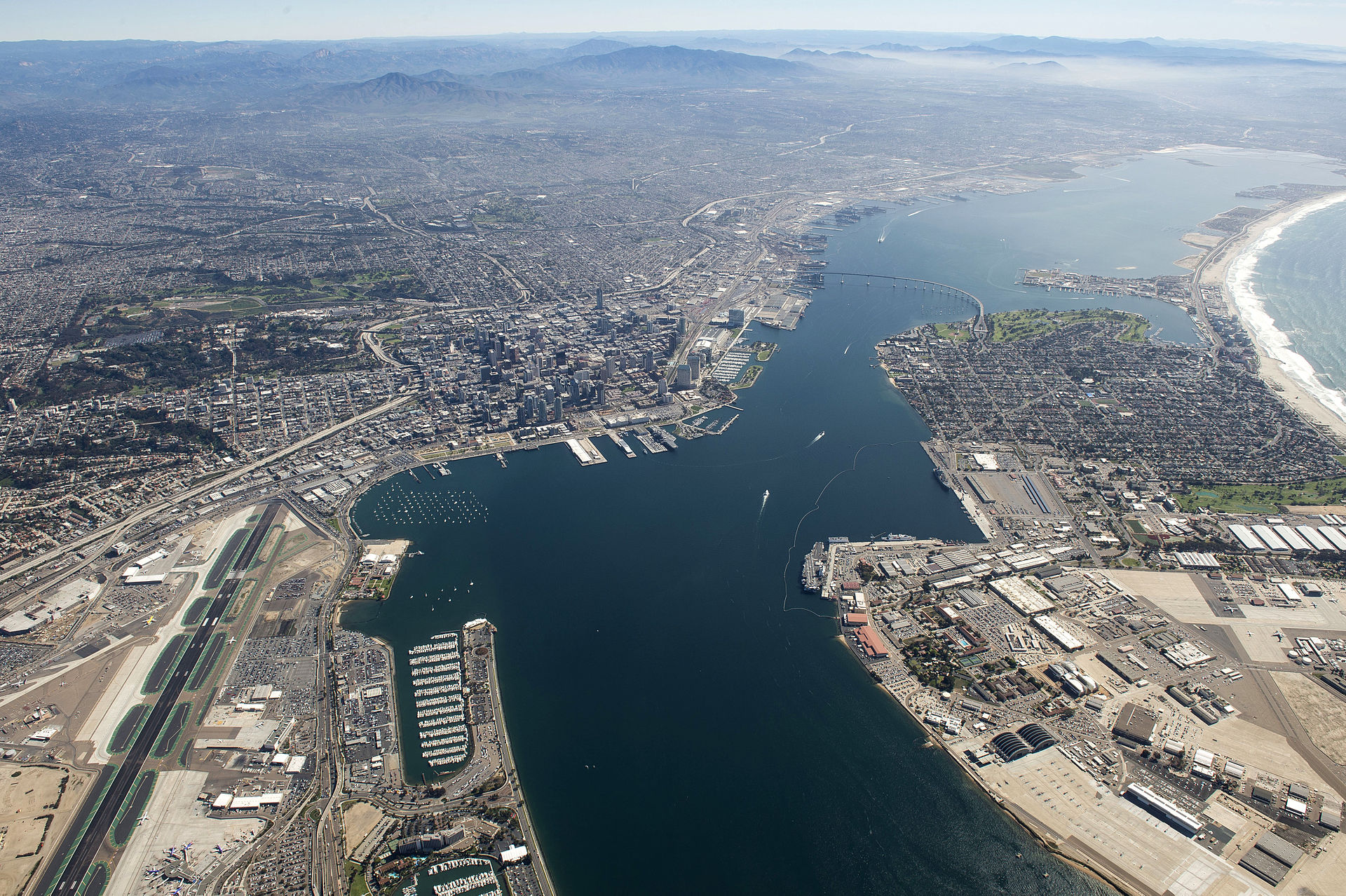
Naval Base San Diego, CA — Primary West Coast surface fleet homeport. Base construction spanning World War II through the 1960s used asbestos extensively in both permanent facilities and expedient wartime construction that was never replaced.
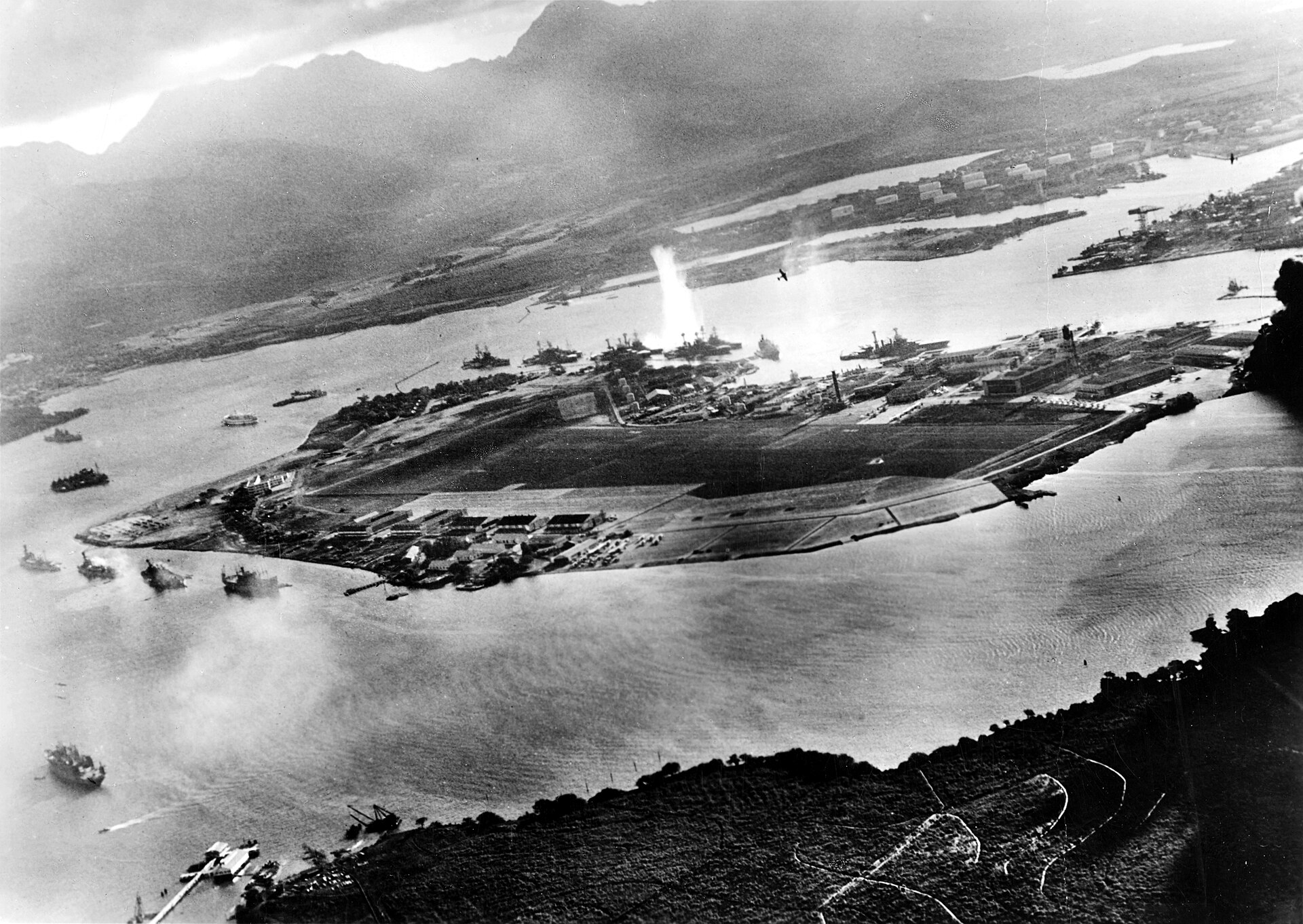
Naval Station Pearl Harbor, HI — Historic installation with infrastructure dating to the pre-war period. Pearl Harbor underwent massive construction and reconstruction after December 1941; asbestos-containing materials were standard in wartime expedient construction throughout this rebuilding period.
NAS Jacksonville, FL — Major East Coast naval aviation installation. Hangar construction, maintenance shop facilities, and enlisted housing built during World War II and the postwar expansion period contained asbestos throughout.
Naval Base Kitsap, Bremerton, WA — Co-located with Puget Sound Naval Shipyard. Shore infrastructure and housing on the Bremerton installation reflected the same period construction and asbestos-use patterns as the adjacent shipyard.
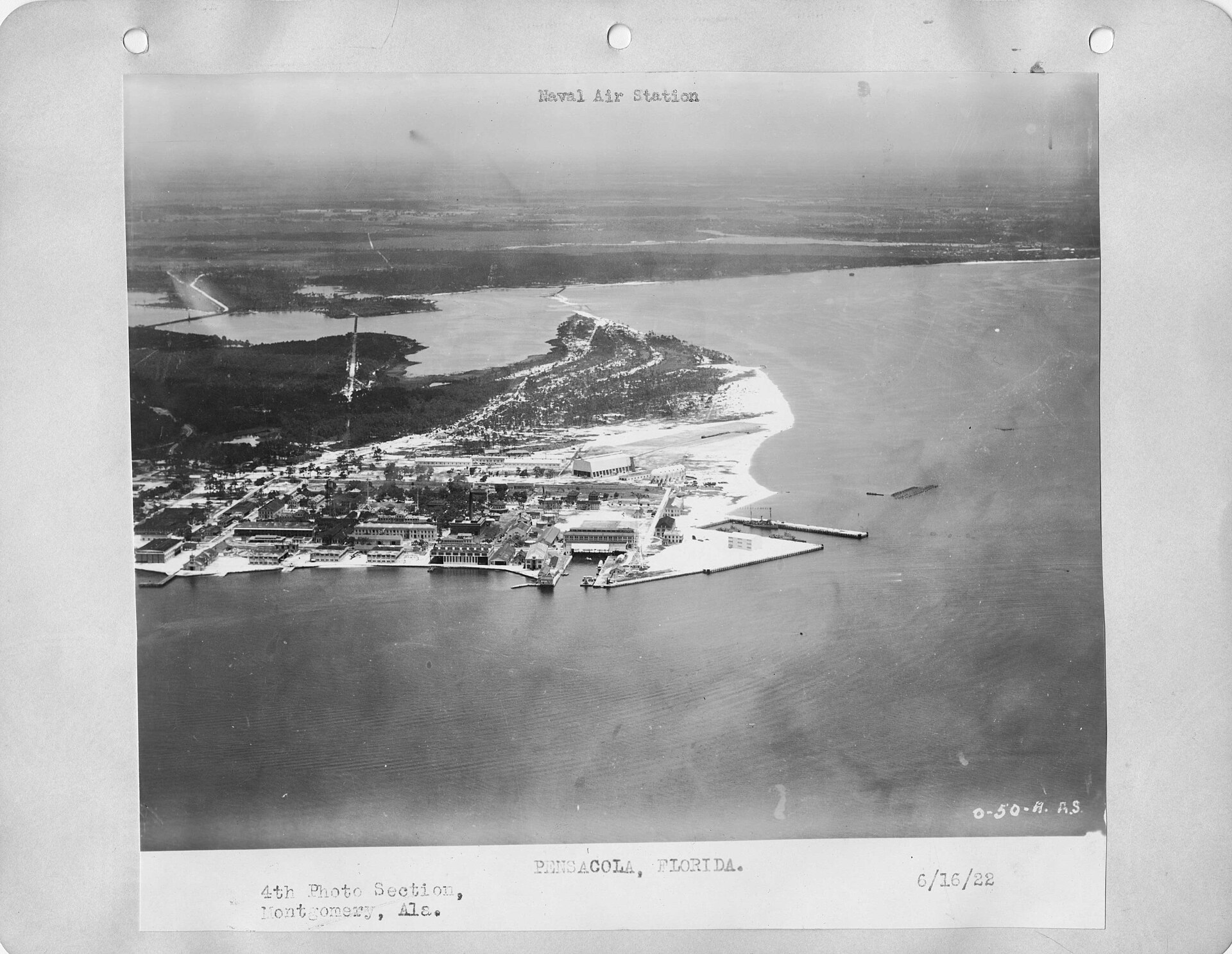
NAS Pensacola, FL — The Navy’s oldest air station and primary aviation training center. Facility construction spanning from 1914 through the 1960s reflects multiple generations of asbestos use in both historic buildings and postwar construction.
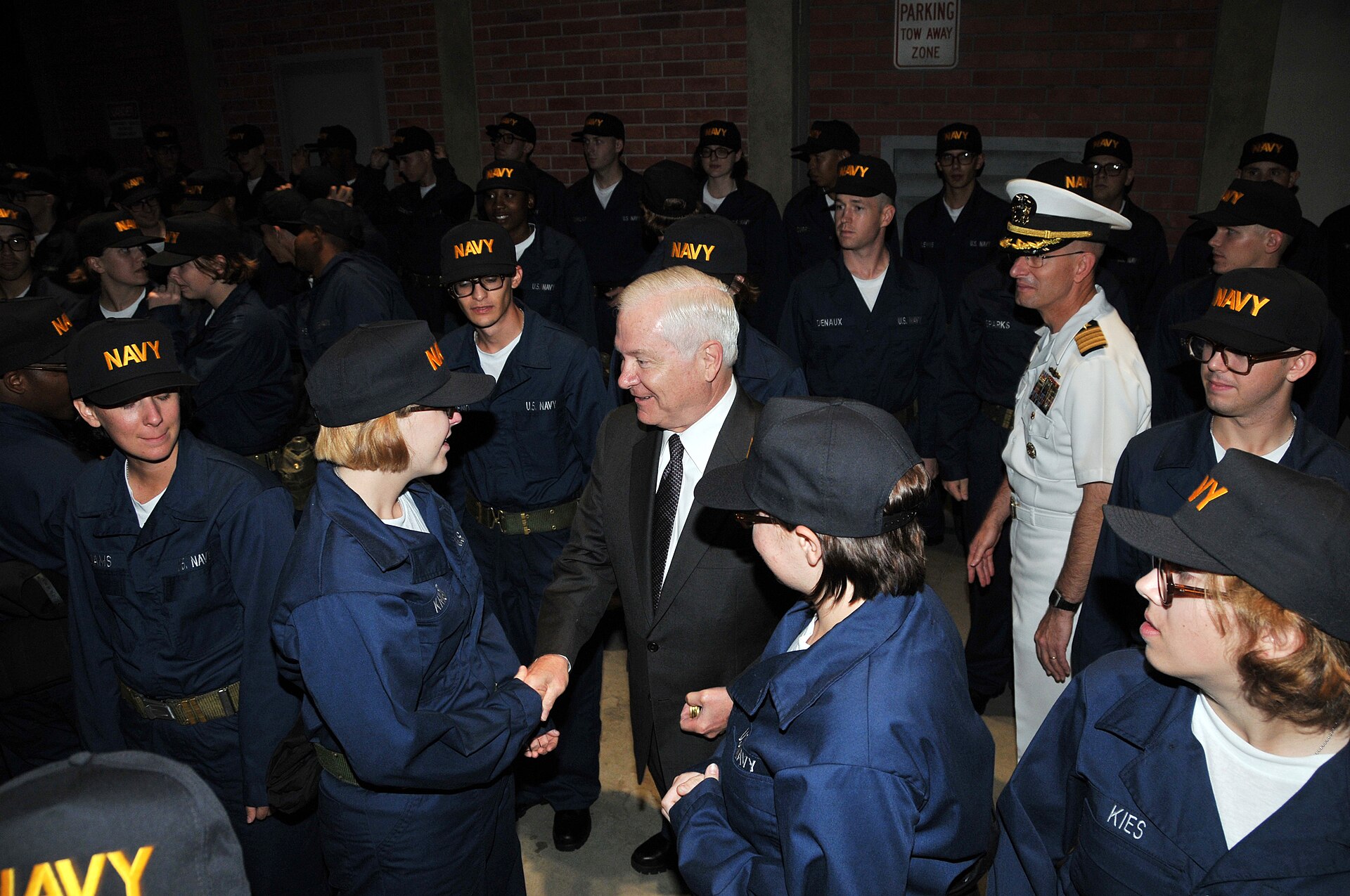
Naval Station Great Lakes, IL — The Navy’s primary enlisted training center. Recruit training facilities, barracks, and technical school buildings constructed in the 1940s and 1950s contained asbestos in insulation, flooring, and fireproofing throughout the installation.
NAS Miramar, CA — Former fighter weapons school installation. Hangar facilities and maintenance infrastructure in use from World War II through the early 1990s contained asbestos in roofing, fireproofing, and insulation systems.
VA Claims Documentation for Shore-Duty Exposure
Shore-duty veterans filing VA presumptive claims should gather the same documentation as shipboard veterans — a diagnosis, a duty-station record, and a clear connection between the duty station and known ACM presence. The VA is familiar with the exposure histories of major naval installations; a well-documented claim identifies the base, the dates of assignment, and the veteran’s duties in proximity to the base’s known ACM locations.
No statute of limitations applies to VA claims. Veterans who served at any of the installations described here decades ago and have since developed mesothelioma, asbestosis, or a related diagnosis may still file.