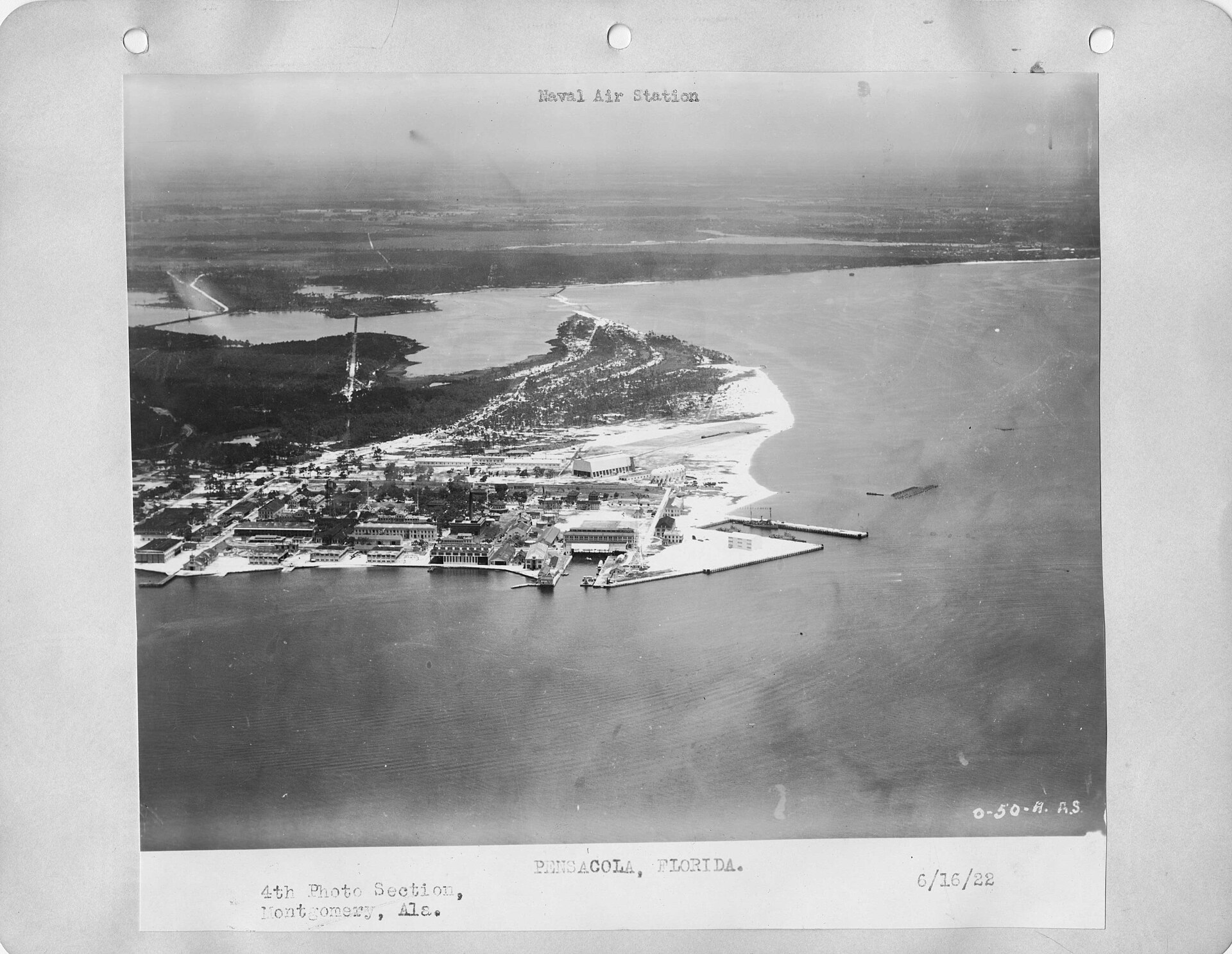
If you served at Naval Air Station Pensacola—or worked there as a civilian contractor—and you’ve just been diagnosed with mesothelioma, asbestosis, or asbestos-related lung cancer, you need to understand two things immediately: VA benefits are available with no filing deadline, and a civil lawsuit against the manufacturers who supplied asbestos-containing materials to this base must be filed within three years of your diagnosis. These are separate remedies. Pursuing one does not forfeit the other. NAS Pensacola operated for more than a century with asbestos built into its infrastructure by deliberate procurement policy—not by accident. Thousands of sailors, Marines, and civilian workers were exposed during peak periods from the 1940s through the 1970s. Many are receiving diagnoses now because asbestos-related diseases take 20 to 50 years to develop. A maritime asbestos attorney can file both your VA claim and your civil lawsuit simultaneously.
Naval Air Station Pensacola: History and Operations
The Cradle of Naval Aviation
Established in 1914, NAS Pensacola is the oldest naval air station in the United States. The base occupies a 5,800-acre peninsula in Escambia County along Pensacola Bay. It has served as the primary training gateway for naval aviation for more than a century, houses the Blue Angels flight demonstration squadron, and has trained Navy, Marine Corps, and Coast Guard aviators across every generation of American military aviation.
Operational Periods and Exposure Risk
World War II (1940–1945): Wartime expansion drove rapid construction across the base using asbestos-containing materials throughout. Thousands of personnel cycled through daily.
Post-War and Korean War Era (1945–1955): Additional construction and deferred maintenance on wartime structures prolonged exposure conditions.
Vietnam Era (1965–1975): High operational tempo and aging infrastructure required constant maintenance in asbestos-contaminated spaces.
Renovation and Demolition (1970s–1990s): Disturbing legacy asbestos-containing materials during facility updates generated acute exposure events for workers who had no role in original construction.
Why the Navy Used Asbestos
From the 1930s through the mid-1970s, the Department of Defense, the Army Corps of Engineers, and the Navy Bureau of Yards and Docks wrote asbestos-containing products into federal construction standards. Manufacturers including Johns-Manville, Owens Corning, Eagle-Picher, Garlock Sealing Technologies, Armstrong World Industries, and W.R. Grace supplied these products to military installations nationwide under federal contract.
The Navy specified asbestos because it resisted fire, insulated steam systems effectively, and was cheap. The same materials used aboard ships were built into shore-based infrastructure as a matter of standard practice—not by accident, but by deliberate procurement policy.
Federal regulations began restricting asbestos use in the early 1970s. Everything built before that cutoff remained in place, often for decades afterward.
Asbestos-Containing Materials at NAS Pensacola: Documented Exposure Sources
Public records, federal facility assessments, and litigation documents reportedly identify the following facility types and materials at NAS Pensacola.
Barracks and Administrative Buildings
Enlisted barracks and officer quarters built during the World War II expansion allegedly contained:
- Vinyl asbestos tile (VAT) flooring manufactured by Georgia-Pacific
- Ceiling tiles and textured plaster coatings, including Gold Bond brand products
- Pipe insulation throughout mechanical chases, including Kaylo and Thermobestos brand products
- Transite board wall surrounds, an asbestos-cement composite manufactured by companies including Crane Co.
Aircraft Maintenance Hangars
Hangars used to maintain training aircraft reportedly contained:
- Spray-on fireproofing on structural steel, including Monokote brand fireproofing documented in published trial records as frequently specified in naval aviation facilities
- Asbestos-containing gaskets and packing materials supplied by Garlock Sealing Technologies
- Insulated pipe runs using Aircell and Kaylo brand insulation
- Asbestos-containing brake assemblies and engine components in training aircraft
Boiler Plants and Steam Distribution Systems
NAS Pensacola’s central heating infrastructure, documented in federal facility records, allegedly included:
- Pipe systems insulated with asbestos block and pipe covering products manufactured by Johns-Manville, Eagle-Picher, and W.R. Grace
- Asbestos-containing fittings including Superex brand insulation products
- Steam distribution tunnels running beneath the base with asbestos-insulated piping and boiler wrap
- Boiler room equipment and boiler block insulation manufactured by Johns-Manville
Workers entering those steam tunnels for maintenance and repair reportedly faced some of the highest airborne asbestos fiber concentrations documented on any shore-based naval installation.
Base Housing and Family Quarters
Housing units built during rapid expansion periods allegedly incorporated:
- Asbestos-containing roofing materials manufactured by Armstrong World Industries and Georgia-Pacific
- VAT flooring manufactured by Georgia-Pacific
- Wallboard and interior finishes including Gold Bond brand products
- Pipe insulation in mechanical systems using Kaylo and Thermobestos brand products
These materials remained in place for decades, exposing base residents and maintenance workers long after initial construction.
Repair, Workshop, and Support Facilities
Sheet metal shops, pipe shops, and mechanical workshops on base reportedly used:
- Transite board manufactured by Crane Co. for work surfaces, partitions, and equipment surrounds
- Asbestos-containing brake linings and clutch materials supplied by Garlock Sealing Technologies
- Mechanical equipment and pipe systems insulated with Aircell, Kaylo, and related products
Who Faced the Highest Asbestos Exposure Risk
Active-Duty Military Personnel
- Navy and Marine Corps students, instructors, and support staff
- Aviation mechanics and aircraft maintenance personnel assigned to hangars
- Engineers and technicians working in boiler plants and steam systems
- Personnel living in barracks and working in administrative buildings
Civilian Trades Workers
Civilian DoD employees and federal contractors performing base maintenance faced occupational exposures documented across decades of asbestos litigation. High-exposure trades include:
- Pipefitters and plumbers working on insulated steam systems using Johns-Manville and W.R. Grace products
- Boilermakers and boiler technicians servicing equipment insulated with asbestos block and boiler wrap
- Electricians working in spaces with Monokote spray-on fireproofing and transite board
- HVAC technicians working on insulated duct systems and mechanical equipment
- Insulators handling Kaylo, Thermobestos, Aircell, and Superex brand products directly
- Sheet metal workers exposed to transite board in base workshops
- Welders exposed to asbestos dust during maintenance of insulated equipment
- Carpenters and general maintenance workers disturbing asbestos-containing materials during repair and renovation
Secondary Exposure Groups
- Janitorial staff who swept debris in mechanical spaces without respiratory protection
- Security and base personnel transiting buildings with damaged ACMs
- Family members exposed to asbestos dust carried home on work clothing
- Contract workers performing specialized renovation work on existing ACMs
Asbestos-Related Diseases: Why Diagnoses Are Appearing Now
Veterans and civilian workers who served at NAS Pensacola during peak exposure periods in the 1940s through 1970s are now in their 70s, 80s, and 90s. Asbestos-related diseases develop 20 to 50 years after initial exposure. A sailor who worked in a steam tunnel in 1965 may receive a mesothelioma diagnosis today.
Mesothelioma
Mesothelioma is a rare, aggressive cancer of the pleural lining of the lungs or the peritoneal lining of the abdomen. Asbestos exposure from products manufactured by Johns-Manville, Owens Corning, Eagle-Picher, and others is the established cause. Median survival after diagnosis runs 12 to 21 months. The disease typically presents at an advanced stage because of the long latency period—which is precisely why the legal deadlines matter from the day you receive the diagnosis.
Asbestosis
Asbestosis is progressive fibrotic lung disease caused by asbestos fiber accumulation in lung tissue from products including Kaylo, Thermobestos, and other insulation materials. It scars lung tissue, reduces capacity, impairs breathing, and increases risk of secondary lung cancer and mesothelioma.
Asbestos-Related Lung Cancer
Lung cancer tied to asbestos exposure from products manufactured by Johns-Manville, W.R. Grace, and others is compensable under both VA frameworks and civil litigation. Risk rises in individuals who also smoked or faced other occupational carcinogens—and that history does not disqualify a claim.
Other Recognized Conditions
- Pleural plaques
- Pleural effusion
- Atelectasis and related pleural abnormalities
- Non-malignant respiratory impairment
Medical providers treating older veterans and retired civilian workers should maintain a high index of suspicion for these conditions in any patient with documented NAS Pensacola service during covered periods.
VA Disability Benefits for Navy Veterans
Understanding VA asbestos-claim guidance
Veterans diagnosed with mesothelioma, asbestosis, or asbestos-related lung cancer may file for VA disability compensation. VA generally requires evidence of in-service exposure, a current diagnosis, and a medical nexus:
- No requirement to prove that base service caused the disease
- No expert medical testimony on causation required
- Service connection established by documenting military assignments to facilities where asbestos exposure reportedly occurred
A VA disability claim requires only three elements:
- Diagnosis of mesothelioma, asbestosis, or asbestos-related lung cancer (medical evidence required)
- Military service record documenting assignment to NAS Pensacola during covered periods
- VA Form 21-526EZ filed with supporting documents
VA evaluates asbestos claims individually. Veterans generally need evidence of in-service asbestos exposure, a current diagnosis, and a medical nexus between them.
What VA Disability Benefits Include
Monthly Disability Compensation: Tax-free payments based on disability rating, from 10% to 100%. Mesothelioma and asbestosis typically qualify for 100% ratings, yielding that varies by caseper month (2024 rates, subject to annual adjustment).
VA Healthcare: Full VA medical treatment for the asbestos-related condition, including oncology, palliative care, respiratory services, and hospital admission.
Dependency and Indemnity Compensation (DIC): Surviving spouses and dependent children of veterans who die from service-connected asbestos diseases may file for monthly DIC payments, currently an amount that varies by caseper month for spouses (2024 rates).
Retroactive Payments: Benefits accrue from the date of VA claim filing. A veteran diagnosed in 2023 who files in 2025 receives back-pay for the full two-year period.
No Statute of Limitations: VA asbestos disease claims carry no filing deadline. File now regardless of when the diagnosis occurred.
Priority Healthcare: Veterans with service-connected asbestos diseases receive Priority Group 1 status, ensuring rapid access to VA medical facilities.
Civil Litigation: The 3-Year Deadline You Cannot Afford to Miss
Veterans’ Civil Lawsuit Rights
VA benefits and civil litigation are not mutually exclusive. Veterans may simultaneously pursue civil claims against the product manufacturers who supplied asbestos-containing materials to NAS Pensacola—companies including Johns-Manville, Owens-Illinois, Eagle-Picher, Garlock Sealing Technologies, W.R. Grace, Georgia-Pacific, Armstrong World Industries, and Crane Co. Civil recoveries do not reduce VA benefits, and VA benefits do not cap civil damages.
A maritime asbestos attorney can file your civil lawsuit in the federal district court where you reside, in the Northern District of Florida where NAS Pensacola is located, or in another district with a nexus to your exposure history and residence. National maritime asbestos firms represent Navy veterans and civilian workers in all 50 states—VA claims are filed federally, and civil lawsuits follow the evidence, not your zip code. You do not need a local attorney.
The Critical Deadline
The statute of limitations for maritime asbestos civil claims under **46
For informational purposes only. Not legal advice. No attorney-client relationship is created by reading this page. © 2026 Rights Watch Media Group LLC — Disclaimer · Privacy · Terms · Copyright