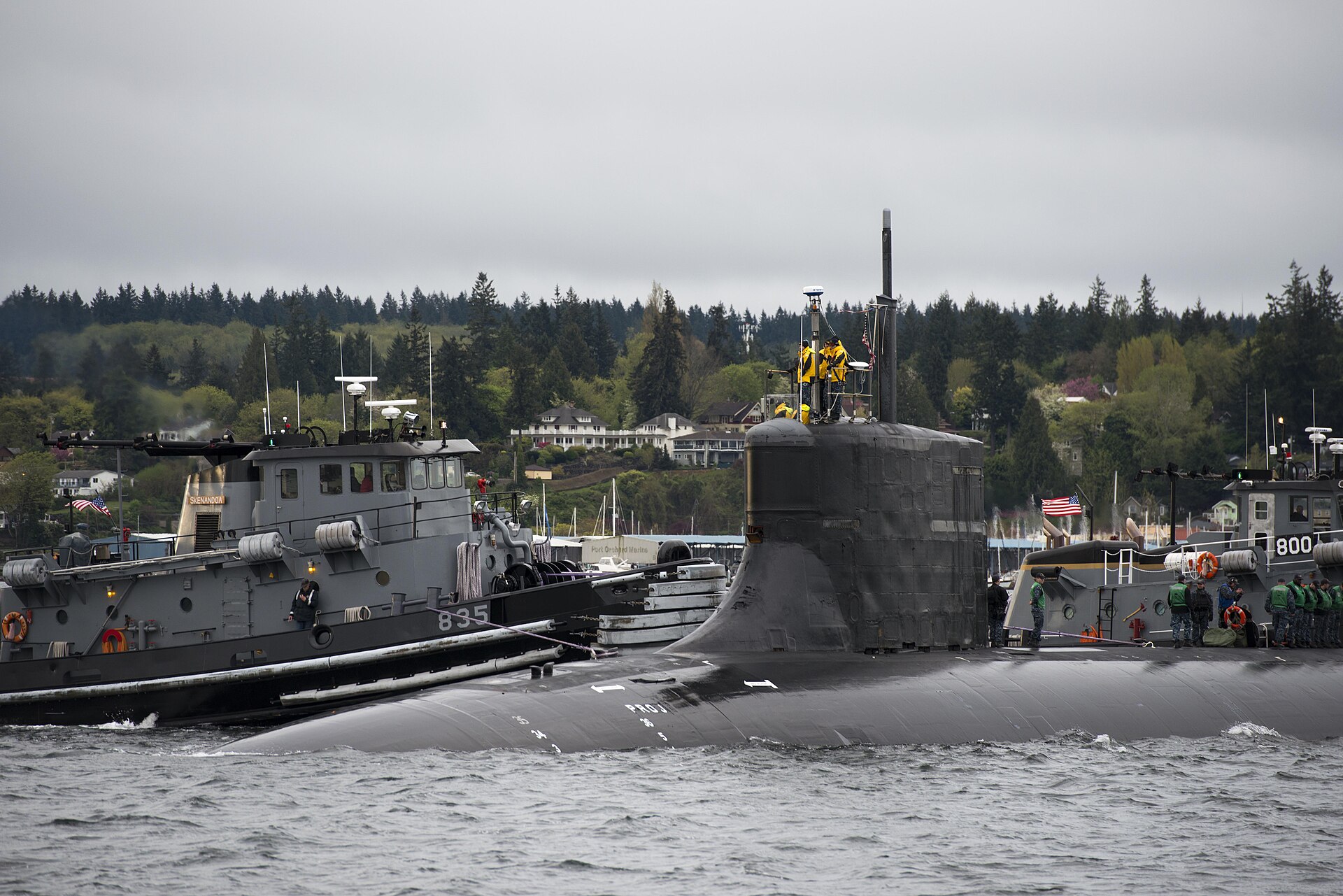
If you served at Naval Base Kitsap or worked at Puget Sound Naval Shipyard and have been diagnosed with mesothelioma, lung cancer, asbestosis, or pleural disease, you have two separate legal paths available — and you should be pursuing both simultaneously. VA claims carry no statute of limitations, so veterans and surviving spouses may file at any time. Civil lawsuits against asbestos manufacturers, however, are subject to a strict federal maritime statute of limitations of three years from the date of diagnosis — and that clock does not pause. Asbestos trust fund claims may carry their own filing windows, and trust assets across multiple funds are actively depleting, making early action essential. Naval Base Kitsap and Puget Sound Naval Shipyard are documented in public litigation records and federal facility documents as heavily contaminated sites, with boiler plants, steam tunnels, drydocks, ship repair facilities, barracks, and administrative buildings reportedly containing asbestos-containing materials (ACMs). Thousands of veterans and civilian workers are receiving diagnoses today, decades after the original exposure.
Naval Base Kitsap and Puget Sound Naval Shipyard: Background
Naval Base Kitsap sits on the western shore of Puget Sound, roughly 15 miles west of Seattle. Established in 1891, it is one of the oldest continuously operating Navy installations on the Pacific Coast. Puget Sound Naval Shipyard, established the same year, grew into a primary facility for ship construction, overhaul, and repair — work that placed shipyard trades directly in contact with ACMs for decades.
The installation supported operations through World War II, the Korean War, the Vietnam era, and the Cold War. Today, Naval Base Kitsap consolidates former separate installations at Bremerton, Bangor, and Keyport, hosting nuclear submarines, aircraft carriers, and surface combatants. Veterans and civilian workers from this installation now live across all 50 states. Current residence is irrelevant — VA asbestos claims are federal, and experienced maritime asbestos attorneys handle these cases for Navy veterans and shipyard workers nationwide.
Why Asbestos Was Used at Naval Base Kitsap
From the 1930s through the mid-1970s, federal agencies and military contractors specified ACMs throughout base infrastructure for their cost-effectiveness, fireproofing properties, thermal resistance, and ease of fabrication. Navy procurement and construction documents — preserved in public records — called for asbestos insulation in steam and hot-water piping, boiler systems, turbines, electrical panels, and structural steel fireproofing.
Major manufacturers whose products were reportedly used throughout the installation include Johns-Manville, Owens Corning (formerly Owens-Illinois), Armstrong World Industries, Georgia-Pacific, Celotex, W.R. Grace, Eagle-Picher, and Garlock Sealing Technologies. Specific trade names documented in public litigation records include Kaylo, Thermobestos, Aircell, Monokote, Gold Bond, and Pabco flooring and ceiling materials.
Shore-based facilities with high-pressure steam systems, industrial workshops, and older multi-story construction were saturated with ACMs. Spray-applied fireproofing containing chrysotile and amosite — products reportedly manufactured by Armstrong World Industries and W.R. Grace — was applied to structural steel during the 1940s and 1950s construction expansion. As those materials aged, were disturbed during renovation, or were demolished without abatement, fibers became airborne.
Where Asbestos Was Found at Naval Base Kitsap and PSNS
Boiler Plants and Steam Distribution Systems
The base’s central heating infrastructure — boiler plants and the underground steam tunnel network serving barracks and administrative buildings — reportedly contained pipe lagging and block insulation manufactured by Johns-Manville, including Kaylo and Thermobestos block insulation documented in litigation records. Pipe insulation in steam systems used chrysotile and amosite wrap from Owens Corning and Georgia-Pacific. Boiler block insulation applications incorporated Johns-Manville and Celotex products.
Drydocks and Machine Shops at PSNS
PSNS operated multiple drydocks for overhaul of cruisers, carriers, and submarines. Industrial hygiene records and litigation testimony allege that removal and replacement of shipboard insulation — products from Johns-Manville, Owens-Illinois, and Eagle-Picher — generated extremely high ambient fiber concentrations inside enclosed drydock environments. Ship repair work inherently disturbs shipboard insulation; workers in and around those drydocks inhaled fibers shed throughout that process.
Pipe Shops and Insulators’ Shops
Trades workers fabricated and fitted insulated pipe sections using raw ACMs from Johns-Manville and Garlock Sealing Technologies — cutting, shaping, and fitting Kaylo block, Thermobestos, and asbestos-wrapped fittings in enclosed shop environments. Members of Heat and Frost Insulators locals applied asbestos-containing pipe wrap and block insulation throughout the facility. Pipefitters handled Garlock gaskets, packing, and seals daily. No respiratory protection was standard practice during the peak exposure decades.
Barracks and Administrative Buildings
World War II-era barracks reportedly incorporated vinyl asbestos tile (VAT) flooring manufactured by Armstrong World Industries, Gold Bond, and Pabco. Spray-on fireproofing from W.R. Grace and Armstrong World Industries covered structural members. Dormitory hot-water and heating systems used Johns-Manville Kaylo and Thermobestos pipe insulation. Administrative buildings contained the same VAT flooring, asbestos ceiling materials, and insulated mechanical systems.
Aircraft Hangars
Hangars used for naval aviation maintenance allegedly received asbestos-based fireproofing from W.R. Grace and Armstrong World Industries on overhead structural steel. Aircraft systems incorporated asbestos-containing gaskets and brake materials from Garlock Sealing Technologies and Crane Co. Maintenance and repair work disturbed those materials and released fibers into hangar air.
Base Housing and Family Quarters
Post-WWII and Korean War-era family housing units reportedly contained VAT flooring from Armstrong World Industries and Gold Bond, textured ceiling coatings from Celotex and W.R. Grace, and pipe insulation using Johns-Manville Kaylo and Thermobestos throughout mechanical systems.
Who Was Exposed at Naval Base Kitsap
Active-Duty Sailors and Officers
- Shore duty billets at the base
- Ship repair assignments at PSNS and drydocks
- Administrative and support functions in older base buildings
- Personnel stationed aboard vessels undergoing overhaul at PSNS
Marines
- Security, administrative, and support roles on the installation
- Personnel working in or transiting through facilities with documented ACM presence
Naval Shipyard Civilian Employees
This population accounts for the largest documented exposure group at PSNS.
Insulators and laggers directly installed and removed asbestos pipe insulation — Johns-Manville Kaylo, Thermobestos, and block insulation products. Industrial hygiene data from comparable Navy shipyards documents fiber counts among insulators that exceeded permissible exposure limits by orders of magnitude. Members of Heat and Frost Insulators locals received among the highest occupational exposures recorded at any Navy facility.
Pipefitters handled Garlock Sealing Technologies gaskets, packing, and seals, and worked directly with asbestos-wrapped pipe and fittings throughout their assignments.
Boilermakers assembled and maintained boiler systems insulated with Johns-Manville and Eagle-Picher products and worked with Garlock and Crane Co. gaskets.
Electricians installed and maintained electrical systems with asbestos insulation and wrapping from Armstrong World Industries and Owens Corning, including work inside ship compartments during overhaul.
Sheet metal workers cut through and worked around ACM-containing panels and ducts manufactured by Georgia-Pacific, Celotex, and W.R. Grace.
Painters sanded and prepared surfaces coated with asbestos-containing products from Armstrong World Industries and Gold Bond, releasing fibers in poorly ventilated spaces.
Carpenters worked with ACM flooring from Pabco and Armstrong, panels from Celotex, and structural materials throughout base buildings.
DoD Contractors and Subcontractors
Contractors performed maintenance, renovation, and construction work throughout the Cold War era using products from Johns-Manville, Owens Corning, and W.R. Grace. Brought in for specialized ship repair and overhaul tasks, they frequently worked without shipyard-specific asbestos safety protocols.
Family Members in On-Base Housing
Family members experienced secondary exposure through contaminated work clothing brought home by shipyard workers. Fibers from Johns-Manville, Armstrong World Industries, and Garlock products transferred to home environments through laundering and routine contact. Aging ACM materials in family housing — VAT flooring from Pabco and ceiling tiles from Celotex — shed fibers independently as they deteriorated.
Peak Exposure Periods at Naval Base Kitsap
World War II Construction Era (1940–1945)
The base underwent massive expansion using ACMs from Johns-Manville, Owens-Illinois, and Armstrong World Industries. Wartime urgency meant minimal safety oversight. Spray-applied fireproofing from W.R. Grace and Armstrong World Industries was applied to structural steel across newly constructed facilities with no fiber monitoring, no respiratory protection requirements, and no exposure records kept.
Post-War Expansion (1946–1960)
New barracks, administrative buildings, and family housing constructed during this period incorporated VAT flooring from Armstrong and Pabco, asbestos ceiling materials from Celotex, and pipe insulation from Johns-Manville. The Cold War buildup drove rapid construction under the same ACM-saturated procurement specifications.
Ship Repair and Overhaul Peak (1950–1975)
PSNS handled overhaul of the Pacific Fleet’s major surface combatants and early nuclear submarines throughout this period. Removal of shipboard asbestos insulation from Johns-Manville, Owens-Illinois, and Eagle-Picher in enclosed drydock environments generated documented high-fiber conditions. Industrial hygiene surveys from comparable Navy shipyards during this era recorded fiber counts multiple times above threshold limit values then in use.
Renovation and Demolition Era (1970–2000)
After federal regulations tightened, disturbing existing ACMs during renovation generated exposures comparable to original installation work. Workers performing renovation without proper abatement — or with inadequate abatement protocols — inhaled fibers from materials installed decades earlier.
Legal Rights for Veterans and Workers: VA Benefits and Civil Claims Are Not Mutually Exclusive
VA Disability Claims — VA asbestos-claim guidance — No Statute of Limitations
Veterans diagnosed with mesothelioma, lung cancer, asbestosis, or pleural disease file VA disability claims under VA asbestos-claim guidance. There is no statute of limitations — you may file at any time, regardless of when you were diagnosed or how many years have passed since service. The VA does not require you to identify specific products or manufacturers. A diagnosis, a service record showing assignment to an asbestos-exposed billet or facility, and a medical nexus opinion connecting the disease to service are the core components of the claim.
Veterans rated at 100% disability for mesothelioma or service-connected lung cancer receive monthly compensation, retroactive benefits, and Dependency and Indemnity Compensation (DIC) for surviving spouses and dependent children. VA compensation for mesothelioma can varied by case, typically approved within 6 to 18 months.
VA benefits are available to Navy veterans in all 50 states. Veterans living in California, Florida, Texas, New York, or anywhere else file the same federal claim under identical legal standards. There is no geographic restriction.
Civil Lawsuits Against Asbestos Manufacturers — Three-Year Federal Maritime Deadline
For informational purposes only. Not legal advice. No attorney-client relationship is created by reading this page. © 2026 Rights Watch Media Group LLC — Disclaimer · Privacy · Terms · Copyright