VA evaluates asbestos claims individually. Veterans generally need evidence of in-service asbestos exposure, a current diagnosis, and a medical nexus between them.
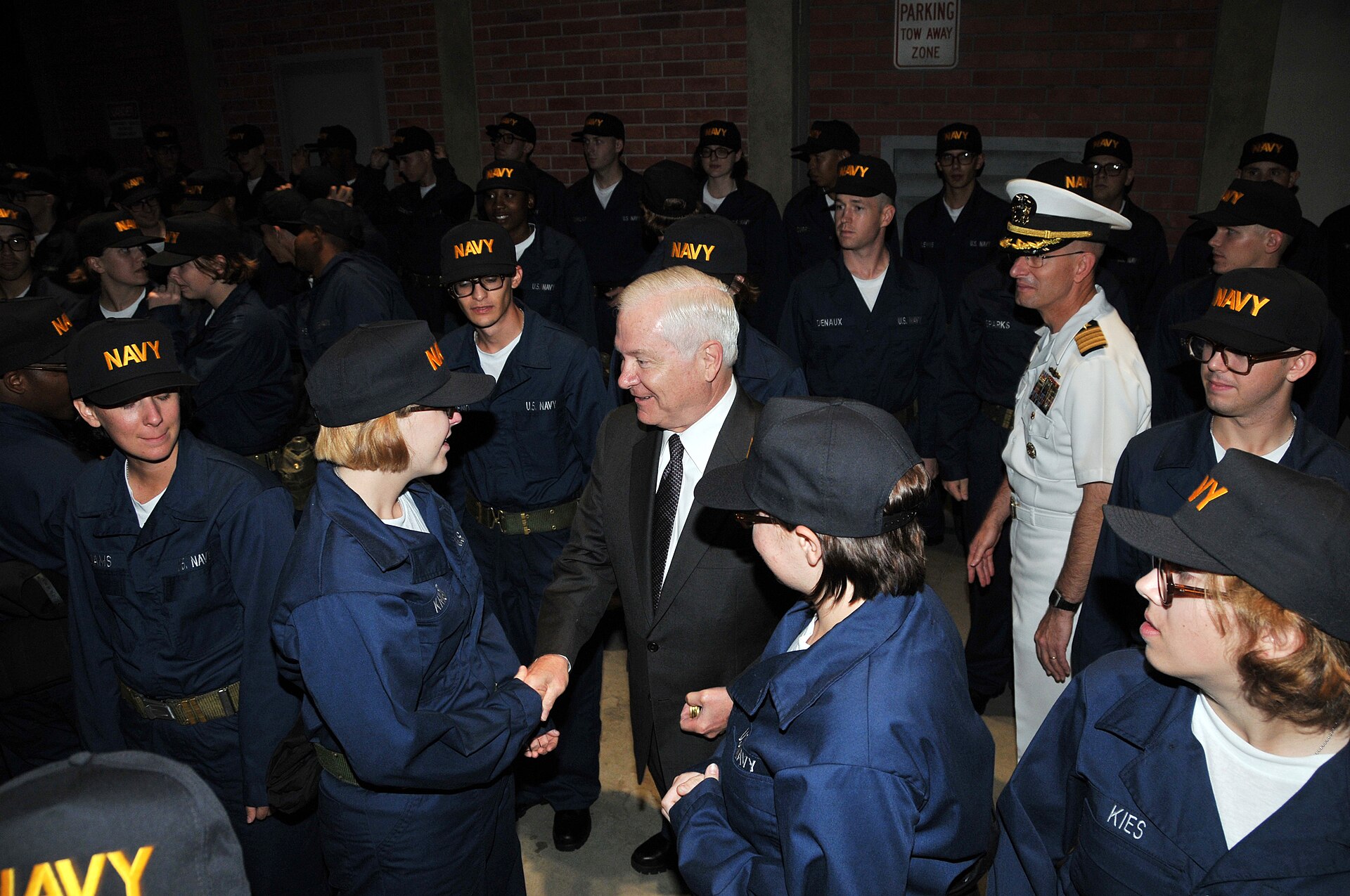
Naval Station Great Lakes: America’s Only Navy Boot Camp
Location and History
Naval Station Great Lakes sits on the western shore of Lake Michigan in Lake County, Illinois, approximately 35 miles north of Chicago. Established in 1911, it is the oldest active naval installation in the Great Lakes region and home to Recruit Training Command (RTC) — the Navy’s only boot camp.
Documented Asbestos Records — Publicly Filed Litigation
Publicly filed asbestos litigation records provide specific testimony and documented exposure records tied to Naval Station Great Lakes.
A separate deponent’s testimony addresses the barracks environment directly: “Did you stay in the barracks” at Great Lakes, establishing that recruits lived in the installation’s asbestos-era housing during their recruit training cycle.
Barracks maintenance personnel: Publicly filed records document personnel who “took care of the barracks” at Great Lakes — civilian maintenance and janitorial workers who worked in and around deteriorating asbestos-containing flooring, ceiling tile, and pipe insulation throughout the recruit barracks, generating daily bystander exposure during routine maintenance activities.
Machinist’s Mate School: Publicly filed records specifically reference the Machinist Mate School at Great Lakes Naval Training Center — one of the Navy’s primary rating schools operated at the installation. MM School students working with training equipment, boilers, and machinery in training facilities built to the same asbestos-containing construction standards as the barracks were exposed to asbestos-containing insulation during their technical training at Great Lakes.
1944-era construction: Publicly filed records document the 1944 date range for Great Lakes construction activities — establishing the wartime expansion period as the primary ACM installation era, consistent with wartime federal specifications requiring asbestos insulation in all boiler and steam distribution systems.
Boot camp as the common exposure thread: Great Lakes Naval Training Center is documented in the publicly filed corpus as the entry point for the majority of enlisted Navy careers that began in the 1940s through the 1970s. For veterans who do not recall specific asbestos work activities aboard ship or at a later duty station, the Great Lakes boot camp barracks and any rating school training at the installation may constitute the documented asbestos exposure origin.
The base processed millions of recruits through:
- World War I
- World War II
- The Korean War
- The Vietnam War
- Cold War operations
- Modern era deployments
Wartime Construction and ACM Use
At wartime peaks, the base reportedly trained tens of thousands of recruits simultaneously. That growth drove rapid construction across roughly 1,600 acres. The barracks, training halls, support facilities, and utility systems built from World War II through the 1970s allegedly incorporated asbestos-containing materials (ACMs) under federal military construction specifications then in effect.
Why the Military Built With Asbestos
Federal Construction Standards, 1900s–1970s
From the early 1900s through the mid-1970s, military planners specified asbestos for fire resistance, thermal insulation, and durability. Federal construction standards in force through at least 1978 permitted — and in many cases required — asbestos insulation in boilers, steam piping, and heating systems. Training bases like Great Lakes, built rapidly under wartime pressure, carry a concentrated legacy of ACM-laden infrastructure that the Navy and Department of Defense allegedly incorporated into virtually every category of military construction during this period.
ACM Products and Manufacturers Documented at Naval Bases
Public records, EPA NESHAP demolition notifications, and military construction documentation identify ACM products from Johns-Manville, Owens-Corning (formerly Owens-Illinois), Armstrong World Industries, W.R. Grace, Georgia-Pacific, Crane Co., Combustion Engineering, Celotex, and Eagle-Picher:
- Pipe insulation and lagging — Kaylo and Thermobestos (Johns-Manville) chrysotile and amosite asbestos on steam lines and boiler systems
- Boiler block insulation — Monokote (W.R. Grace), Unibestos (Johns-Manville), and Cranite (Crane Co.) high-concentration asbestos fireproofing
- Spray-on fireproofing — Aircell (Owens-Corning) and Superex (W.R. Grace) applied to structural steel in administrative buildings, barracks, and hangars
- Floor tiles (vinyl asbestos tile/VAT) — Gold Bond (National Gypsum) and Pabco tiles in barracks, corridors, and administrative spaces
- Ceiling tiles and suspended ceiling materials — Armstrong World Industries asbestos-fiber ceiling systems
- Roofing materials — Asbestos-additive roofing products from multiple manufacturers
- Transite board and cement panels — Johns-Manville transite cement board in mechanical chases and utility areas
- Joint compounds, adhesives, and sealants — Sheetrock joint compounds (USG/National Gypsum) and Grace adhesives containing asbestos
Facilities With Documented ACM Presence at Naval Station Great Lakes
Recruit Barracks and Training Infrastructure
The oldest barracks — many built during World War II or earlier — reportedly contained:
- Asbestos pipe insulation on water and steam lines, likely Johns-Manville or Crane Co. products
- Vinyl asbestos floor tiles throughout corridors and living quarters, potentially Gold Bond or Pabco materials
- Asbestos ceiling and acoustic tiles, possibly Armstrong World Industries products
- Deteriorating asbestos lagging in mechanical rooms from Kaylo or Thermobestos product lines
Thousands of recruits cycling through RTC annually lived in these buildings, many of which showed visible ACM deterioration.
Boiler Plants and Underground Steam Distribution
Great Lakes operated extensive steam heating infrastructure serving dozens of buildings across the installation. Documented facilities include:
- Central boiler plants with boiler block insulation containing high concentrations of chrysotile and amosite asbestos, reportedly using Monokote, Unibestos, or Cranite products
- Underground steam tunnels carrying superheated steam pipes wrapped in deteriorating asbestos lagging, using Kaylo or Thermobestos insulation documented in EPA NESHAP abatement records
- Above-ground steam lines in mechanical rooms and basements insulated with Johns-Manville or comparable pipe insulation products
These confined spaces reportedly created hazardous conditions for maintenance workers, plumbers, and boilermakers — including members of Heat and Frost Insulators Local 1 assigned to base maintenance projects.
Hangars and Aircraft Support Facilities
Spray-on fireproofing and structural insulation in these structures allegedly contained Aircell (Owens-Corning) or Superex (W.R. Grace) ACM products consistent with military construction standards of the period.
Administrative, Medical, and Support Buildings
Older structures reportedly used Armstrong World Industries asbestos ceiling tiles, Sheetrock floor adhesives, and Johns-Manville transite board in mechanical chases and utility areas.
Base Housing and Family Quarters
Family housing units built before the mid-1970s reportedly contained Kaylo or Thermobestos asbestos insulation, Gold Bond or Pabco floor tiles, and roofing materials with asbestos additives — meaning dependent family members may also have been exposed through contaminated clothing and shared living spaces.
Who Was Exposed at Naval Station Great Lakes
Recruit Populations
Navy recruits cycling through RTC barracks lived in World War II–era and Korean War–era buildings with friable asbestos insulation and damaged Armstrong World Industries and Pabco floor and ceiling materials. Exposure occurred during sleeping, training, and daily base activities — without any warning and without respiratory protection.
Permanent Party Naval Personnel and Officers
Personnel assigned for extended tours — often multiple years — lived and worked continuously in the same ACM-laden facilities as recruits. Officers, enlisted personnel, and naval medical staff were all potentially exposed during routine base operations to Kaylo, Thermobestos, Monokote, and other Johns-Manville and W.R. Grace products. Duration of exposure compounds risk; permanent party personnel carried that risk for years.
Civilian DoD Employees and Federal Contractors
Maintenance workers and trades personnel employed by the Navy or by private contractors on base reportedly disturbed ACMs during:
- Pipe repair and replacement involving Johns-Manville or Crane Co. insulation
- HVAC maintenance on systems insulated with Unibestos or Cranite products
- Boiler system servicing using Monokote or comparable fireproofing
- Floor and ceiling renovation removing Gold Bond, Pabco, and Armstrong World Industries materials
- Electrical installation involving Sheetrock joint compounds and transite board
- Steam line repairs to Kaylo and Thermobestos insulation
These workers frequently lacked required respiratory protection for asbestos-disturbing work. Members of Plumbers and Pipefitters UA Local 562 and Heat and Frost Insulators Local 1, along with affiliated trade unions performing maintenance at Great Lakes, faced the highest sustained occupational exposures on the installation.
Renovation and Demolition Crews
Workers tearing out aging infrastructure during base modernization in the 1980s and 1990s allegedly faced concentrated asbestos fiber release without adequate protection, containment, or air monitoring. Removing Armstrong World Industries ceiling systems, Johns-Manville transite board, Kaylo pipe insulation, and W.R. Grace spray-on fireproofing generated substantial airborne asbestos fiber counts in enclosed work spaces.
Peak Exposure Periods at Naval Station Great Lakes
World War II Expansion (1941–1945)
The base added dozens of barracks, training facilities, support buildings, and utility infrastructure — nearly all built with Johns-Manville, Owens-Corning, Crane Co., and Armstrong World Industries ACM products under wartime federal specifications. Recruits and permanent party personnel lived and worked in these buildings continuously, with no knowledge of the hazard.
Korean War Era (1950–1953)
Additional construction reportedly reinforced ACM presence across the installation. Monokote spray-on fireproofing and upgraded Kaylo-based insulation systems were installed in response to increased training demand.
Vietnam War Operations (1965–1975)
High recruit throughput kept aging, deteriorating buildings in constant use. ACMs installed 20–30 years earlier — including Johns-Manville and W.R. Grace products — were friable and actively shedding fibers. Occupant exposure in barracks and training facilities allegedly increased substantially as insulation degraded and maintenance disturbed encapsulated materials.
Renovation and Modernization (1980s–2000s)
Infrastructure replacement projects disturbed decades-old Johns-Manville, Owens-Corning, W.R. Grace, Armstrong World Industries, and Crane Co. ACM products. EPA NESHAP regulations require asbestos notification before demolishing structures built during the asbestos-use era. Public records reflect ongoing remediation at Great Lakes during this period. Workers removing Kaylo pipe insulation, Monokote spray-on products, Unibestos boiler insulation, and transite board reportedly faced uncontrolled asbestos release without adequate engineering controls.
Asbestos-Related Diseases: Latency and Diagnosis
Disease Latency
Asbestos-related diseases develop 20 to 50 years after initial exposure:
- A sailor exposed at Great Lakes in 1965 may receive a diagnosis between 2015 and 2025.
- A civilian worker who disturbed pipe insulation in 1975 may develop mesothelioma between 2025 and 2035.
- Veterans and workers who served at Great Lakes in the 1950s, 1960s, and 1970s are receiving diagnoses now.
New diagnoses among Great Lakes veterans and workers will continue for years.
Mesothelioma
Mesothelioma is an aggressive cancer of the pleural lining of the lungs or the peritoneal lining of the abdomen. Asbestos exposure is the only known cause. It develops 20–50 years after exposure, is rarely diagnosed before late stage, and carries a serious prognosis. Early legal action — filed while the veteran is living — maximizes both VA benefits and civil recovery.
Legal Recourse for Veterans and Civilian Workers
VA Benefits and Service Connection
VA evaluates asbestos claims individually. Veterans generally need evidence of in-service asbestos exposure, a current diagnosis, and a medical nexus between them.
A mesothelioma VA claim typically results in approval and compensation within 6–18 months. Approved veterans receive:
- **Monthly VA disability compensationvaried by casedepending on disability rating
- Dependency and Indemnity Compensation (DIC) — potentially exceeding an amount that varies by casefor surviving spouses
For informational purposes only. Not legal advice. No attorney-client relationship is created by reading this page. © 2026 Rights Watch Media Group LLC — Disclaimer · Privacy · Terms · Copyright