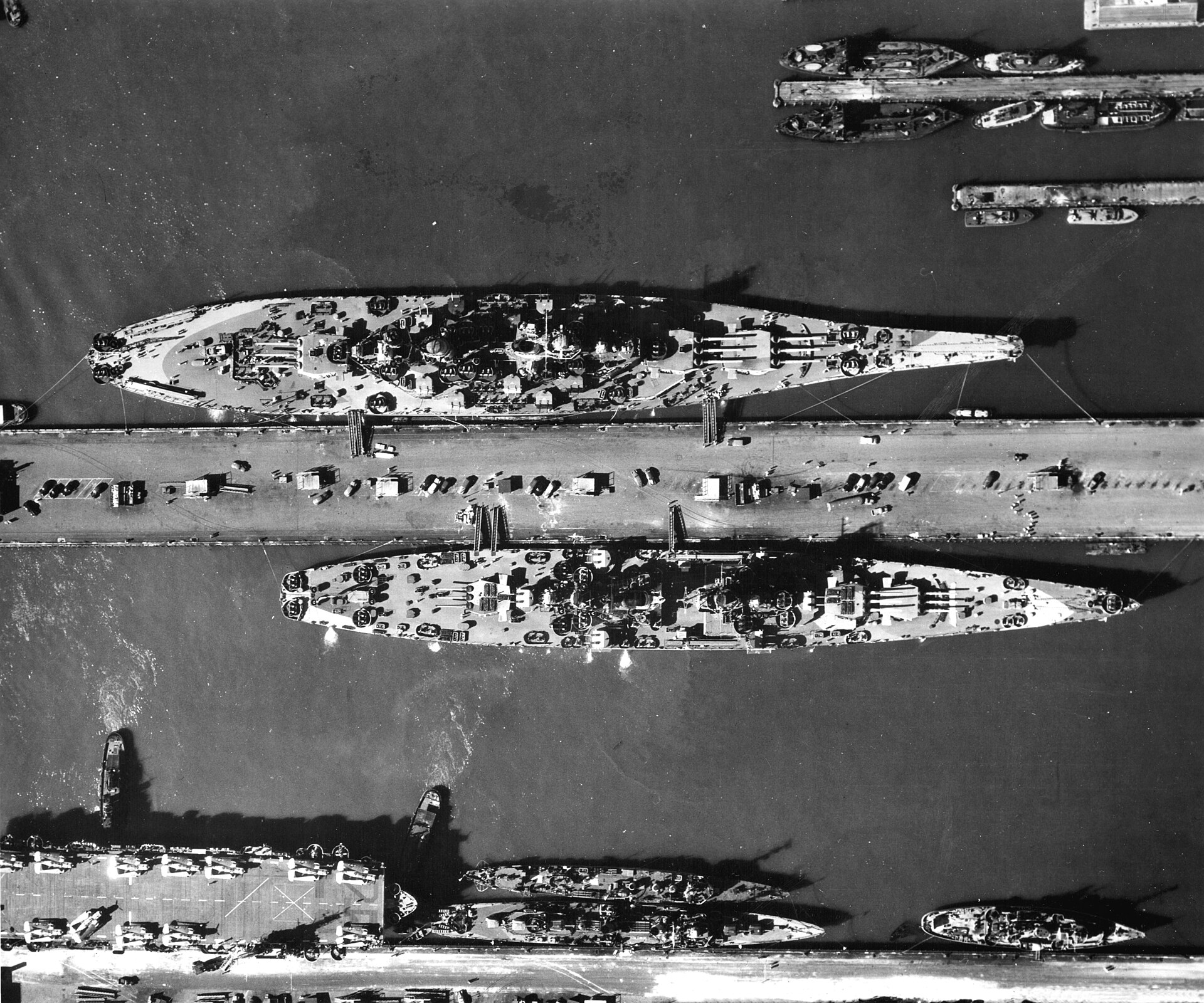
If you served at Naval Station Norfolk and you’ve just been diagnosed with mesothelioma, asbestosis, or asbestos-related lung cancer, you are not starting from zero. Thousands of sailors, Marines, and civilian workers were allegedly exposed to asbestos-containing materials throughout this installation for decades—in barracks, boiler plants, steam tunnels, hangars, and ship repair facilities. Veterans can pursue VA disability benefits with no deadline and no burden to prove causation under VA asbestos-claim guidance. You can also file a civil lawsuit and trust fund claims simultaneously—these paths are not mutually exclusive. Federal maritime law gives you three years from diagnosis under 46 U.S.C. § 30106. That clock is already running.
Naval Station Norfolk: History, Scale, and Asbestos Legacy
The Installation and Its Role
Naval Station Norfolk was established in 1917 on the former Jamestown Exposition site along the Elizabeth River and has served as the U.S. Navy’s primary Atlantic Fleet hub for over a century. The installation grew across multiple construction waves, each introducing massive quantities of asbestos-containing materials into permanent infrastructure:
- World War II expansion (1941–1945): Hundreds of new structures reportedly built using Johns-Manville Kaylo thermal insulation and transite board during accelerated wartime construction
- Korean War period (1950–1953): New barracks, hangars, and administrative facilities constructed with Armstrong World Industries ceiling tiles and Garlock Sealing Technologies gasket materials
- Cold War decades (1960–1979): Aging infrastructure maintained with no systematic ACM removal, creating ongoing exposure well into the 1990s
- Current footprint: Over 3,400 acres hosting 75+ tenant commands, with legacy asbestos insulation reportedly remaining in critical infrastructure
The base historically supported nuclear and conventionally powered surface ships, submarine operations, naval aviation squadrons, major ship repair facilities including drydocks and pierside workshops, and tens of thousands of active-duty personnel and civilian DoD employees.
Why Naval Station Norfolk Presents Elevated Asbestos Risk
Scale and operational tempo drove exposure intensity here. Active-duty sailors rotated through barracks housing hundreds at a time, sleeping beneath deteriorating ceiling tiles and walking daily on vinyl asbestos floor tiles. Boiler plant operators worked in confined spaces with failing insulation on high-temperature systems. Ship repair workers in drydocks handled ACMs from both vessel systems and shore facilities simultaneously. Civilian maintenance crews spent careers in steam tunnels as insulation aged around them. The combination of continuous operations, aging infrastructure, and massive personnel throughput created sustained, systemic exposure across the entire installation.
ACM Use in Federal Military Construction: Documented Policy
Why the Department of Defense Mandated Asbestos Products
DoD and GSA construction specifications reportedly mandated or strongly favored ACMs from the 1930s through the mid-1970s. Manufacturers supplying those materials—Johns-Manville, Owens-Corning, Eagle-Picher, Celotex, Armstrong World Industries, Crane Co., and Combustion Engineering—dominated federal procurement based on documented performance and cost criteria:
- Thermal protection: Thermobestos pipe wrap, Kaylo rigid block insulation, and Cranite boiler block were specified for heat resistance in steam systems and boiler plants
- Fireproofing compliance: Monokote spray-applied fireproofing and Aircell rigid insulation met military building codes for structural steel protection
- Industrial durability: Superex flexible insulation and Unibestos asbestos-cement products resisted harsh maritime environments
- Cost efficiency: ACM products were substantially cheaper than non-asbestos alternatives, a decisive factor in postwar federal procurement
Those specifications placed Cranite boiler block, Armstrong Gold Bond components, Sheetrock joint compounds, and Pabco roofing materials into virtually every facility category built during the mid-20th century. Federal agencies began restricting ACM use only in the mid-1970s—but documented quantities of legacy asbestos remained in place for decades afterward, generating exposure during renovation and demolition well into the 1990s and beyond, as recorded in EPA NESHAP notifications and public facility records.
Documented ACM-Containing Facilities at Naval Station Norfolk
EPA NESHAP notifications, GSA demolition documents, public facility records, and litigation involving Naval Station Norfolk have identified the following facility categories where asbestos was reportedly present in significant quantities.
Barracks and Enlisted Housing Facilities
Barracks built during World War II and postwar expansion reportedly contained multiple ACM products in high-contact areas:
- Spray-on asbestos fireproofing (Monokote per documented NESHAP abatement records) applied to structural beams and deck supports in multi-story enlisted berthing
- Vinyl asbestos floor tiles (VAT) manufactured by Armstrong World Industries, Georgia-Pacific, and Pabco in corridors, heads, and common areas
- Asbestos-containing ceiling tiles (Gold Bond per documented facility demolition records) in berthing compartments and corridors—materials that shed fibers as they aged
- Pipe insulation on hot-water and steam supply lines (Johns-Manville Kaylo and Thermobestos wrap) visible in berthing spaces and washroom areas
- Roofing materials with asbestos binders (Pabco asbestos-containing shingles and flashing) on barracks roofs
Sailors who lived in these barracks for months or years faced chronic low-level exposure from deteriorating ceiling tiles, floor tiles, and pipe insulation—the kind of cumulative exposure that decades later manifests as mesothelioma.
Boiler Plants and Central Heating Infrastructure
The base’s central heating system required extensive thermal protection on large steam boilers. Materials reportedly came from Combustion Engineering, Crane Co., Johns-Manville, and W.R. Grace:
- Block insulation on boiler casings and combustion chambers (Cranite rigid board and Johns-Manville Kaylo block) protecting high-temperature surfaces
- Pipe lagging on steam distribution lines (Thermobestos and Superex wrapping materials) throughout heating plants
- Gaskets and sealing materials (Garlock Sealing Technologies asbestos-reinforced gaskets per published industry sourcing records) requiring regular replacement
- Refractory materials with asbestos binders lining boiler interiors, generating airborne fibers during cleaning and maintenance
Boiler Technicians, Water Tenders, and Enginemen in these spaces faced some of the highest documented exposure levels on the installation. Deteriorating insulation in high-heat environments shed fibers continuously—a condition documented in EPA NESHAP records and public litigation.
Steam Tunnels and Underground Infrastructure
Underground steam distribution tunnels connecting base buildings—reportedly stretching miles across the 3,400-acre installation—contained documented ACM in confined, poorly ventilated spaces:
- Asbestos-wrapped pipe insulation (Johns-Manville Kaylo wrap, Thermobestos, and Superex asbestos textile insulation) on primary and secondary distribution lines
- Asbestos cement pipe sections (Unibestos transite pipe per documented public facility records) throughout steam distribution networks
- Flexible asbestos insulation on valves and joints (Eagle-Picher products per documented industry sourcing records) where maintenance was performed regularly
- Asbestos-containing gaskets and packing (Garlock products documented in naval engineering specifications) in valve assemblies throughout the system
Pipefitters and plumbers reportedly cut, wrapped, and replaced these insulation systems without respiratory protection, generating visible asbestos dust in enclosed spaces. Maintenance personnel who spent careers in these tunnels face elevated mesothelioma risk documented in occupational health literature. Confined spaces with poor ventilation concentrated airborne fibers as insulation deteriorated—conditions that maximized fiber inhalation with every shift worked underground.
Hangars, Workshops, and Ship Repair Facilities
Aircraft hangars, pipe shops, machine shops, and drydock facilities reportedly used multiple ACM categories:
- Transite board (asbestos-cement panels manufactured by Johns-Manville and Unibestos) for walls, partitions, and roofing—cut and drilled during installation and repair
- Asbestos gaskets and packing (Garlock products documented in ship repair procurement records) throughout equipment and machinery
- Spray-on fireproofing on structural steel (Monokote and Aircell systems) applied throughout hangars and workshops
- Pipe insulation used in both shore facilities and aboard naval vessels undergoing repair (Kaylo, Thermobestos, and Eagle-Picher flexible insulation)
- Factory-applied asbestos insulation on ship propulsion boilers and auxiliary systems (Combustion Engineering and Crane Co. equipment)
Ship repair activities in drydocks and waterfront workshops allegedly disturbed ACMs during cutting, grinding, and disassembly. Boilermakers and insulators performing removal and replacement of asbestos insulation systems generated heavy airborne fiber concentrations. Workers in these facilities faced dual exposure—from ship systems and from decades-old shore-based infrastructure simultaneously.
Base Housing and Family Quarters
Family housing units built on and near the installation during the postwar period reportedly contained widespread ACM:
- Vinyl asbestos floor tiles and sheet goods (Armstrong World Industries, Georgia-Pacific, and Pabco products) in kitchens, bathrooms, and living areas
- Pipe insulation on hot-water and steam lines (Kaylo wrap and Thermobestos) visible under sinks and in utility spaces
- Asbestos-containing roofing materials and flashings (Pabco asbestos shingles and W.R. Grace roofing components)
- Textured wall finishes and joint compound (Armstrong World Industries drywall compounds) in walls and ceilings
- Asbestos-containing caulking and weatherstripping in windows and door frames
Dependents living in family housing were allegedly exposed through deteriorating building materials. Family members reportedly faced secondary exposure through contaminated work clothing brought home by service members from boiler plants, steam tunnels, and ship repair facilities—a documented transmission pathway in military asbestos cases.
Who Faced Asbestos Exposure at Naval Station Norfolk
Active-Duty Sailors and Marines
Exposure occurred through multiple daily and occupational pathways:
- Daily living in barracks with deteriorating ACMs: ceiling tiles, floor tiles, pipe insulation, and spray-on fireproofing
- Maintenance duties on asbestos-containing systems: steam tunnels, boiler plants, HVAC systems, and building infrastructure
- Engineering ratings working in boiler plants: Boiler Technician (BT), Water Tender (WT), Engineman (EN), and Auxiliaryman (AX) with direct contact with Cranite block insulation, Kaylo thermal protection, and Garlock sealing materials
- Ship repair work in drydocks and pierside facilities involving removal and installation of pipe insulation, gaskets, and boiler components containing legacy ACMs
- Duty in administrative buildings and technical facilities with deteriorating spray-on fireproofing and ceiling tiles
Civilian Workers on DoD Contracts
Civilian trades workers employed at Naval Station Norfolk through DoD contracts and base support contracts reportedly faced intense and prolonged ACM exposure:
- Pipefitters and plumbers maintaining steam tunnel insulation, replacing lagging on distribution lines, and servicing valve packing—trades with some of the heaviest documented asbestos contact in base facility records
- Boilermakers servicing and repairing boiler systems, removing and replacing block insulation and gasket materials, performing maintenance in confined boiler plant spaces
- Electricians working in spaces with spray-on fireproofing, above asbestos ceiling tiles, and alongside pipe insulation on conduit and junction box installations
- HVAC and refrigeration mechanics maintaining climate control systems in facilities with ACM ductwork insulation and ceiling tile systems
- General maintenance and facilities management workers performing routine repairs on aging base infrastructure across all facility types
Civilian workers injured by asbestos exposure at Naval Station Norfolk may have claims under the Longshore and Harbor Workers’ Compensation Act (LHWCA), 33 U.S.C. § 901, or other applicable federal workers’ compensation frameworks, in addition to civil claims against asbestos product manufacturers.
Asbestos-Related Diseases: Latency, Diagnosis, and What to Expect
How
For informational purposes only. Not legal advice. No attorney-client relationship is created by reading this page. © 2026 Rights Watch Media Group LLC — Disclaimer · Privacy · Terms · Copyright