Log every ship, shipyard, or base where you served — build a personal asbestos-exposure record for VA claims and civil litigation.
Your MusterLog is empty.
Use the gold button on any ship, shipyard, or base page to log a duty station.
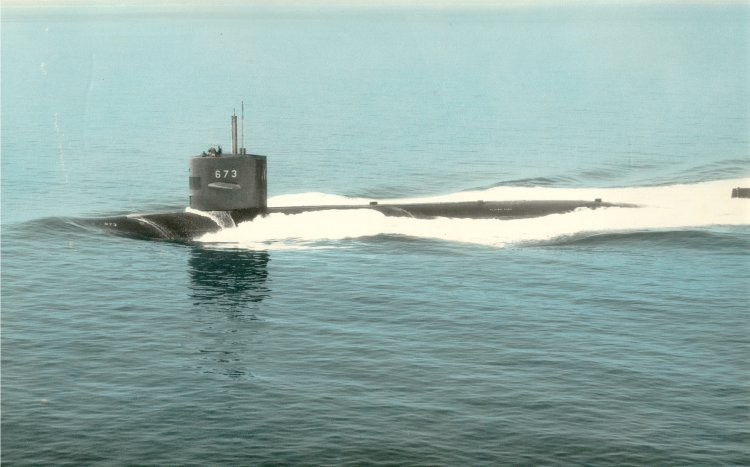
USS Flying Fish (SSN-673) at sea 1972Source: Wikimedia Commons — public domain (U.S. Navy photograph)
Service History
From the public Wikipedia / DANFS service-history record — source ›
USS Flying Fish (SSN-673), a Sturgeon-class attack submarine, was commissioned on 29 April 1970 and served in the U.S. Atlantic Fleet for 26 years. The vessel conducted numerous Mediterranean deployments, Arctic operations including a surfacing at the North Pole in 1977, and special operations in the northern Atlantic, earning multiple Navy Expeditionary Medals and a Battle Efficiency Award. Decommissioned on 16 May 1996, Flying Fish was recycled at Puget Sound Naval Shipyard, having steamed approximately 600,000 miles under nine commanding officers.
Construction & Service Dates
Builder
Electric Boat Division of General Dynamics Corporation, Groton, Connecticut
Laid down
1967-06-30
Launched
1969-05-17
Commissioned
1970-04-29
Decommissioned
1996-05-16
Notable Tours / Service Eras
Cold War Atlantic Fleet Operations 1970-1995
Mediterranean deployments 1980-1994
Northern Atlantic special operations 1979-1981
Home Ports & Forward Bases
Norfolk VA — home port 1970-1995
Athens, Greece — 1980
Naples, Italy — 1980
La Spezia, Italy — 1980, 1984
Ashdod, Israel — 1980, 1984
Port Everglades, Florida — 1983
New London, Connecticut — 1985
Drydock & Overhaul Periods
High Asbestos-Exposure Window
Asbestos rip-out, insulation replacement, and gasket-packing work occurred during these yard periods. Sailors aboard during overhauls had peak exposure to airborne asbestos fiber.
Notable Incidents
13 July 1993 — Greenpeace activists attempted to board submarine as nuclear power protest; 12 climbed aboard but were repelled by crew
Final Disposition
Scrapped via Nuclear-Powered Ship and Submarine Recycling Program at Puget Sound Naval Shipyard, completed 15 October 1996
Veterans' Firsthand Accounts
Were you aboard Flying Fish SSN-673? Add your account.
No one knows this ship like the crew who ran her. If you served aboard, tell us what you remember — the spaces, the equipment, where the dust and lagging were, what the work was really like. Every firsthand account helps another Flying Fish SSN-673 veteran or family understand where they may have been exposed, and where to find help.
About these accounts: they are personal recollections shared by veterans and their families — individual memory and experience, not archival records, and not independently verified. The ship's documented history, equipment manifest, and exposure record on this page are drawn from NARA, BUSHIPS, DANFS, and VA sources. These accounts sit alongside that documented record — they add to it, they don't change it.
Trying to reach someone who served aboard Flying Fish SSN-673?
We never give out a veteran’s name, address, phone or email — not to anyone, and that includes other veterans. What we can do is carry your message to him and let him decide. Someone here reads every request; you will hear back from a person either way.
Read the video transcript
Did you serve aboard the USS Flying Fish? This submarine carried asbestos in nearly every compartment. Here is where it was, and who is responsible. The USS Flying Fish, hull number SSN-673, was a submarine, built by Electric Boat Division of General Dynamics Corporation and commissioned in 1970. She served through Cold War Atlantic Fleet Operations, Mediterranean deployments, and Northern Atlantic special operations. Public naval references list this equipment aboard the USS Flying Fish, SSN-673 — insulated and sealed with asbestos. Each shipyard overhaul and major repair meant asbestos insulation was torn out and replaced — peak-exposure work for the yard workers and the crew aboard. Exposure was worst in the engineering spaces, where the snipes worked — but asbestos lined the whole ship, so all hands were exposed. The companies that made the asbestos equipment aboard — not the Navy — are who asbestos claims are brought against. According to asbestos litigation records, the equipment aboard the USS Flying Fish from makers such as Warren, Durco, Jamesbury, and Joy allegedly contained asbestos. If you served aboard the USS Flying Fish and were later diagnosed with mesothelioma, asbestosis, or another asbestos-related disease, you may have a legal claim against the companies that made the asbestos products used aboard your ship. This is educational information from an independent publisher — not a law firm — and is not legal advice.
USS Flying Fish (SSN-673) is a documented U.S. Navy nuclear-powered attack submarine with asbestos-exposure evidence in the public litigation record. The equipment manifest below was assembled from depositions, expert reports, and manufacturer interrogatory responses filed in U.S. asbestos litigation that reference equipment installed aboard this vessel.
Equipment Manifest
Equipment Manifest — USS Flying Fish (SSN-673). 6 machinery/equipment entries identified through ship-specific BUSHIPS documentation. Manufacturers in bold link to documented asbestos-product history on AsbestosIndex.com.
Equipment
Manufacturer
Qty
Notes
Air Compressor, Reciprocating
Joy
Installed aboard USS Flying Fish (SSN-673); decedent performed general maintenance work on Joy air compressors January 1972 to May 1975; removed and replaced asbestos-containing flange gaskets
Valves
Durco
Witness recalled seeing Durco valves aboard USS Flying Fish during approximately 2.5-3 years of service; used on steam plant side, not nuclear side of power plant
Valve
Durco
Located in steam plant aboard USS Flying Fish (SSN-673)
Decedent performed insulation, gasket and packing work on Warren pumps aboard USS Flying Fish
Valves
Jamesbury
High-temperature steam pipeline valves with asbestos-containing insulation and flange gaskets aboard USS Flying Fish (SSN-673), worked on by decedent January 1972 to May 1975
Note: this manifest is derived from public asbestos litigation records (depositions, expert reports, manufacturer interrogatories) rather than primary BUSHIPS construction documents. Entries reflect what has been documented or alleged in publicly filed legal records.
AsbestosIndex™Product & Manufacturer Reference
The asbestos-containing products documented on U.S. Navy vessels and at shipyards are catalogued by manufacturer on AsbestosIndex. These records cross-reference which companies supplied which materials and to which facilities.
Navy Ratings Most Exposed to Asbestos Aboard Flying Fish
The U.S. Department of Veterans Affairs and the public asbestos litigation record document that the following Navy ratings worked routinely in spaces where ACM was installed, maintained, ripped out, and replaced:
Fireman (FN) — engineering-plant tending across boiler and engine rooms
VA Disability Claims for Asbestos-Related Disease
The U.S. Department of Veterans Affairs evaluates asbestos claims individually. A veteran generally needs medical evidence of a current asbestos-related disease, service evidence supporting in-service asbestos exposure, and a medical opinion connecting the two. Ship assignments, Navy ratings, and equipment records can help document the exposure history but do not create automatic service connection.
Approved claims may provide monthly disability compensation and related benefits. Survivors may separately qualify for Dependency & Indemnity Compensation when the applicable requirements are met. Civil lawsuits and asbestos-trust claims use different standards; claimants should obtain individualized advice about how the processes interact.
How to file a VA disability claim: VA claims are filed directly with the U.S. Department of Veterans Affairs — not with a law firm. Start at VA.gov › Hazardous Materials Exposure, call 1‑800‑827‑1000, or get free help filing from a Veterans Service Organization: DAV, VFW, or American Legion.
Source notes: equipment-manifest entries (where shown) are sourced from public-record BUSHIPS (Bureau of Ships) documentation, NARA archives, and the public asbestos litigation record. Manufacturer attributions link to documented asbestos-product histories on AsbestosIndex.com where available. Nothing on this page constitutes medical or legal advice.
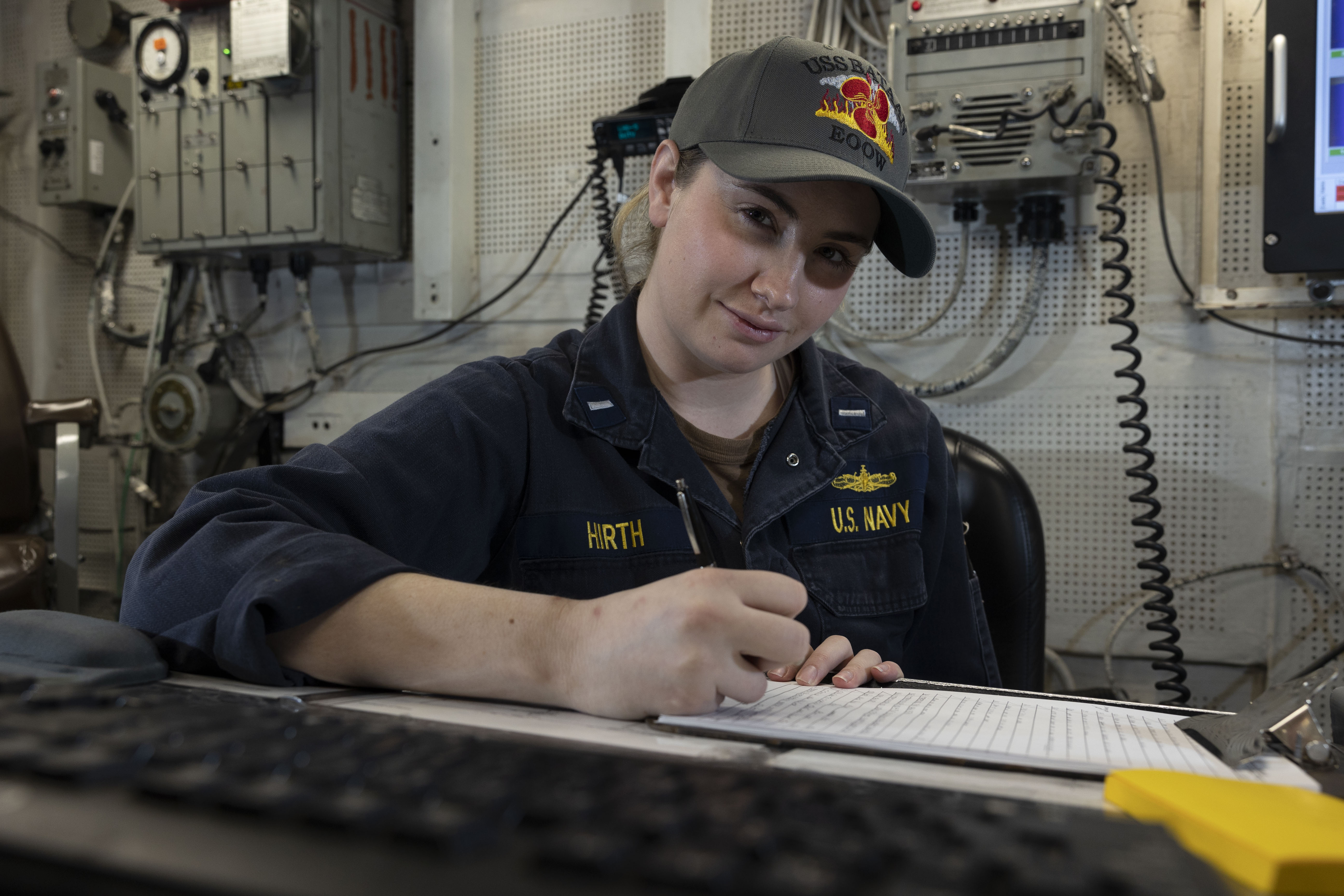
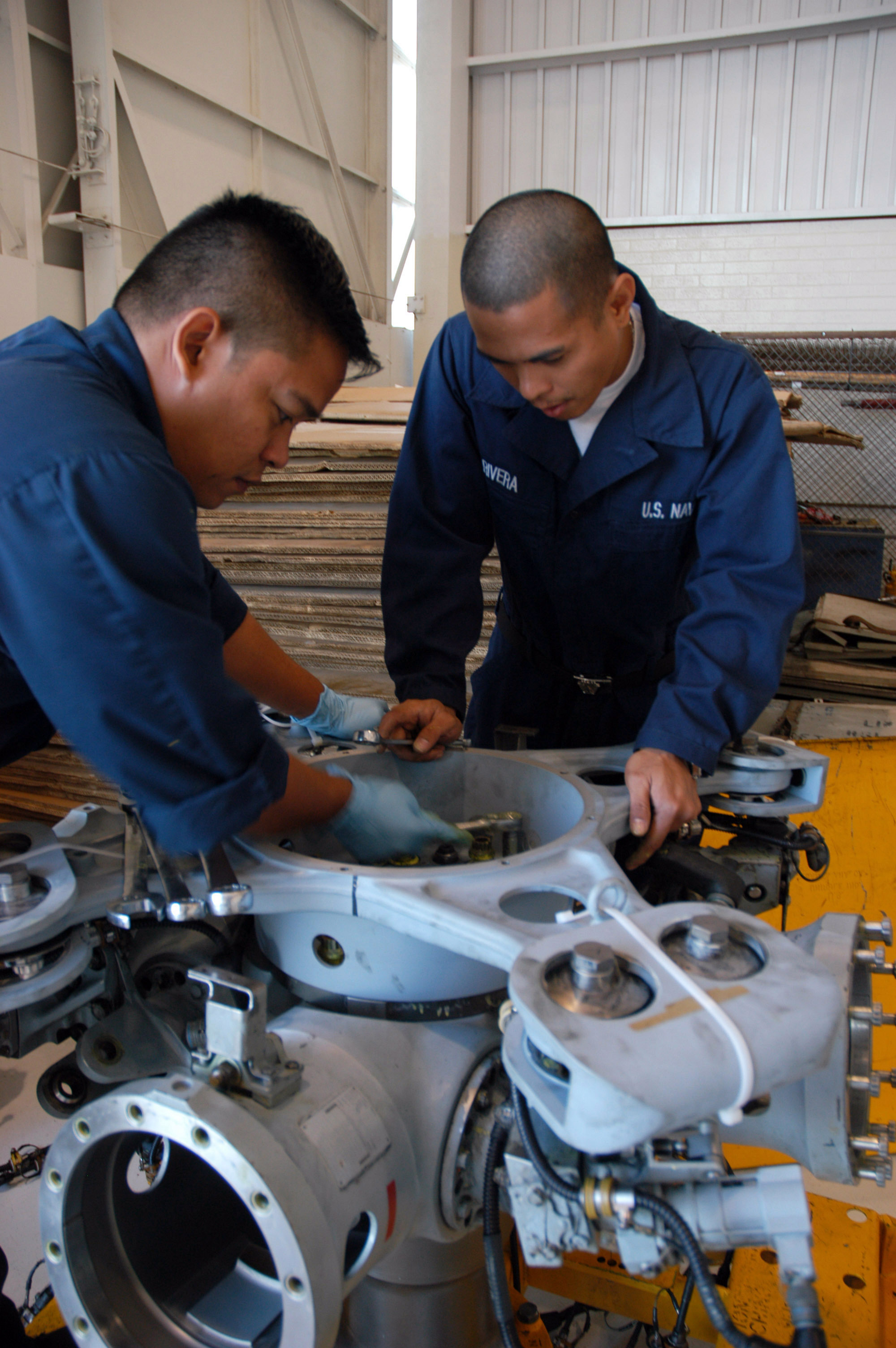
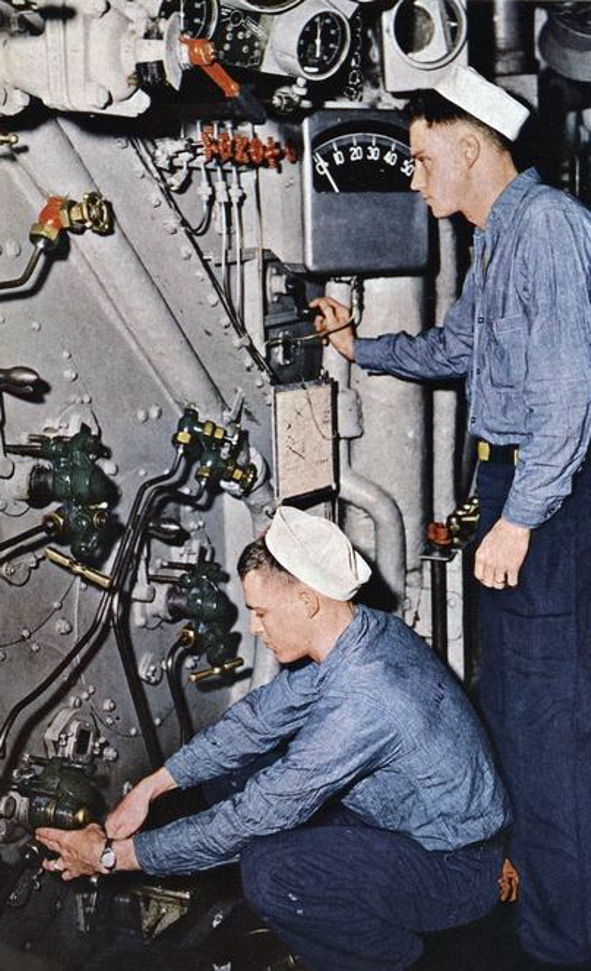
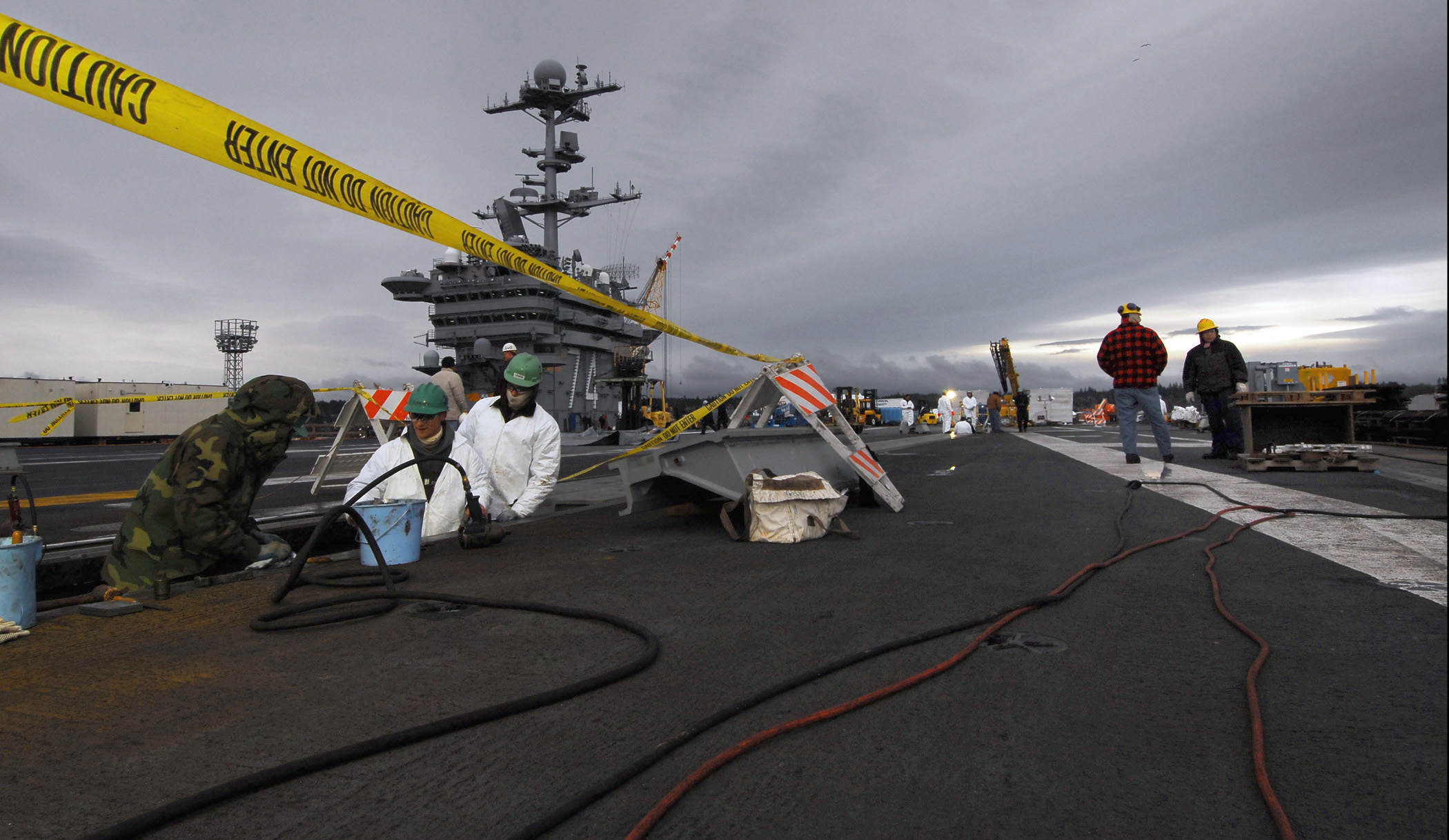
Documented Asbestos-Exposure Environments — U.S. Navy Service
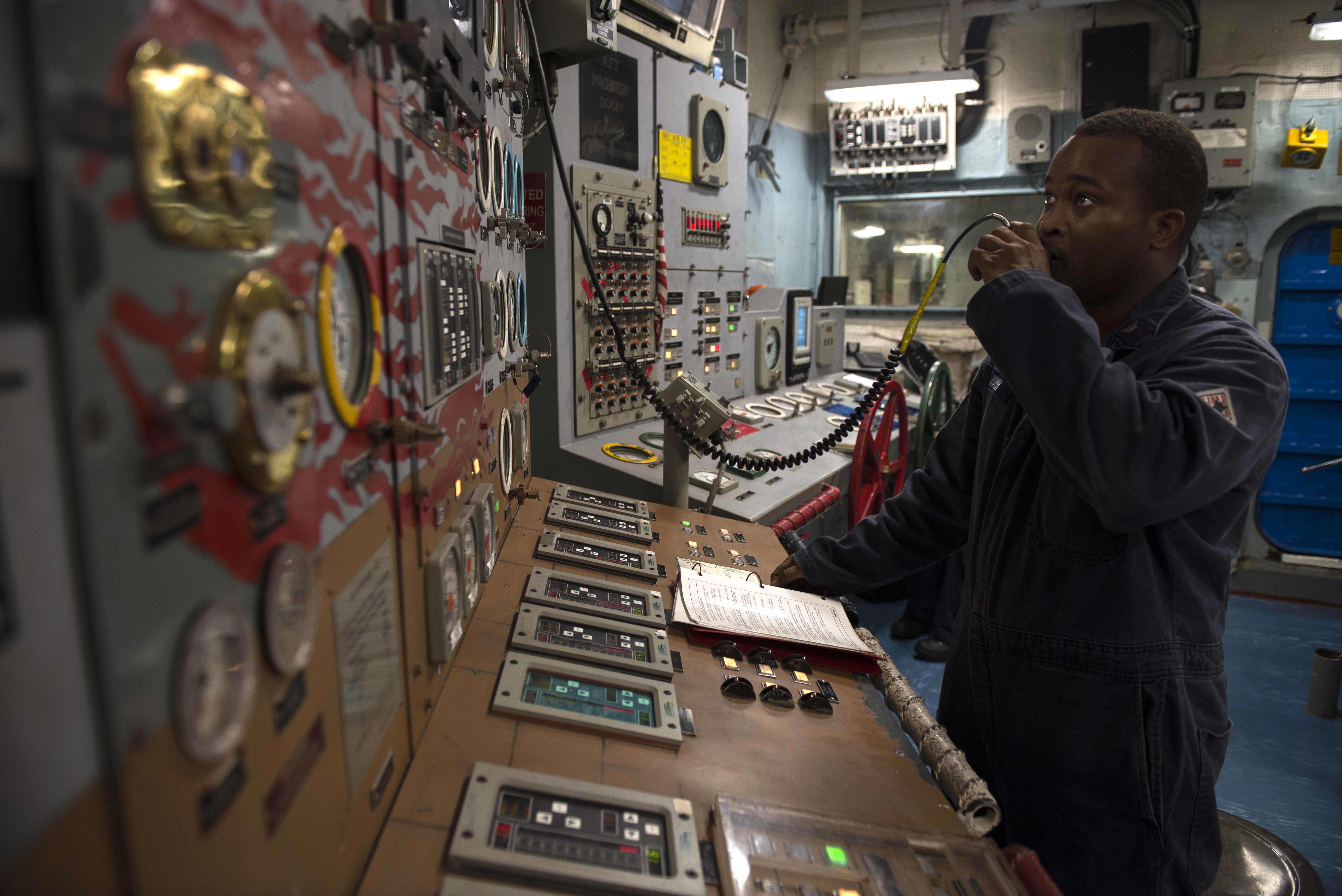
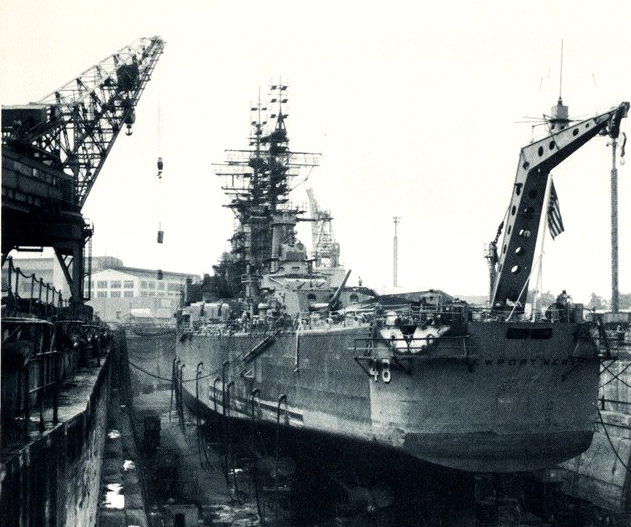
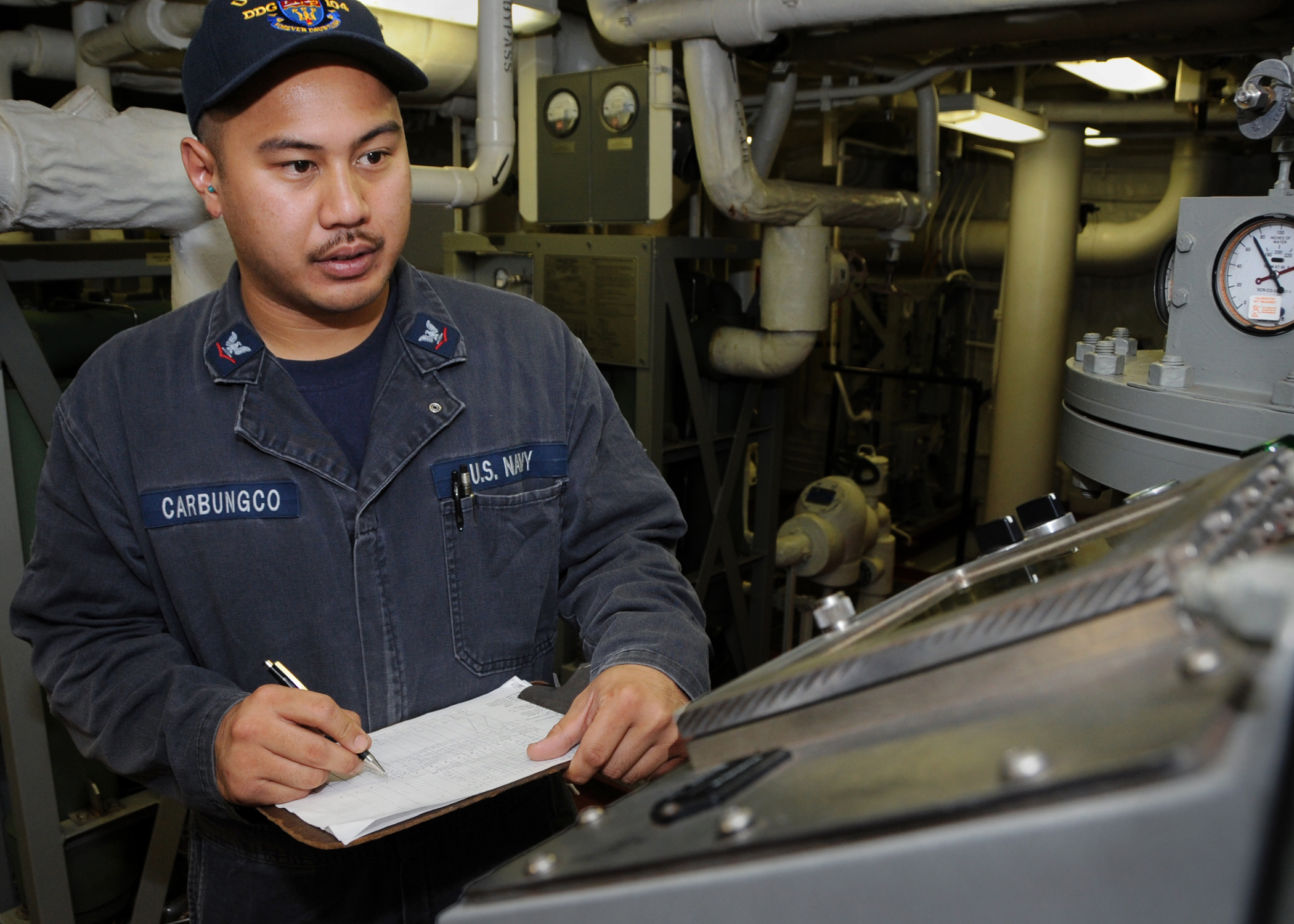
Public-domain U.S. Navy photographs illustrating the engineering spaces, ratings, and yard environments where asbestos materials were routinely encountered during normal duty.
All images are public domain (U.S. Government works). Specific photographs depict generic Navy engineering and yard environments — not the named vessel above. Asbestos materials shown or implied include pipe lagging, boiler insulation, steam-line covering, and gasket / packing materials standard on U.S. Navy vessels through the early 1980s.
Flying Fish SSN-673 — Frequently Asked Questions
Are Flying Fish SSN-673 veterans covered by Navy asbestos litigation records?
Yes. Flying Fish SSN-673 is documented in the public U.S. Navy asbestos litigation record. U.S. Navy vessels of her service era were built to BUSHIPS specifications that required asbestos insulation throughout engineering spaces, on steam lines, around boilers and turbines, and in gasket and packing materials.
Which shipboard components on Flying Fish SSN-673 contained asbestos?
Asbestos-containing materials documented aboard U.S. Navy vessels of Flying Fish SSN-673's era include: boiler insulation and lagging, steam-line pipe insulation, turbine and reduction-gear casings, valve packing, gaskets, brake and clutch friction materials, electrical wire insulation, overhead pipe coverings in berthing and mess spaces, and Navy-issue boiler cement and refractory in fireboxes.
What ratings were exposed to asbestos serving on Flying Fish SSN-673?
Navy ratings with the highest documented asbestos exposure include Machinist's Mate (MM), Boiler Technician (BT), Hull Maintenance Technician (HT), Engineman (EN), Electrician's Mate (EM), Interior Communications Electrician (IC), Damage Controlman (DC), and Pipefitter / Shipfitter. Officers in engineering departments also encountered asbestos in normal duty. Shipyard workers performing overhaul, repair, or refit work had concentrated exposure during yard periods.
What equipment manufacturers are documented on Flying Fish SSN-673?
Documented equipment manufacturers aboard Flying Fish SSN-673 include: Durco, Jamesbury, Joy, Warren. These manufacturers supplied boilers, turbines, pumps, valves, electrical equipment, and insulation systems through BUSHIPS contracts during the asbestos era.
Do Flying Fish SSN-673 veterans qualify for VA disability for mesothelioma?
Potentially. VA evaluates asbestos-related disability claims individually. Flying Fish SSN-673 veterans generally need medical records showing the current disease, service records supporting in-service asbestos exposure, and a doctor's statement connecting the two. Veterans may file at VA.gov, call 1-800-827-1000, or seek free help from an accredited Veterans Service Organization such as DAV, VFW, or the American Legion.
Disclaimer: The information in this article is for general educational purposes only and does not constitute medical or legal advice. No attorney-client relationship is created by reading this site. References to ships, shipyards, companies, products, and asbestos-containing materials are drawn from public VA records, NARA archives, EPA/OSHA databases, and public litigation records. All references reflect what has been documented or alleged in publicly filed records. Consult a licensed physician for medical guidance and a qualified attorney for legal advice regarding your specific situation.
Sponsored Legal Resource — Attorney Advertising
Connect With a Navy Asbestos & Mesothelioma Attorney
Navy veterans and civilian shipyard workers diagnosed with mesothelioma, asbestosis, or asbestos-related lung cancer may have grounds for a civil claim against the asbestos product manufacturers whose materials were installed aboard. O'Brien Law Firm, the editorial sponsor of this site, is the firm to which case-evaluation inquiries from this site are directed, at no upfront cost — the civil track is separate from any VA disability benefits you may be eligible for.
Living with a diagnosis?
If you were diagnosed with an asbestos-related disease, a filing deadline may already be running. You may have a legal claim now — and claims can often be pursued even if the company is out of business.
Lost a loved one to mesothelioma?
Surviving spouses and children may pursue a wrongful-death claim and asbestos-trust recovery on a loved one's behalf — a separate deadline that can run from the date of passing.
Free case evaluation — no obligation to hire
No attorney fee unless a financial recovery is made
Personal-injury and wrongful-death claims both evaluated
Civil claims against asbestos manufacturers & bankruptcy trust funds
Maritime statute of limitations: 3 years from diagnosis (46 U.S.C. § 30106)
Runs in parallel with VA benefits — civil recovery does not reduce VA disability compensation
Thank you. Your inquiry has been submitted. An attorney will be in touch shortly.
Attorney Advertising. This website is published by Rights Watch Media Group LLC, an independent media organization, and is not a law firm. Visiting this site or submitting this form does not create an attorney-client relationship. O'Brien Law Firm is a licensed MO law firm. Free consultations are offered at no obligation. Legal representation is provided on a contingency basis — there is no charge unless a financial recovery is made on your behalf. Individual results vary; past results do not guarantee future outcomes. Inquiries submitted to navyshipexposure.com are routed directly and exclusively to O'Brien Law Firm. Rights Watch Media Group LLC is an independent publisher and is not a lawyer referral service. We do not sell or share inquiries with other firms.
O'Brien Law FirmDiagnosed with mesothelioma after asbestos exposure aboard ship or in a shipyard?