Read the video transcript
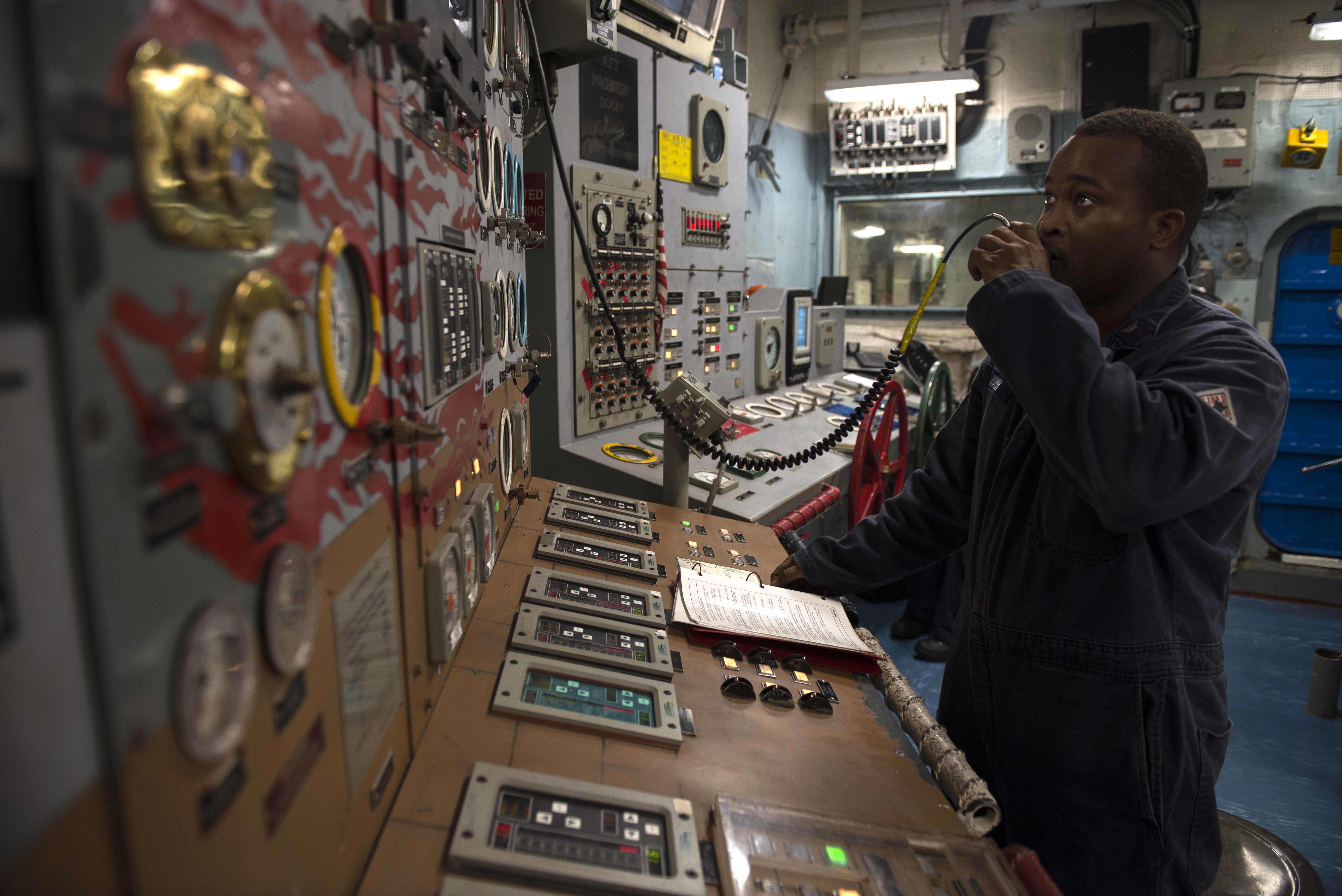
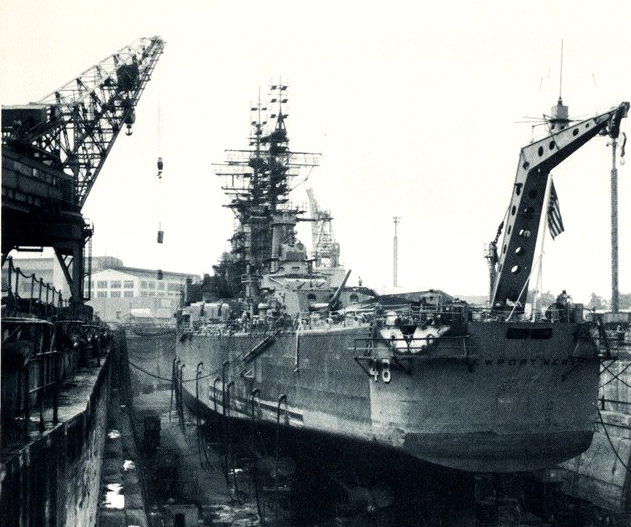
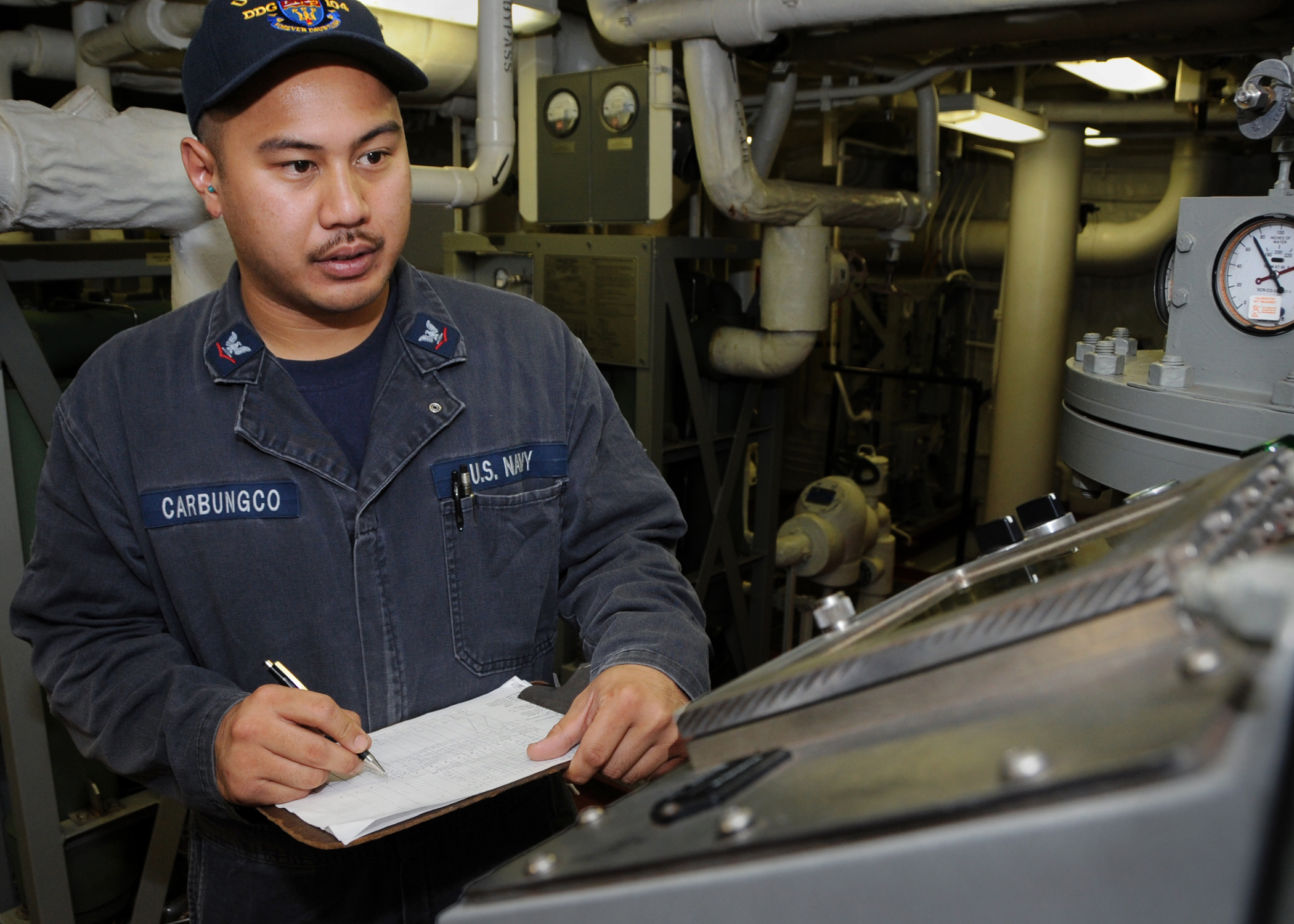
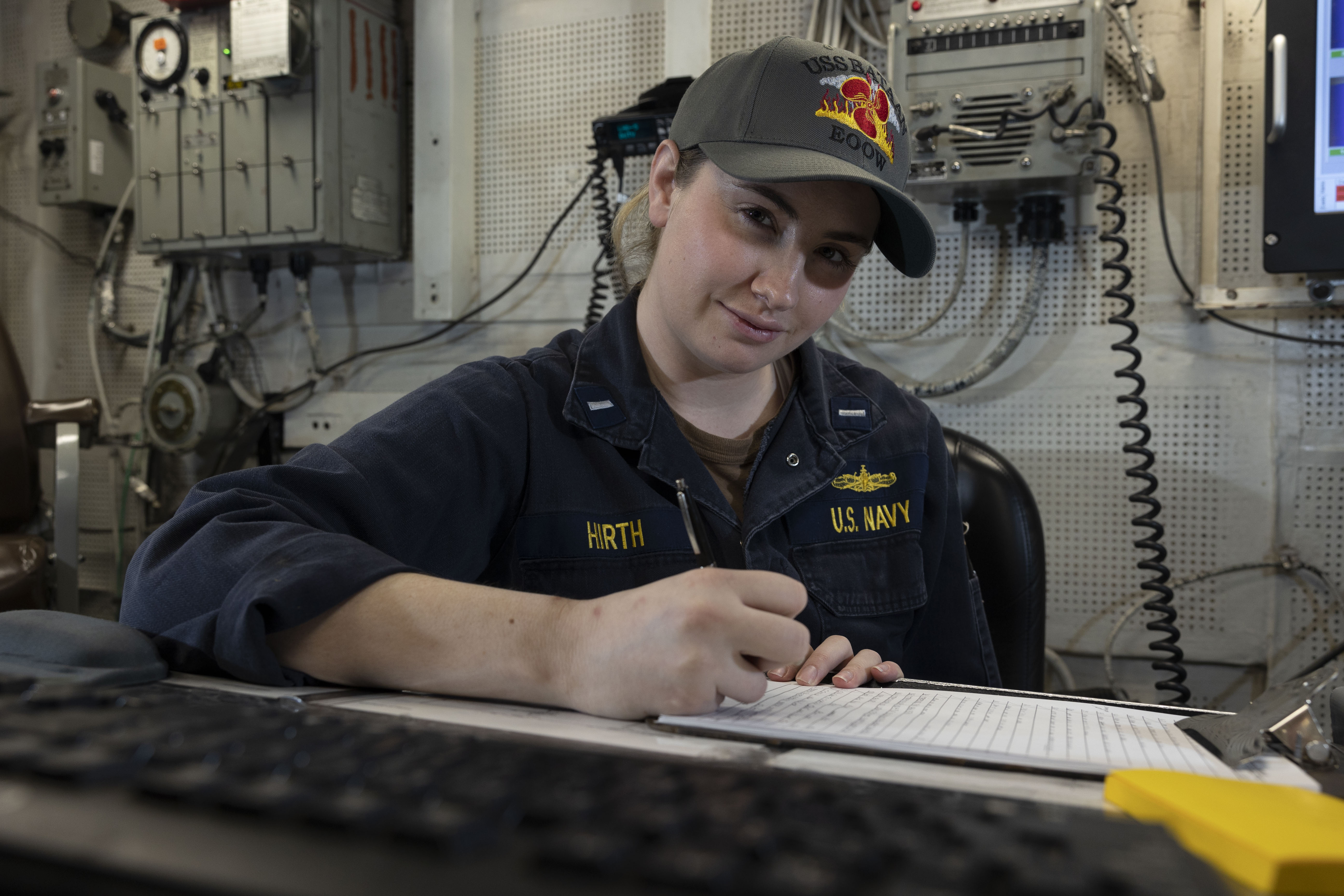
Did you serve aboard the USS Tulagi? This aircraft carrier carried asbestos in nearly every compartment. Here is where it was, and who is responsible. The USS Tulagi, hull number CVE-72, was an aircraft carrier, built by Kaiser Company and commissioned in 1943. She served through WWII Atlantic Theater, and WWII Pacific Theater. Public naval references list this equipment aboard the USS Tulagi, CVE-72 — insulated and sealed with asbestos. Each shipyard overhaul and major repair meant asbestos insulation was torn out and replaced — peak-exposure work for the yard workers and the crew aboard. Exposure was worst in the engineering spaces, where the snipes worked — but asbestos lined the whole ship, so all hands were exposed. The companies that made the asbestos equipment aboard — not the Navy — are who asbestos claims are brought against. According to asbestos litigation records, the equipment aboard the USS Tulagi from makers such as Babcock and Wilcox allegedly contained asbestos. If you served aboard the USS Tulagi and were later diagnosed with mesothelioma, asbestosis, or another asbestos-related disease, you may have a legal claim against the companies that made the asbestos products used aboard your ship. This is educational information from an independent publisher — not a law firm — and is not legal advice.
USS Tulagi (CVE-72) is a documented U.S. Navy escort carrier. The equipment reference below was extracted from the publicly-available Wikipedia article on this vessel, which cites the Dictionary of American Naval Fighting Ships (DANFS) — the U.S. Navy’s official ship-history publication maintained by the Naval History and Heritage Command.
Equipment Reference
| Equipment | Manufacturer | Qty | Notes |
|---|---|---|---|
| Babcock & Wilcox Express D Boilers | Babcock & Wilcox | 4 | Per Wikipedia infobox; raised 285 psi steam at 577°F |
| Skinner Unaflow Reciprocating Steam Engines | Skinner | 2 | Per Wikipedia infobox; delivered 9000 hp to propeller shafts |
| Reciprocating steam engines | Nordberg | Per DANFS (Casablanca-class characteristics); public domain |
Source: this equipment reference was extracted from public Wikipedia/DANFS records for USS Tulagi (CVE-72). These are secondary-source records — not primary BUSHIPS design documents. For litigation purposes, this data is a starting point; a ship-specific BUSHIPS Material Inspection Report or commissioning book would provide gold-standard verification.
The asbestos-containing products documented on U.S. Navy vessels and at shipyards are catalogued by manufacturer on AsbestosIndex. These records cross-reference which companies supplied which materials and to which facilities.
Navy Ratings Most Exposed to Asbestos Aboard Tulagi
The U.S. Department of Veterans Affairs and the public asbestos litigation record document that the following Navy ratings worked routinely in spaces where ACM was installed, maintained, ripped out, and replaced:
VA Disability Claims for Asbestos-Related Disease
The U.S. Department of Veterans Affairs evaluates asbestos claims individually. A veteran generally needs medical evidence of a current asbestos-related disease, service evidence supporting in-service asbestos exposure, and a medical opinion connecting the two. Ship assignments, Navy ratings, and equipment records can help document the exposure history but do not create automatic service connection.
Approved claims may provide monthly disability compensation and related benefits. Survivors may separately qualify for Dependency & Indemnity Compensation when the applicable requirements are met. Civil lawsuits and asbestos-trust claims use different standards; claimants should obtain individualized advice about how the processes interact.
How to file a VA disability claim: VA claims are filed directly with the U.S. Department of Veterans Affairs — not with a law firm. Start at VA.gov › Hazardous Materials Exposure, call 1‑800‑827‑1000, or get free help filing from a Veterans Service Organization: DAV, VFW, or American Legion.
VA Claims Guide on This Site › Compare: VA vs. Civil Lawsuit
Source notes: equipment-manifest entries (where shown) are sourced from public-record BUSHIPS (Bureau of Ships) documentation, NARA archives, and the public asbestos litigation record. Manufacturer attributions link to documented asbestos-product histories on AsbestosIndex.com where available. Nothing on this page constitutes medical or legal advice.