USS Midway (CV-41) is documented in the U.S. Navy asbestos litigation record. Publicly filed expert testimony and deposition records identify specific asbestos-containing equipment and products aboard this vessel.
Documented Asbestos Products — Litigation Record
Boilers — Babcock & Wilcox: Twelve Babcock & Wilcox boilers, covered with asbestos-containing insulation. Expert testimony (Captain Arnold Moore, licensed PE) states: “During the 1940s, when MIDWAY was built, and continuing into the 1970s, asbestos containing materials were the most commonly utilized materials for insulation, gaskets and packing for pumps, valves, turbines and other machinery and components.”
Main propulsion turbines — Westinghouse: Four Westinghouse geared turbines developing 212,000 combined horsepower. Turbines insulated with asbestos-containing materials throughout construction era.
Valves — Crane Co.: Crane Co. does not dispute its valves may have contained asbestos packing and gaskets aboard USS Midway. Publicly filed Illinois litigation argued Crane intended for original gaskets/packing to be replaced with asbestos-containing replacements — constituting foreseeable post-sale asbestos exposure.
Documented crew — ratings and service periods:
- Motor Machinist’s Mate 2nd Class — a Midway plank owner who served from the ship’s commissioning; died April 2012 from mesothelioma (asbestos-related cancer) after service aboard Midway
- Navy veteran — served aboard USS Midway 1960–1961; plaintiff in publicly filed asbestos case against Crane Co. in Illinois
Expert testimony: Captain Arnold Moore established asbestos-containing materials called out in drawings and technical manuals prepared by equipment manufacturers, covering insulation, gaskets, and packing for pumps, valves, turbines, and other machinery from construction through the 1970s.
Free, confidential case evaluation: Speak with O’Brien Law Firm — (314) 237-6461
All consultations are free. No fee unless a financial recovery is made on your behalf.
References to equipment, manufacturers, and litigation history reflect what has been alleged or documented in publicly filed asbestos litigation. This does not constitute a finding of fact or liability. This site does not provide legal or medical advice.
Photo Gallery
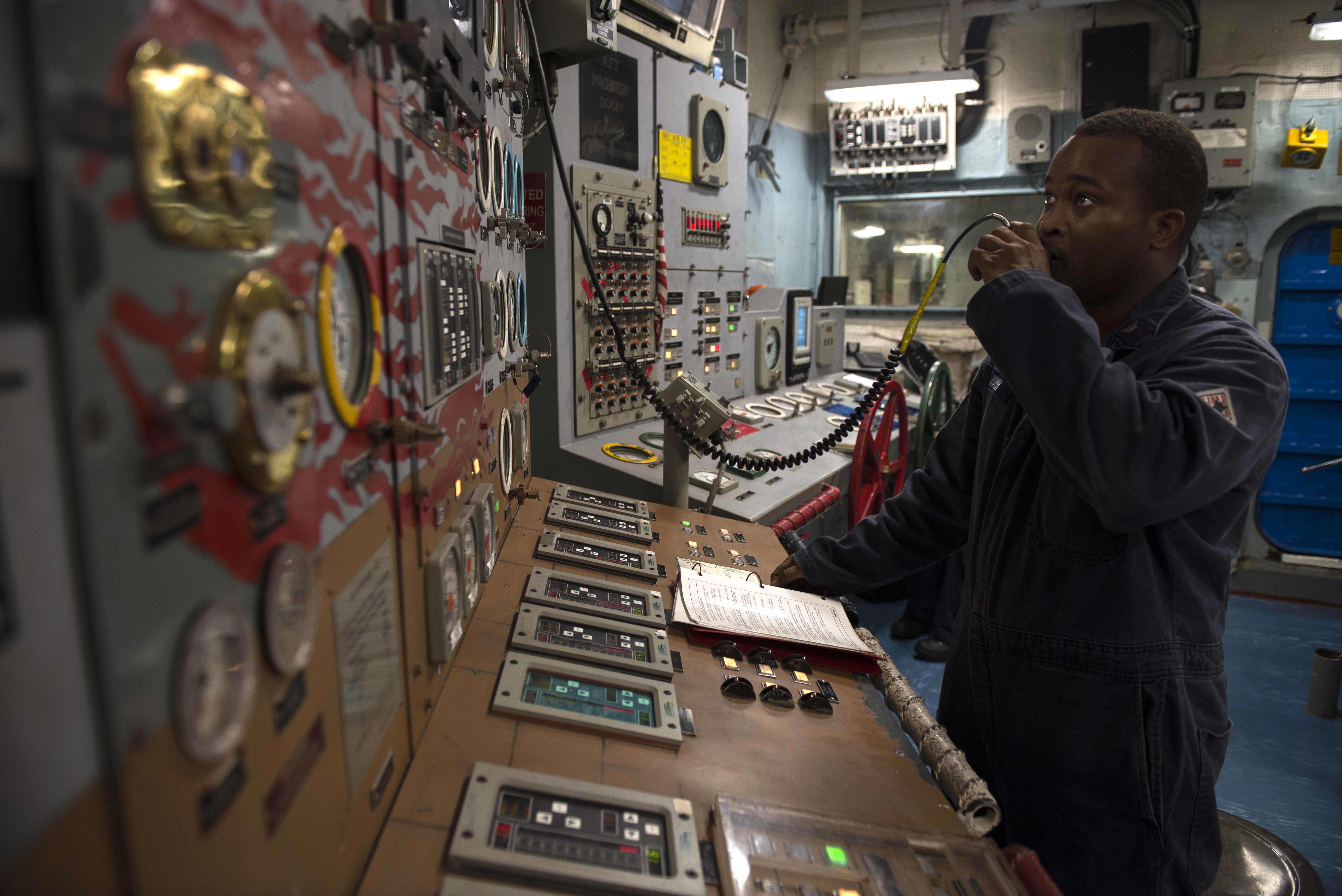
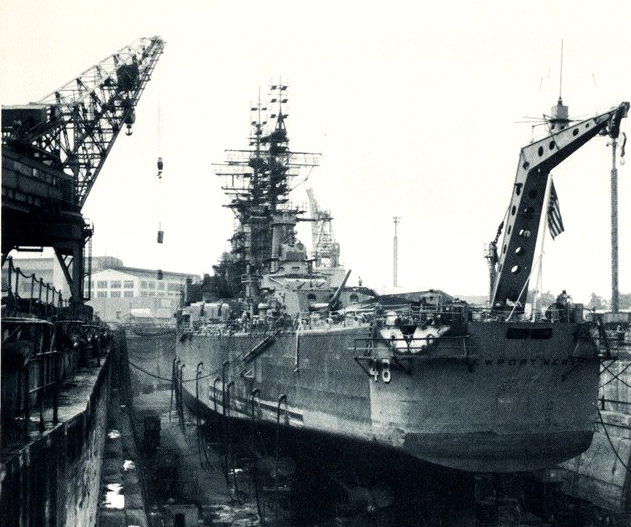
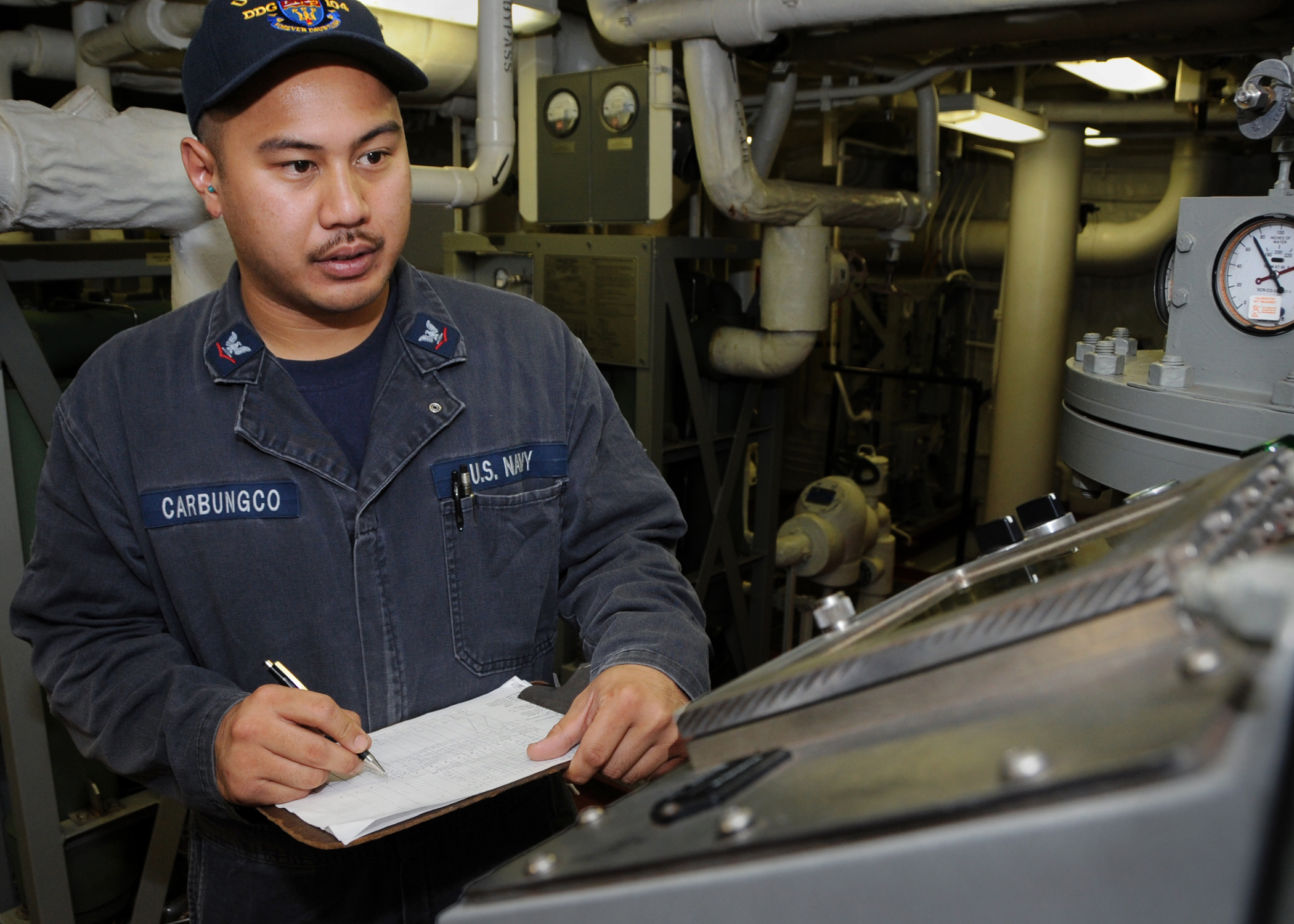
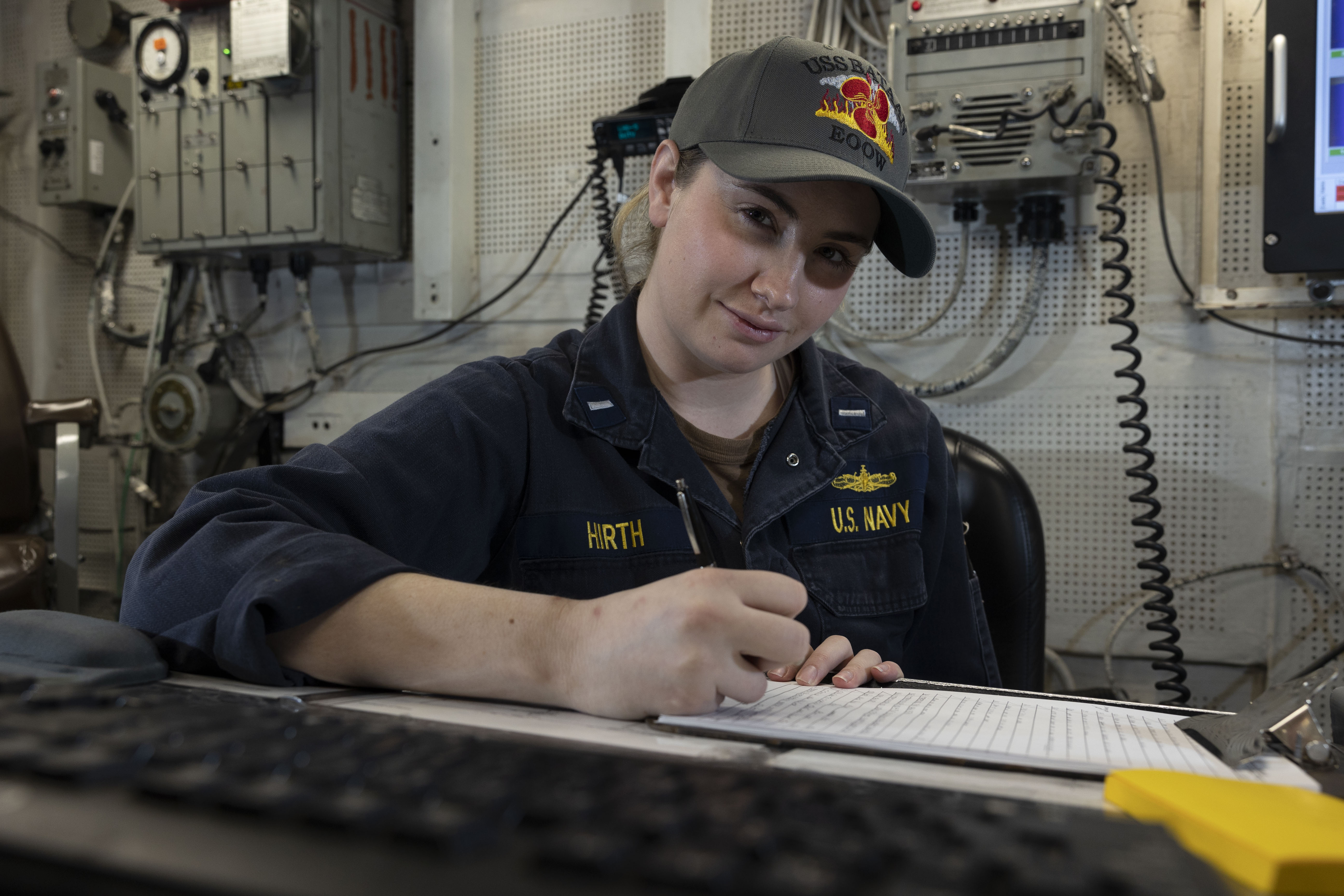
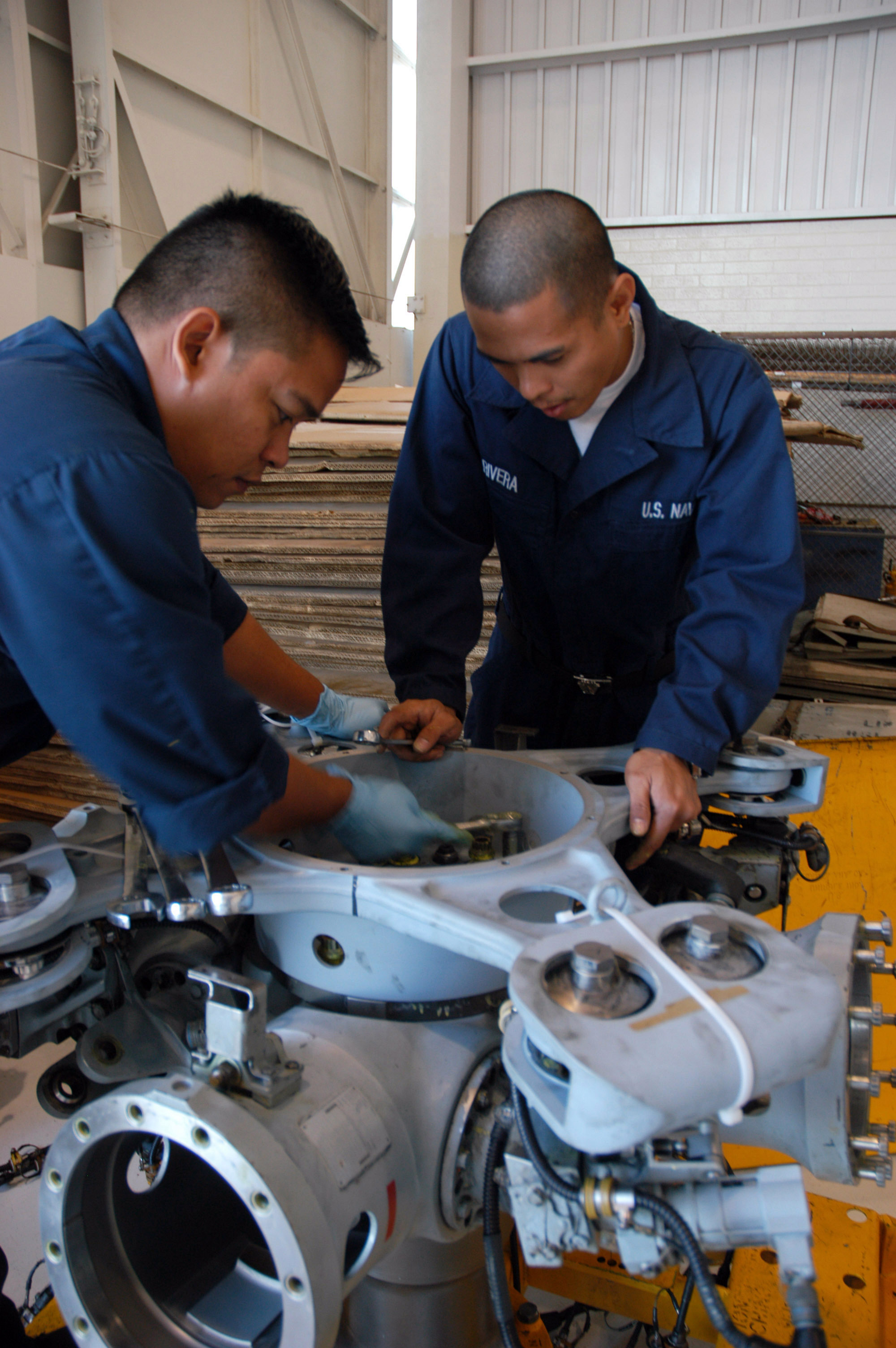
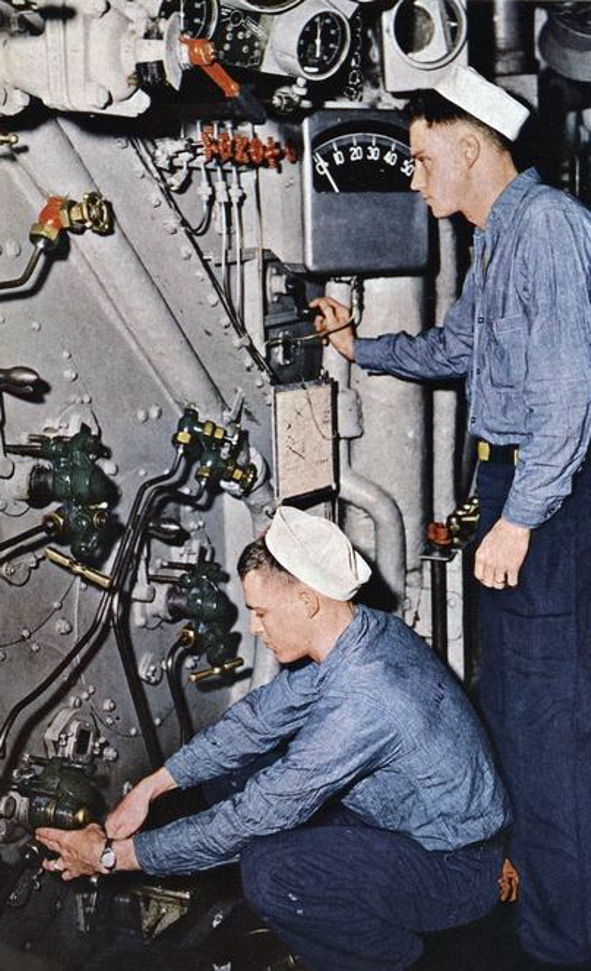
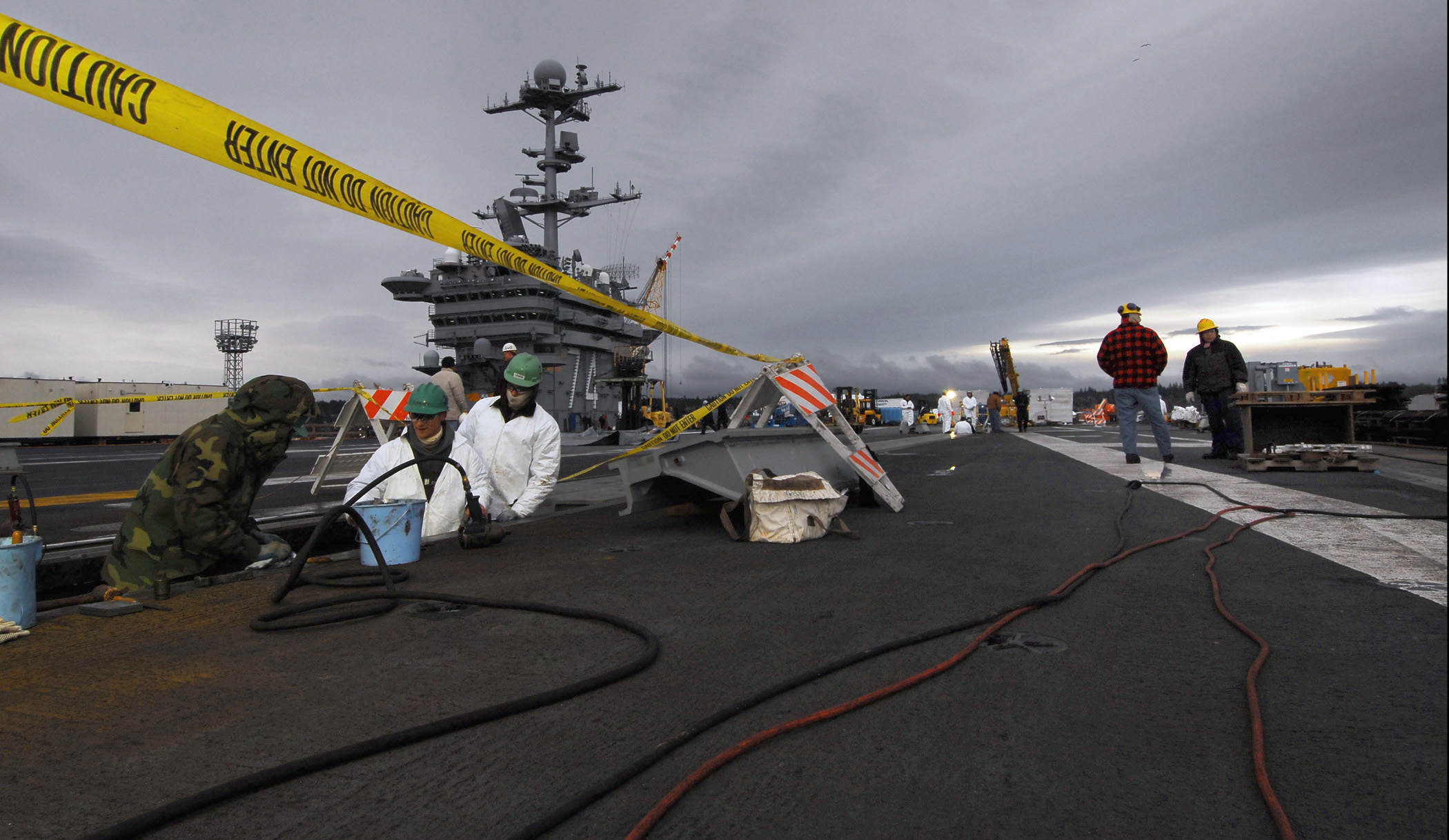
First-party photographs aboard USS Midway (CV-41), USS Midway Museum, San Diego CA.
The asbestos-containing products documented on U.S. Navy vessels and at shipyards are catalogued by manufacturer on AsbestosIndex. These records cross-reference which companies supplied which materials and to which facilities.
Navy Ratings Most Exposed to Asbestos Aboard Midway
The U.S. Department of Veterans Affairs and the public asbestos litigation record document that the following Navy ratings worked routinely in spaces where ACM was installed, maintained, ripped out, and replaced:
VA Disability Claims for Asbestos-Related Disease
The U.S. Department of Veterans Affairs evaluates asbestos claims individually. A veteran generally needs medical evidence of a current asbestos-related disease, service evidence supporting in-service asbestos exposure, and a medical opinion connecting the two. Ship assignments, Navy ratings, and equipment records can help document the exposure history but do not create automatic service connection.
Approved claims may provide monthly disability compensation and related benefits. Survivors may separately qualify for Dependency & Indemnity Compensation when the applicable requirements are met. Civil lawsuits and asbestos-trust claims use different standards; claimants should obtain individualized advice about how the processes interact.
How to file a VA disability claim: VA claims are filed directly with the U.S. Department of Veterans Affairs — not with a law firm. Start at VA.gov › Hazardous Materials Exposure, call 1‑800‑827‑1000, or get free help filing from a Veterans Service Organization: DAV, VFW, or American Legion.
VA Claims Guide on This Site › Compare: VA vs. Civil Lawsuit
Source notes: equipment-manifest entries (where shown) are sourced from public-record BUSHIPS (Bureau of Ships) documentation, NARA archives, and the public asbestos litigation record. Manufacturer attributions link to documented asbestos-product histories on AsbestosIndex.com where available. Nothing on this page constitutes medical or legal advice.