Read the video transcript
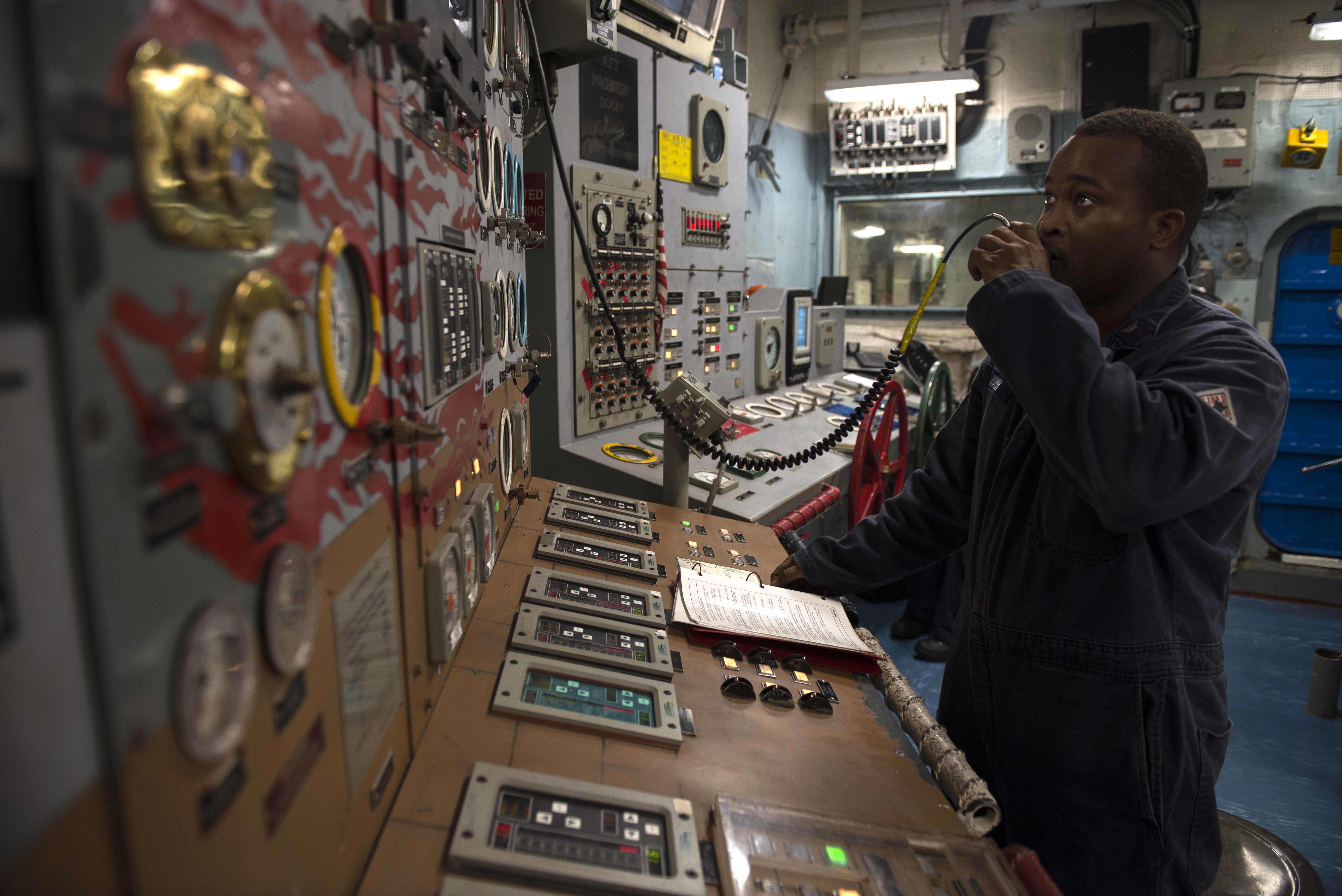
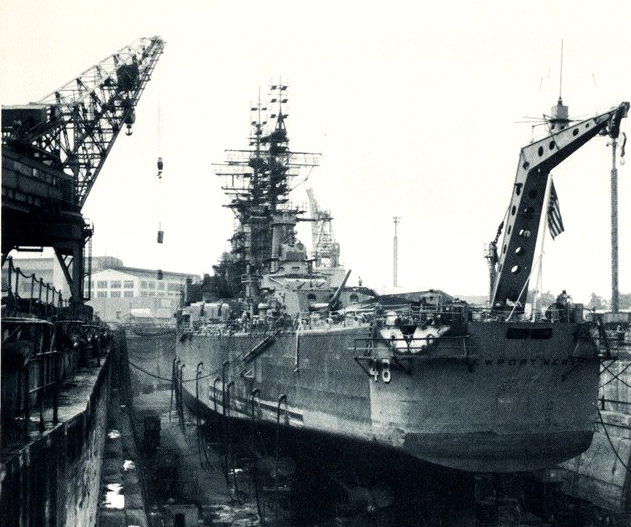
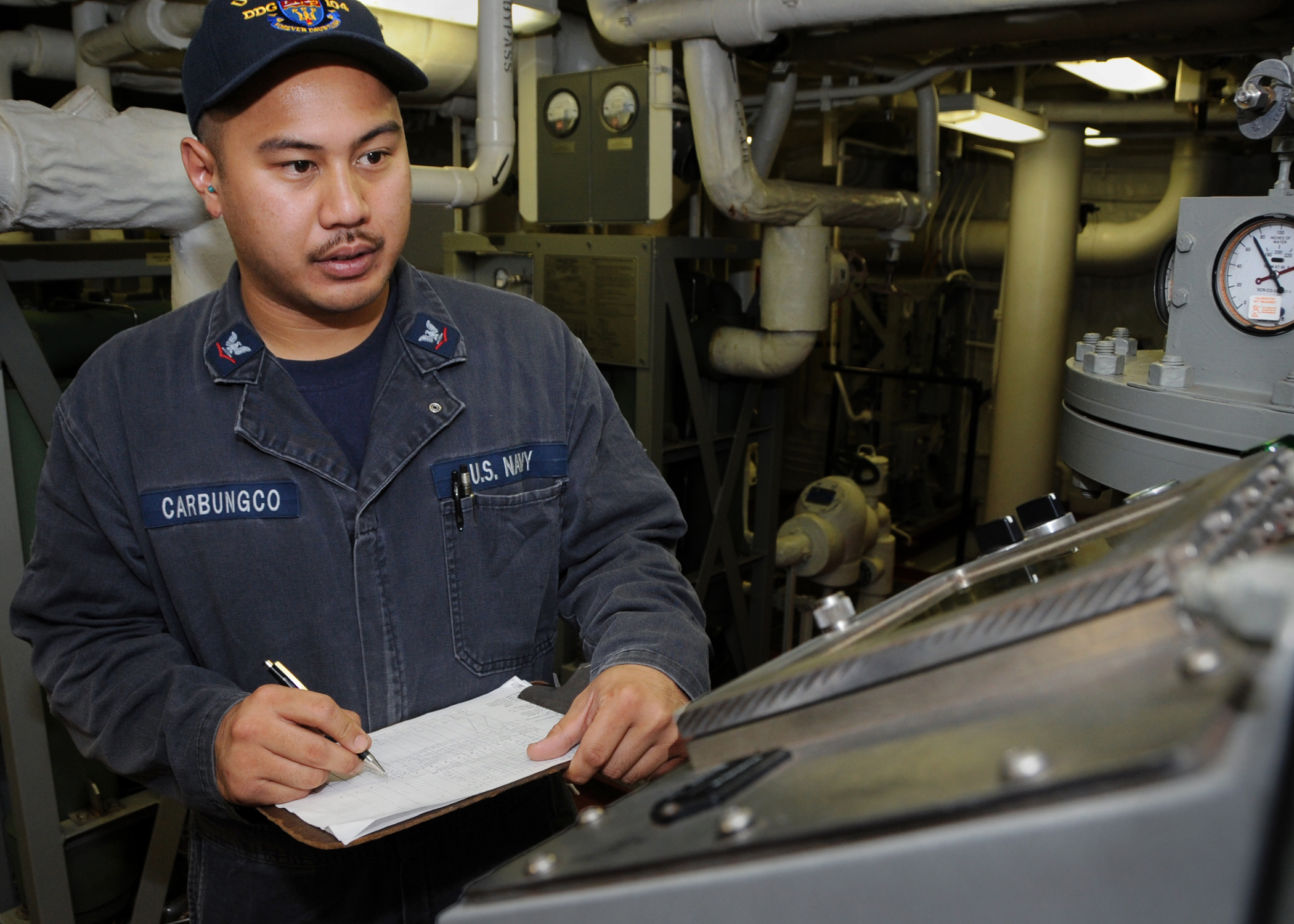
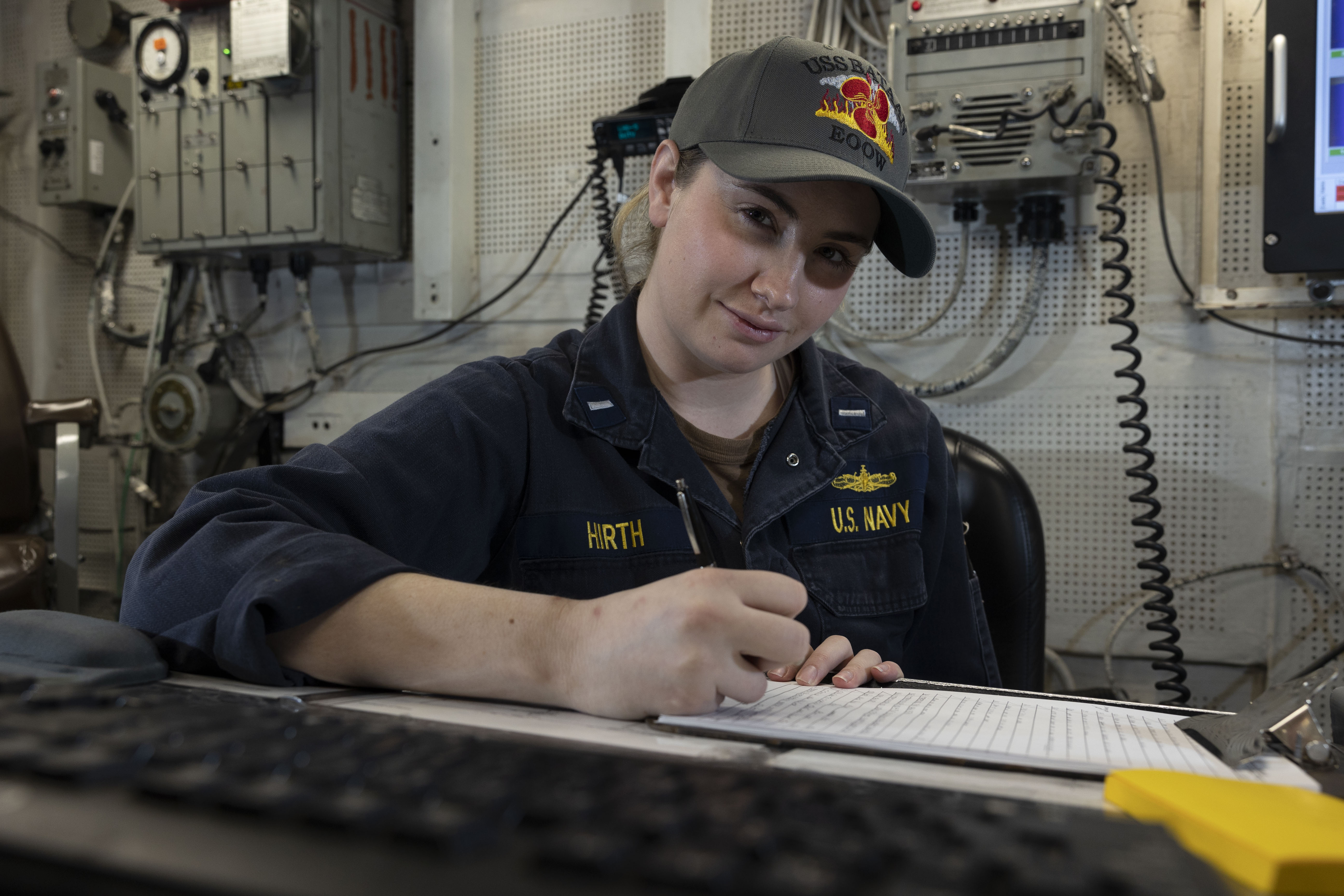
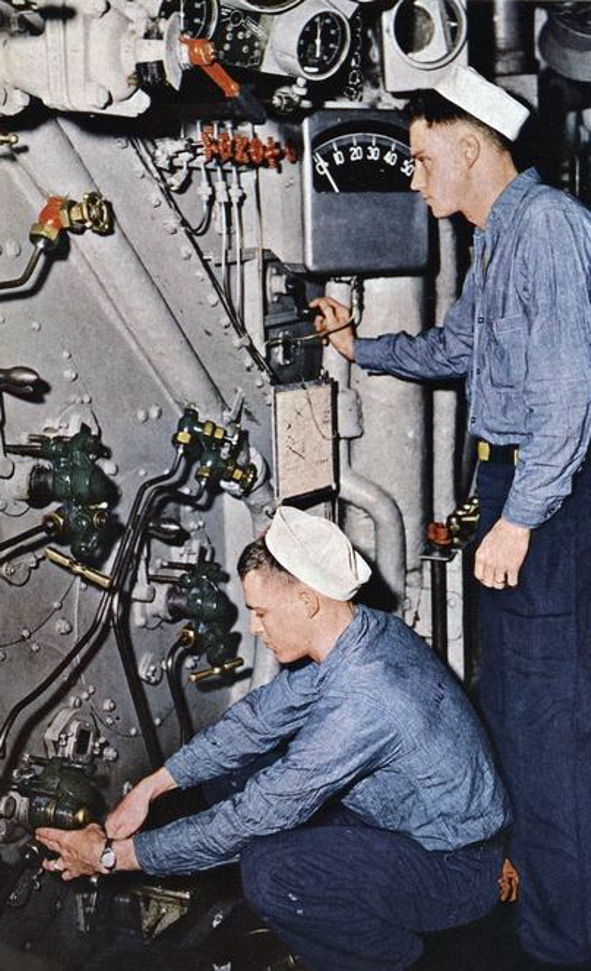
Did you serve aboard the USS Mcgowan? This destroyer carried asbestos in nearly every compartment. Here is where it was, and who is responsible. The USS Mcgowan, hull number DD-678, was a destroyer. Public naval references list this equipment aboard the USS Mcgowan, DD-678 — insulated and sealed with asbestos. Exposure was worst in the engineering spaces, where the snipes worked — but asbestos lined the whole ship, so all hands were exposed. The companies that made the asbestos equipment aboard — not the Navy — are who asbestos claims are brought against. According to asbestos litigation records, the equipment aboard the USS Mcgowan from makers such as Babcock and Wilcox, General Electric, Westinghouse, and Worthington allegedly contained asbestos. If you served aboard the USS Mcgowan and were later diagnosed with mesothelioma, asbestosis, or another asbestos-related disease, you may have a legal claim against the companies that made the asbestos products used aboard your ship. This is educational information from an independent publisher — not a law firm — and is not legal advice.
USS Mcgowan (DD-678) is a fletcher-class destroyer in the U.S. asbestos litigation record. The equipment manifest below is a class-pattern reference assembled from manufacturer and machinery entries documented across 21 sister ships of the same class. Ship-specific BUSHIPS documentation for USS Mcgowan (DD-678) herself has not yet been published; this pattern reflects what was standard for vessels of this class.
Class Equipment Pattern
| Equipment | Manufacturer | Qty | Notes |
|---|---|---|---|
| Boiler | Babcock & Wilcox | Documented across 4 sister-ship records of the Fletcher-class destroyer | |
| Boilers | Babcock & Wilcox | Documented across 4 sister-ship records of the Fletcher-class destroyer | |
| Emergency Feed Pump | Warren | Documented across 3 sister-ship records of the Fletcher-class destroyer | |
| Main Propulsion Turbines | General Electric | Documented across 3 sister-ship records of the Fletcher-class destroyer | |
| Turbine | General Electric | Documented across 3 sister-ship records of the Fletcher-class destroyer | |
| Auxiliary Condensers | Foster Wheeler | Documented across 2 sister-ship records of the Fletcher-class destroyer | |
| Cast Steel Gate Valve | Chapman | Documented across 2 sister-ship records of the Fletcher-class destroyer | |
| Emergency Feed Pumps | Warren | Documented across 2 sister-ship records of the Fletcher-class destroyer | |
| Emergency Generator Diesel Engine | General Motors | Documented across 2 sister-ship records of the Fletcher-class destroyer | |
| Fire & Bilge Pump | Warren | Documented across 2 sister-ship records of the Fletcher-class destroyer | |
| Forced Draft Blowers | Westinghouse | Documented across 2 sister-ship records of the Fletcher-class destroyer | |
| Forced Draft Blowers Turbine Driven | Westinghouse | Documented across 2 sister-ship records of the Fletcher-class destroyer | |
| Fuel Oil Booster Pump | DeLaval | Documented across 2 sister-ship records of the Fletcher-class destroyer | |
| Generator | General Electric | Documented across 2 sister-ship records of the Fletcher-class destroyer | |
| Generators | General Electric | Documented across 2 sister-ship records of the Fletcher-class destroyer | |
| Hp Air Compressor Turbine Driven | Worthington | Documented across 2 sister-ship records of the Fletcher-class destroyer | |
| Lp Air Compressor Motor Driven | Worthington | Documented across 2 sister-ship records of the Fletcher-class destroyer | |
| Main Condensers | Foster Wheeler | Documented across 2 sister-ship records of the Fletcher-class destroyer | |
| Main Feed Pump | Worthington | Documented across 2 sister-ship records of the Fletcher-class destroyer | |
| Main Feed Pumps | Worthington | Documented across 2 sister-ship records of the Fletcher-class destroyer | |
| Ships Service Generator Turbines | General Electric | Documented across 2 sister-ship records of the Fletcher-class destroyer |
Note: this manifest is a class-level pattern derived from sister-ship BUSHIPS records and public asbestos litigation documents. Individual ship-specific variations may exist. Where ship-specific documentation becomes available for USS Mcgowan (DD-678), this page will be updated to reflect her unique equipment profile.
Fletcher-Class destroyer — Class Background
Ship-specific service history is not available for this vessel in public records. The class-level information below applies to all ships in her class. Source: Wikipedia — Fletcher-Class destroyer
The Fletcher class was a class of 175 destroyers built by the United States during World War II, designed in 1939 to address dissatisfaction with earlier destroyer types and commissioned between 1942 and 1944. These ships featured five 5-inch guns and ten 21-inch torpedo tubes, performed every assigned destroyer mission from antisubmarine to surface warfare, and served almost exclusively in the Pacific Theater during World War II, where they sank 29 Japanese submarines. After the war, some Fletcher-class destroyers continued service into the Korean War and Vietnam War, while others were sold to former adversary nations including Italy, Germany, and Japan.
Class Overview
- Total Ships in Class
- 175
- Construction Era
- 1942-1944
- Service Era
- World War II through Vietnam War
Class Mission & Role
General-purpose destroyers designed to perform antisubmarine warfare, antiaircraft defense, surface combat, and fleet support across long-range Pacific operations.
Primary Builders
- Multiple U.S. shipyards across the country
Class Combat Operations
- World War II Pacific Theater
- Korean War
- Vietnam War
Asbestos Materials in this Class
The article does not document specific asbestos use in Fletcher-class destroyers. However, standard pre-1980 U.S. Navy construction included asbestos in pipe lagging, boiler insulation, gaskets, and habitability spaces.
The asbestos-containing products documented on U.S. Navy vessels and at shipyards are catalogued by manufacturer on AsbestosIndex. These records cross-reference which companies supplied which materials and to which facilities.
Navy Ratings Most Exposed to Asbestos Aboard Mcgowan
The U.S. Department of Veterans Affairs and the public asbestos litigation record document that the following Navy ratings worked routinely in spaces where ACM was installed, maintained, ripped out, and replaced:
VA Disability Claims for Asbestos-Related Disease
The U.S. Department of Veterans Affairs evaluates asbestos claims individually. A veteran generally needs medical evidence of a current asbestos-related disease, service evidence supporting in-service asbestos exposure, and a medical opinion connecting the two. Ship assignments, Navy ratings, and equipment records can help document the exposure history but do not create automatic service connection.
Approved claims may provide monthly disability compensation and related benefits. Survivors may separately qualify for Dependency & Indemnity Compensation when the applicable requirements are met. Civil lawsuits and asbestos-trust claims use different standards; claimants should obtain individualized advice about how the processes interact.
How to file a VA disability claim: VA claims are filed directly with the U.S. Department of Veterans Affairs — not with a law firm. Start at VA.gov › Hazardous Materials Exposure, call 1‑800‑827‑1000, or get free help filing from a Veterans Service Organization: DAV, VFW, or American Legion.
VA Claims Guide on This Site › Compare: VA vs. Civil Lawsuit
Source notes: equipment-manifest entries (where shown) are sourced from public-record BUSHIPS (Bureau of Ships) documentation, NARA archives, and the public asbestos litigation record. Manufacturer attributions link to documented asbestos-product histories on AsbestosIndex.com where available. Nothing on this page constitutes medical or legal advice.