Read the video transcript
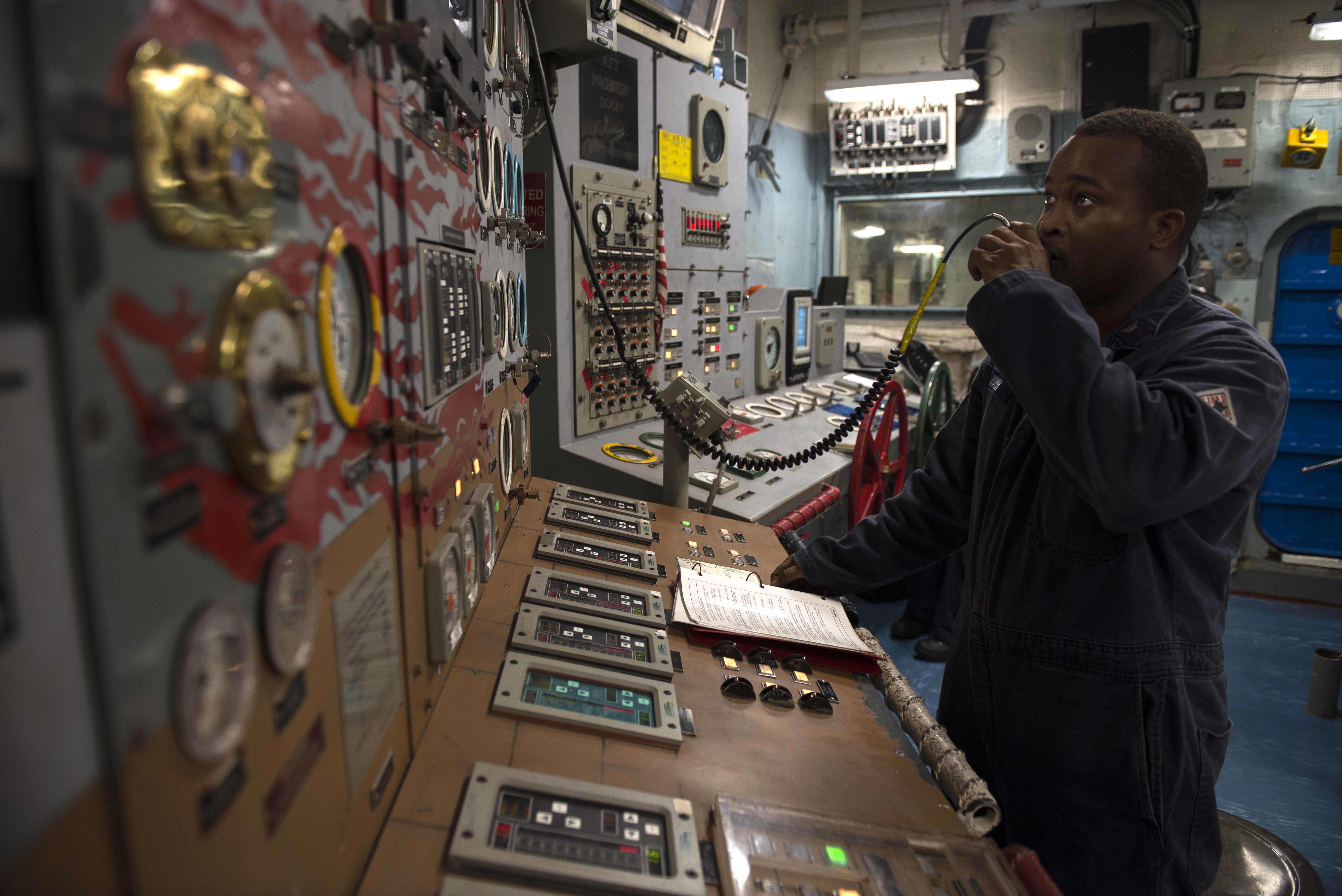
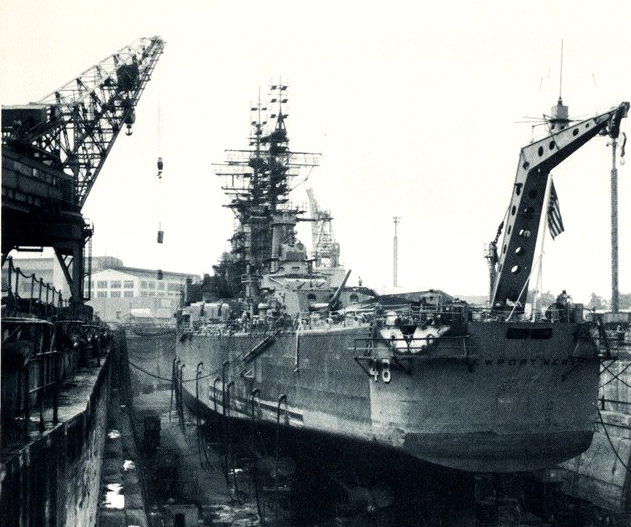
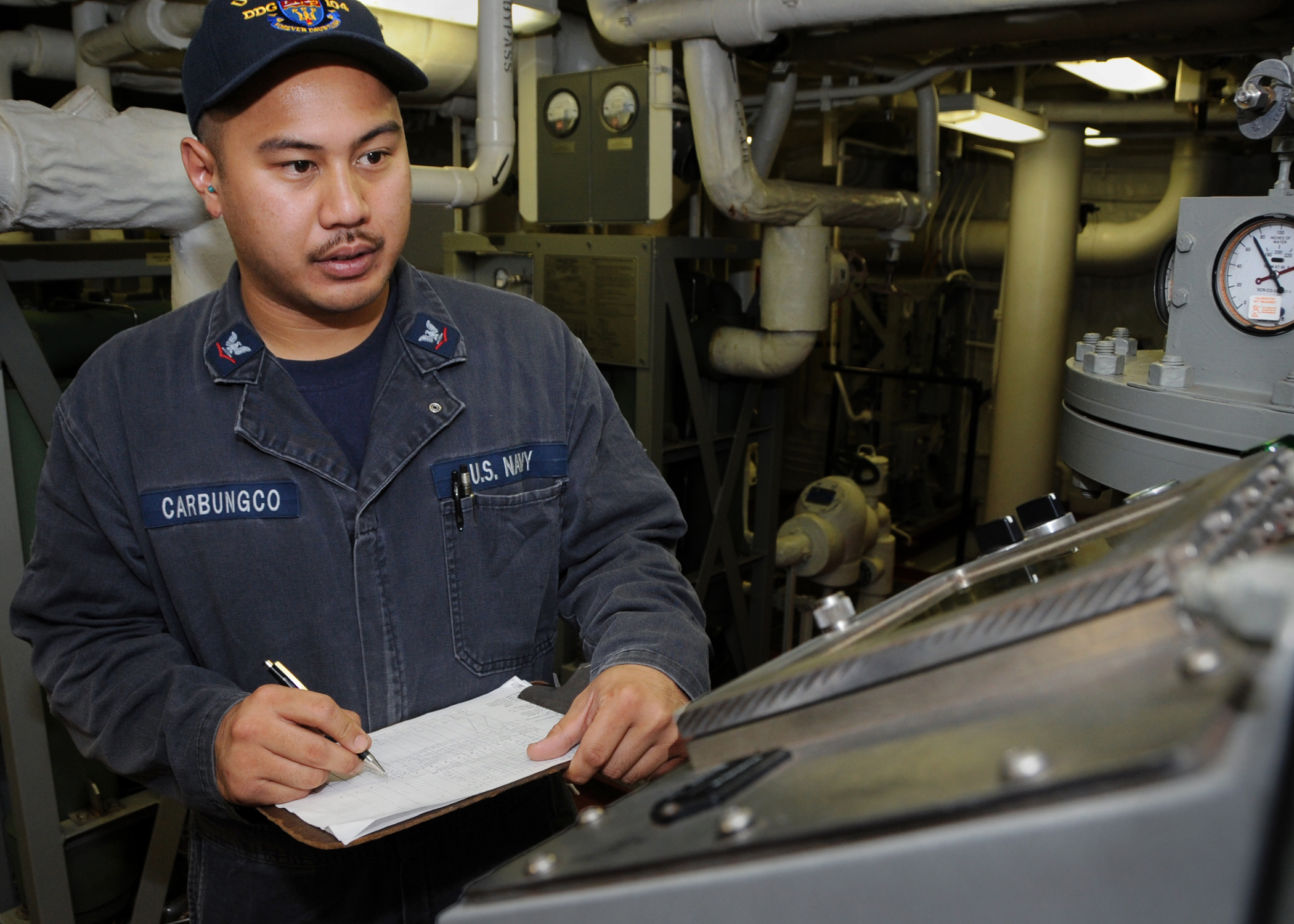
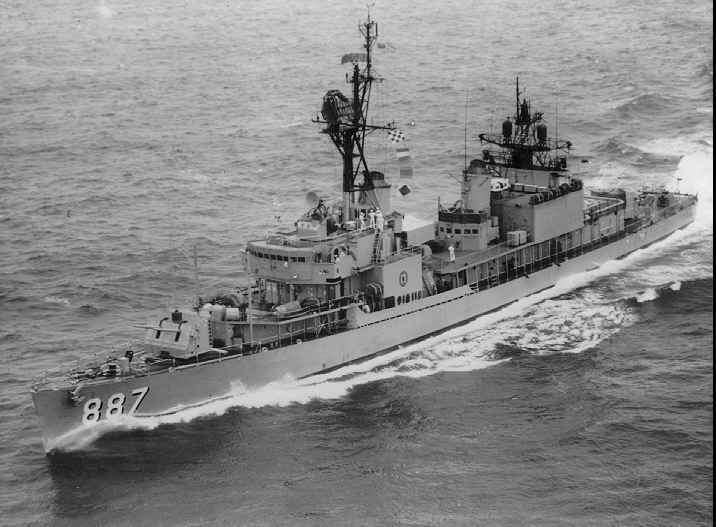
Did you serve aboard the USS Brinkley Bass? This destroyer carried asbestos in nearly every compartment. Here is where it was, and who is responsible. The USS Brinkley Bass, hull number DD-887, was a destroyer, built by Consolidated Steel Corporation and commissioned in 1945. She served through Post-WWII Pacific Operations, Korean War, and Cold War Far East Deployments. Public naval references list this equipment aboard the USS Brinkley Bass, DD-887 — insulated and sealed with asbestos. Each shipyard overhaul and major repair meant asbestos insulation was torn out and replaced — peak-exposure work for the yard workers and the crew aboard. Exposure was worst in the engineering spaces, where the snipes worked — but asbestos lined the whole ship, so all hands were exposed. The companies that made the asbestos equipment aboard — not the Navy — are who asbestos claims are brought against. According to asbestos litigation records, the equipment aboard the USS Brinkley Bass from makers such as BABCOCK and WILCOX, Babcock and Wilcox, General Electric, and Westinghouse allegedly contained asbestos. If you served aboard the USS Brinkley Bass and were later diagnosed with mesothelioma, asbestosis, or another asbestos-related disease, you may have a legal claim against the companies that made the asbestos products used aboard your ship. This is educational information from an independent publisher — not a law firm — and is not legal advice.
USS Brinkley Bass (DD-887) was a Gearing-class destroyer commissioned 1 October 1945 and serving the U.S. Navy through 1969 — Pacific Fleet operations, Korean War, and Vietnam-era anti-submarine warfare service. Transferred to Brazil as Mariz e Barros (D-26).
The 50-entry equipment manifest below is sourced from ship-specific BUSHIPS (Bureau of Ships) documentation identifying machinery and equipment installed aboard. Each entry is documented equipment with verified manufacturer attribution — primary-source material for asbestos-exposure case development by Navy veterans and surviving families.
Equipment Manifest
| Equipment | Manufacturer | Qty | Notes |
|---|---|---|---|
| main circulating pumps | Allis-Chalmers | Hull-specific record: manufacturer/equipment list, USS Brinkley Bass (DD-887) [defendant viable] | |
| blowers for gland leakoff exhauster | B.F. Sturtevant Co. (Howden-Sirocco) | Hull-specific record: manufacturer/equipment list, USS Brinkley Bass (DD-887) [defendant viable] | |
| evaporator brine overboard discharge pumps, fire & flushing pumps, distiller condenser condensate pumps, auxiliary condenser circulating pumps, evaporator first-effect tube nest drain pumps, distiller condenser circulating pumps, distiller condenser fresh water distributing pumps | Buffalo Pumps, Inc. | Hull-specific record: manufacturer/equipment list, USS Brinkley Bass (DD-887) [defendant viable] | |
| refrigeration plants | Carrier Corp. | Hull-specific record: manufacturer/equipment list, USS Brinkley Bass (DD-887) [defendant viable] | |
| valves for auxiliary exhaust & escape / auxiliary steam / steam drain / fuel oil service & transfer piping (back-pressure, lift-check, globe, angle, stop, stop-check, spring-loaded, hose) | Crane Co. | Hull-specific record: manufacturer/equipment list, USS Brinkley Bass (DD-887) [defendant viable] | |
| reduction gears for main propulsion turbines, main feed pumps, main feed booster pumps, main condenser condensate pumps, auxiliary condenser condensate pumps | DeLaval Steam Turbine Co. | Hull-specific record: manufacturer/equipment list, USS Brinkley Bass (DD-887) [defendant viable] | |
| motor drivers for pumps, motors for gland leakoff exhauster | Diehl Mfg. Co. (Singer Co.) | Hull-specific record: manufacturer/equipment list, USS Brinkley Bass (DD-887) [defendant viable] | |
| deaerating feed tank | Elliott | Hull-specific record: manufacturer/equipment list, USS Brinkley Bass (DD-887) [defendant viable] | |
| pressure-regulating valves for auxiliary steam system, pressure-reducing valves for high-pressure air system, pressure-regulating valves for fuel oil pumps | Foster Engineering (ITT) | Hull-specific record: manufacturer/equipment list, USS Brinkley Bass (DD-887) [defendant viable] | |
| main condenser, auxiliary condensers, air ejectors for condensers | Foster Wheeler | Hull-specific record: manufacturer/equipment list, USS Brinkley Bass (DD-887) [defendant viable] | |
| thermostatic control valves for steam heating system | Fulton Sylphon (Robert Shaw) | Hull-specific record: manufacturer/equipment list, USS Brinkley Bass (DD-887) [defendant viable] | |
| fire pumps | Gardner-Denver | Hull-specific record: manufacturer/equipment list, USS Brinkley Bass (DD-887) [defendant viable] | |
| main propulsion turbines, generator turbines, motor drivers for pumps, pump controls, emergency generators | General Electric | Hull-specific record: manufacturer/equipment list, USS Brinkley Bass (DD-887) [defendant viable] | |
| distilling plants, fuel oil heaters | Griscom-Russell, Inc. | Hull-specific record: manufacturer/equipment list, USS Brinkley Bass (DD-887) [defendant viable] | |
| steam pressure-reducing valves | Grove Regulator (div. Walworth) | Hull-specific record: manufacturer/equipment list, USS Brinkley Bass (DD-887) [defendant viable] | |
| hot fresh water circulating pumps | H.A. Thrush & Co. | Hull-specific record: manufacturer/equipment list, USS Brinkley Bass (DD-887) [defendant viable] | |
| combination relief and reducing valves | Mason Neilan Regulator Co. (Dresser-Rand) | Hull-specific record: manufacturer/equipment list, USS Brinkley Bass (DD-887) [defendant viable] | |
| vacuum priming pumps for emergency diesel generators | Nash Engineering | Hull-specific record: manufacturer/equipment list, USS Brinkley Bass (DD-887) [defendant viable] | |
| diesel fuel oil service pumps, port & cruising fuel oil service pumps | Northern Pump Co. (Northern Ordnance) | Hull-specific record: manufacturer/equipment list, USS Brinkley Bass (DD-887) [defendant viable] | |
| globe & angle stop valves | Ruggles-Klingemann Mfg. Co. | Hull-specific record: manufacturer/equipment list, USS Brinkley Bass (DD-887) [defendant viable] | |
| unloading valves for deaerating feed tanks, auxiliary exhaust unloading valves | Swartwout (div. Crane Co.) | Hull-specific record: manufacturer/equipment list, USS Brinkley Bass (DD-887) [defendant viable] | |
| steam traps | Trane | Hull-specific record: manufacturer/equipment list, USS Brinkley Bass (DD-887) [defendant viable] | |
| ammunition hoists | Vickers | Hull-specific record: manufacturer/equipment list, USS Brinkley Bass (DD-887) [defendant viable] | |
| laundry equipment | U.S. Hoffman Machinery Co. (Hoffman-New Yorker) | Hull-specific record: manufacturer/equipment list, USS Brinkley Bass (DD-887) [defendant viable] | |
| fire & bilge pumps, fire & flushing, emergency feed pumps, main condenser circulating pumps, fresh water pumps | Warren Steam Pump Co. | Hull-specific record: manufacturer/equipment list, USS Brinkley Bass (DD-887) [defendant viable] | |
| switchboards, forced draft blowers for main boilers, turbine drivers for forced draft blowers, motor drivers for pumps, controls for pumps, turbine drivers for pumps | Westinghouse | Hull-specific record: manufacturer/equipment list, USS Brinkley Bass (DD-887) [defendant viable] | |
| main boilers | Babcock & Wilcox | Hull-specific record: manufacturer/equipment list, USS Brinkley Bass (DD-887) [defendant bankrupt/trust] | |
| diesel engines for emergency generators | General Motors | Hull-specific record: manufacturer/equipment list, USS Brinkley Bass (DD-887) [defendant bankrupt/trust] | |
| pressure-reducing valves | Kiely & Mueller (Leslie Co.) | Hull-specific record: manufacturer/equipment list, USS Brinkley Bass (DD-887) [defendant bankrupt/trust] | |
| pump governors | Leslie Co. | Hull-specific record: manufacturer/equipment list, USS Brinkley Bass (DD-887) [defendant bankrupt/trust] | |
| air compressors, main feed pumps, main condensate pumps, auxiliary condenser condensate pumps | Worthington Pump & Machinery Corp. | Hull-specific record: manufacturer/equipment list, USS Brinkley Bass (DD-887) [defendant bankrupt/trust] | |
| steam traps | Yarway (Yarnall-Waring) | Hull-specific record: manufacturer/equipment list, USS Brinkley Bass (DD-887) [defendant bankrupt/trust] | |
| valves | Consolidated Ashcroft-Hancock | Hull-specific record: manufacturer/equipment list, USS Brinkley Bass (DD-887) [defendant status unknown] | |
| motor drivers for pumps | Star Electric Co. | Hull-specific record: manufacturer/equipment list, USS Brinkley Bass (DD-887) [defendant status unknown] | |
| relief valves | Star Brass Mfg. Co. | Hull-specific record: manufacturer/equipment list, USS Brinkley Bass (DD-887) [defendant status unknown] | |
| fuel oil service pumps, fuel oil booster pumps, lubricating service oil pumps, lubricating oil purifiers, diesel oil purifiers | Turbine Equipment Co. | Hull-specific record: manufacturer/equipment list, USS Brinkley Bass (DD-887) [defendant status unknown] |
Asbestos-Containing Materials Aboard Brinkley Bass
The standard asbestos-containing materials installed throughout U.S. Navy destroyers of this era are documented to have included:
- Pipe lagging and thermal insulation on main steam, feed-water, fuel-oil, condensate, and saltwater piping throughout machinery spaces
- Boiler block insulation, refractory brick, and gun-blocks around the main boilers
- Asbestos gaskets and braided packing in valves, flanges, pumps, condensers, heat exchangers, and turbine glands
- Insulation jackets and removable lagging on main propulsion turbines, reduction gears, ship-service turbine generators, and forced-draft blowers
- Sheet asbestos and Marinite panels as fire-stops, bulkhead insulation, and overhead insulation
- Vinyl asbestos floor tile (VAT) in passageways, berthing, mess decks, and habitable compartments
- Asbestos rope, wick, and tape in gland-seal applications throughout the engineering plant
Sailors in Boilerman, Machinist’s Mate, Engineman, Electrician’s Mate, Hull Maintenance Technician, Damage Controlman, and other engineering ratings worked routinely in spaces where these materials were installed, maintained, ripped out, and replaced.
VA Benefits for Brinkley Bass Veterans
The Department of Veterans Affairs recognizes mesothelioma, asbestos-related lung cancer, asbestosis, and pleural disease as conditions that may be service-connected for Navy veterans with documented asbestos exposure. The Brinkley Bass equipment manifest is direct documentary evidence of the asbestos-containing materials her crew worked around throughout her service life.
Parallel claims against the asbestos bankruptcy trust funds established by the manufacturers of these products are also available, and do not reduce VA compensation.
Speak with an asbestos attorney with Navy veterans experience →
Equipment manifest derived from public-record BUSHIPS documentation specific to USS Brinkley Bass (DD-887). Manufacturer attribution links to documented asbestos-product histories on AsbestosIndex.com where available. Editorial review applied per site standards.