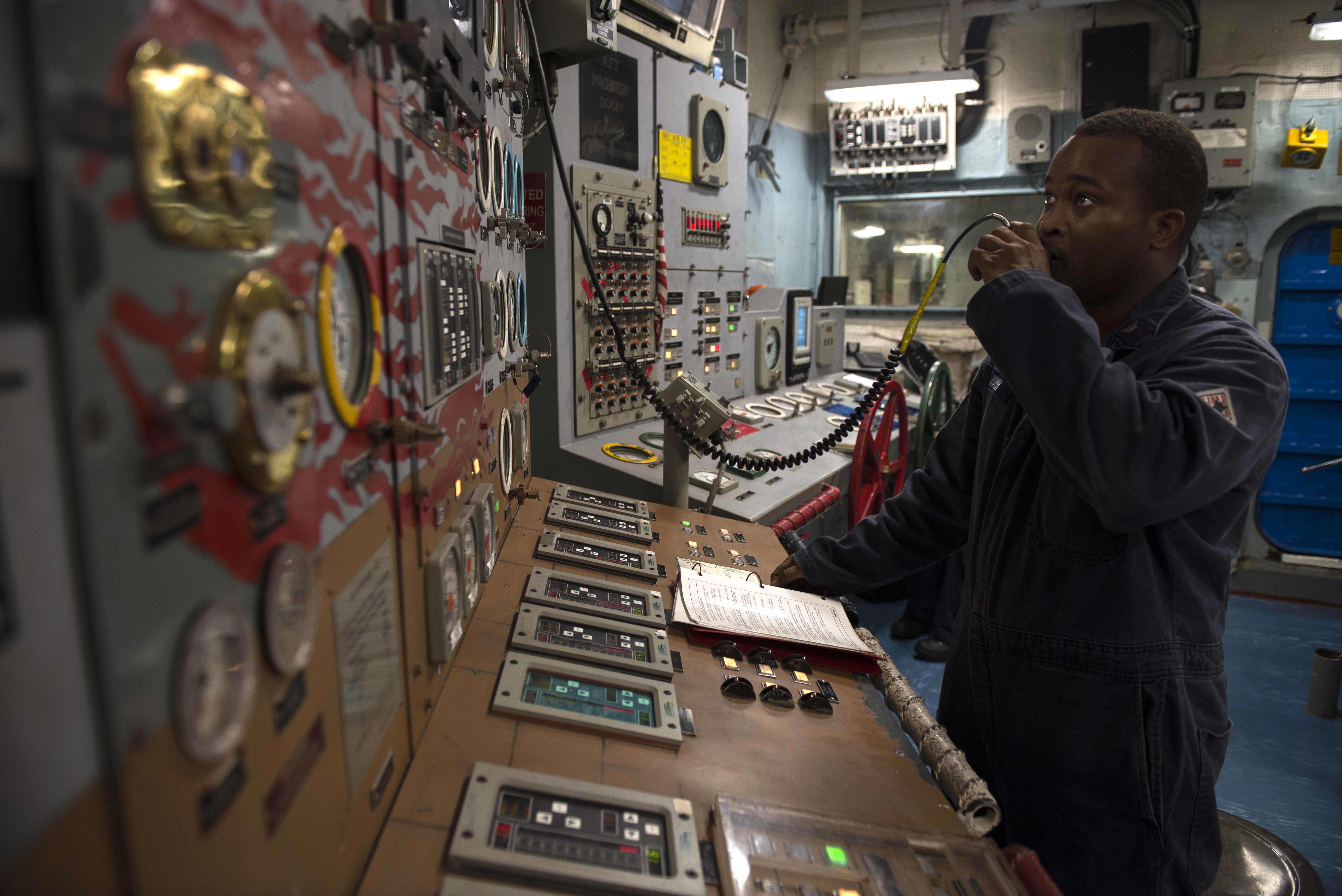
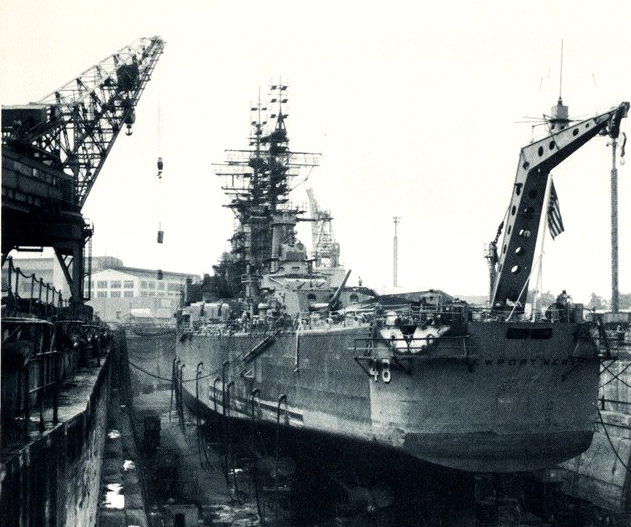
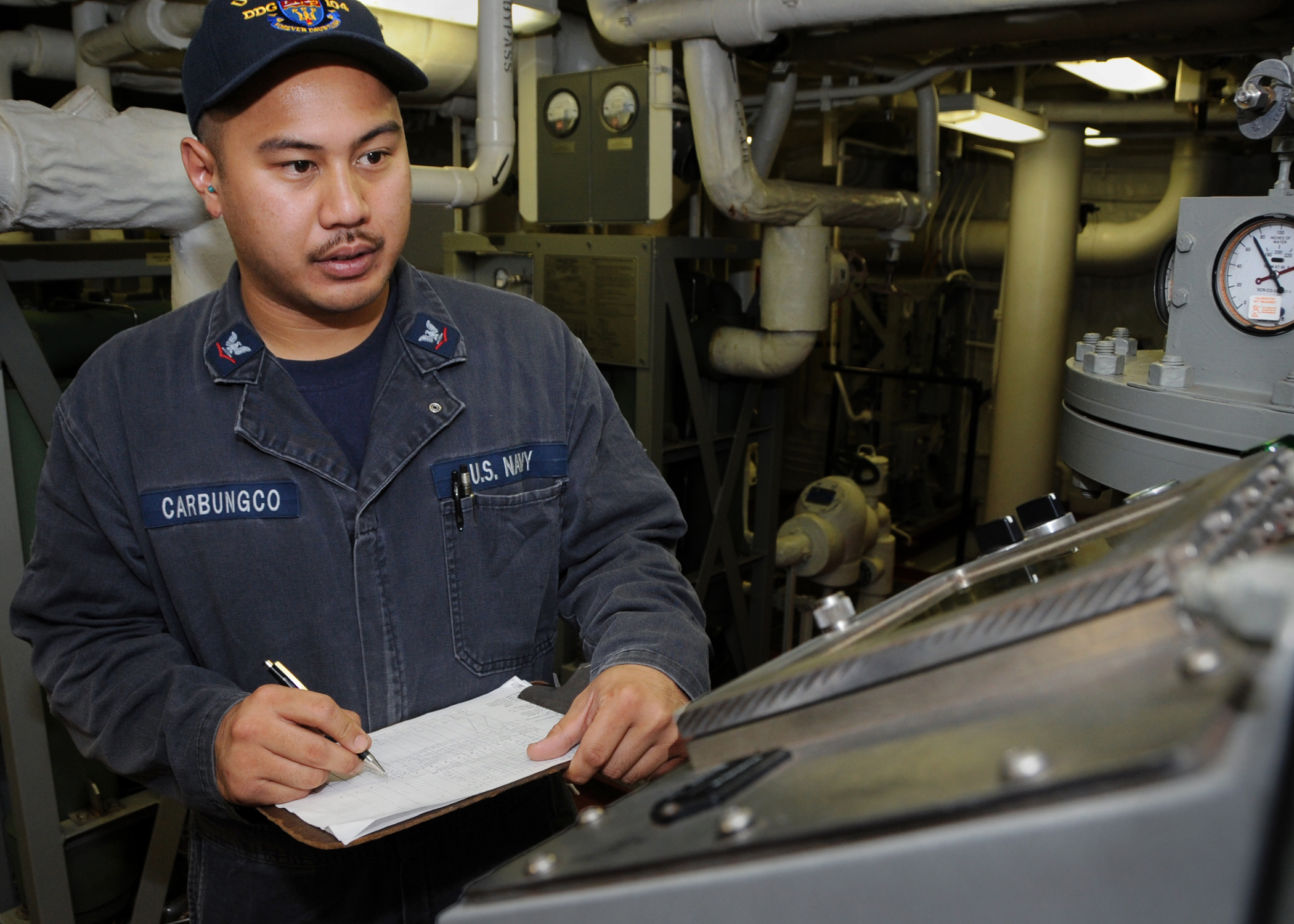
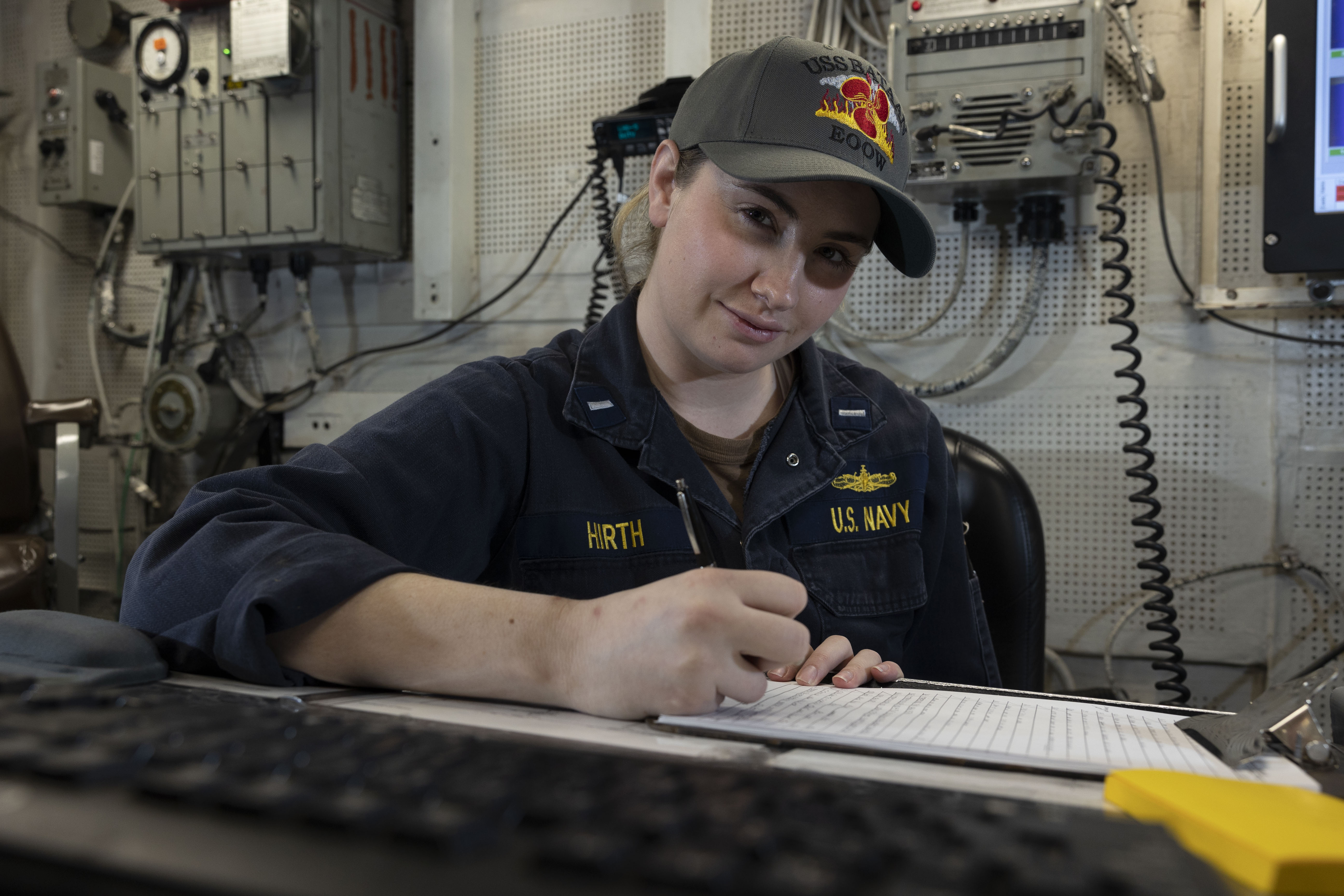
USS Ranger (CV-61), third ship of the Forrestal class aircraft carriers and one of the longest-serving conventional aircraft carriers in the Pacific Fleet, was commissioned at Newport News Shipbuilding in August 1957. Ranger served exclusively in the Pacific Fleet throughout her career, deploying repeatedly to the Western Pacific for Vietnam War combat operations — launching strikes against North Vietnam during multiple Westpac deployments — and for Cold War Pacific deterrence operations before her decommissioning in 1993. Ranger used a conventional steam propulsion plant of eight Babcock & Wilcox boilers and four sets of Westinghouse geared turbines, consistent with the Forrestal class design. Commissioned in 1957 during the peak asbestos use period in naval construction, Ranger incorporated extensive asbestos-containing boiler insulation, steam pipe insulation, turbine insulation, and hull construction materials throughout her engineering spaces and habitability spaces consistent with late 1950s naval construction specifications.
USS Ranger Steam Plant Asbestos
Ranger’s eight-boiler steam plant incorporated extensive asbestos throughout:
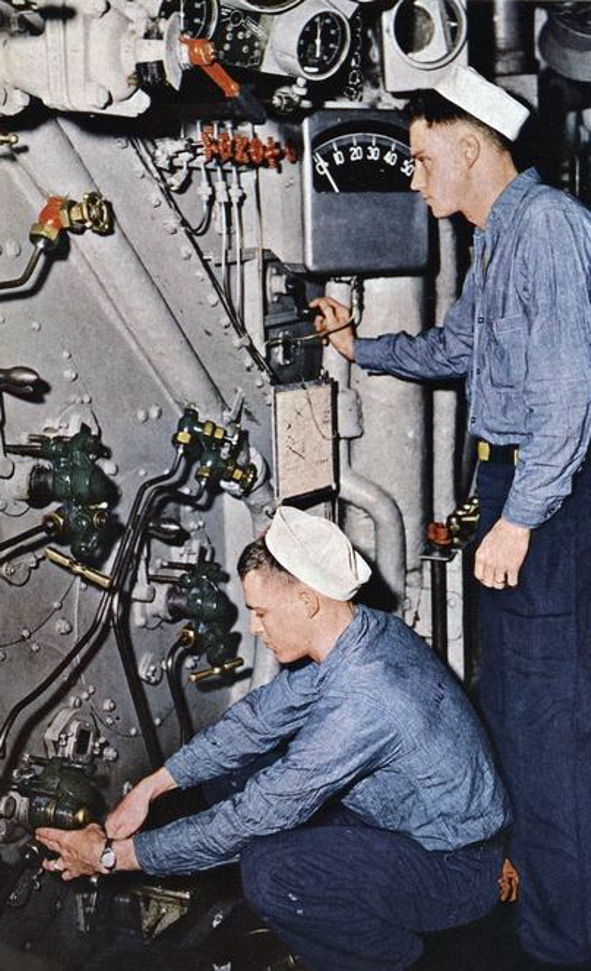
- Babcock & Wilcox boiler insulation — Ranger’s eight Babcock & Wilcox boilers were insulated with asbestos-containing boiler casing insulation, steam drum insulation, and firebox refractory materials consistent with late 1950s naval construction specifications. Boilermen working in Ranger’s eight firerooms accumulated asbestos exposure from the boiler insulation throughout Ranger’s 36-year service life
- High-pressure steam main pipe insulation — the high-pressure steam mains throughout Ranger’s engineering spaces incorporating asbestos-containing pipe insulation consistent with the late 1950s naval construction specifications. Machinist’s Mates and Boilermen working in Ranger’s machinery spaces encountered steam main insulation throughout the propulsion plant during normal operations and maintenance
- Main propulsion turbine insulation — Ranger’s four Westinghouse main propulsion turbine sets incorporated asbestos-containing turbine casing insulation consistent with late 1950s construction specifications. Machinist’s Mates performing turbine maintenance in Ranger’s machinery rooms worked in proximity to asbestos-containing turbine insulation
- Auxiliary steam system insulation — Ranger’s extensive auxiliary steam system serving catapult accumulators, aviation fuel heating, and auxiliary machinery throughout the ship incorporated asbestos-containing pipe insulation at auxiliary steam lines and connections
USS Ranger Hull Construction Asbestos
Ranger’s late 1950s construction incorporated asbestos throughout:
- Crew berthing and interior spaces — Ranger’s interior crew spaces were constructed using late 1950s naval construction specifications incorporating asbestos-containing floor tile, overhead insulation, and bulkhead construction materials. Ranger’s 5,000-plus complement lived and worked in spaces with asbestos-containing construction throughout the hull
- Aviation support spaces — Ranger’s hangar deck, aviation fuel storage and distribution, aviation ordnance handling rooms, and aviation maintenance spaces were constructed using late 1950s naval construction specifications incorporating asbestos-containing materials in the aviation support infrastructure
VA Claims for USS Ranger Veterans
VA presumptive service connection under 38 CFR § 3.309(d) covers asbestos exposure from Navy carrier steam plant service. Machinist’s Mates, Boilermen, and crew members who served aboard USS Ranger and have since been diagnosed with mesothelioma, asbestosis, or asbestos-related lung cancer may qualify for VA disability benefits.
The asbestos-containing products documented on U.S. Navy vessels and at shipyards are catalogued by manufacturer on AsbestosIndex. These records cross-reference which companies supplied which materials and to which facilities.
Navy Ratings Most Exposed to Asbestos Aboard Ranger
The U.S. Department of Veterans Affairs and the public asbestos litigation record document that the following Navy ratings worked routinely in spaces where ACM was installed, maintained, ripped out, and replaced:
VA Presumptive Benefits — No Filing Deadline
The U.S. Department of Veterans Affairs recognizes mesothelioma, asbestos-related lung cancer, asbestosis, and pleural disease as conditions presumed to be service-connected for Navy veterans with documented asbestos exposure under 38 CFR § 3.309(d). No statute of limitations applies to VA disability compensation claims.
Available benefits may include monthly disability compensation, Dependency & Indemnity Compensation (DIC) for surviving spouses, priority VA healthcare enrollment, and Special Monthly Compensation for severe cases. Parallel claims against the asbestos bankruptcy trust funds established by the manufacturers of these products do not reduce VA compensation.
How to file a VA disability claim: VA claims are filed directly with the U.S. Department of Veterans Affairs — not with a law firm. Start at VA.gov › Hazardous Materials Exposure, call 1‑800‑827‑1000, or get free help filing from a Veterans Service Organization: DAV, VFW, or American Legion.
VA Claims Guide on This Site › Compare: VA vs. Civil Lawsuit
Source notes: equipment-manifest entries (where shown) are sourced from public-record BUSHIPS (Bureau of Ships) documentation, NARA archives, and the public asbestos litigation record. Manufacturer attributions link to documented asbestos-product histories on AsbestosIndex.com where available. Nothing on this page constitutes medical or legal advice.