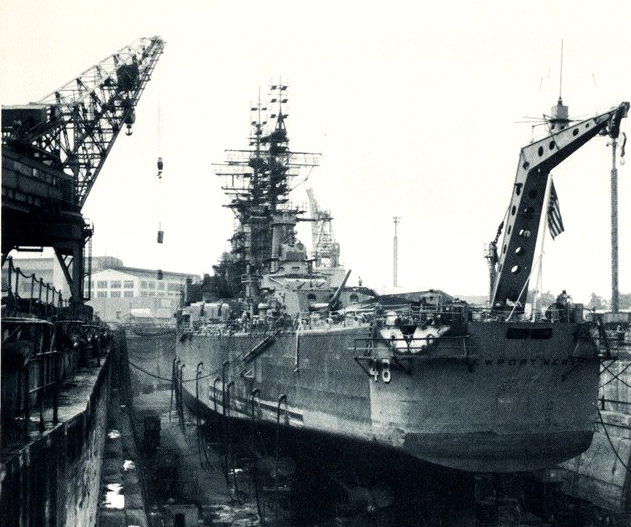
USS Midway (CV-41) — affectionately known throughout the fleet as the “Grand Old Lady” — was the lead ship of the Midway class of carriers, commissioned in September 1945 at the Newport News Shipbuilding and Dry Dock Company. Midway served for 47 years — longer than any other US carrier in history — and was the last surviving WWII-era aircraft carrier in active service when she decommissioned in 1992. Midway was homeported at NAS Alameda, California, and later served as the forward-deployed carrier at Yokosuka, Japan, conducting operations in every major post-WWII conflict era including the Gulf War (Operation Desert Storm, 1991). Now permanently berthed as a museum ship in San Diego. Midway’s extensive service created sustained asbestos exposure for successive generations of crew members.
Midway-Class Steam Plant Asbestos
Midway’s 1945 construction used asbestos throughout an extensive steam plant:
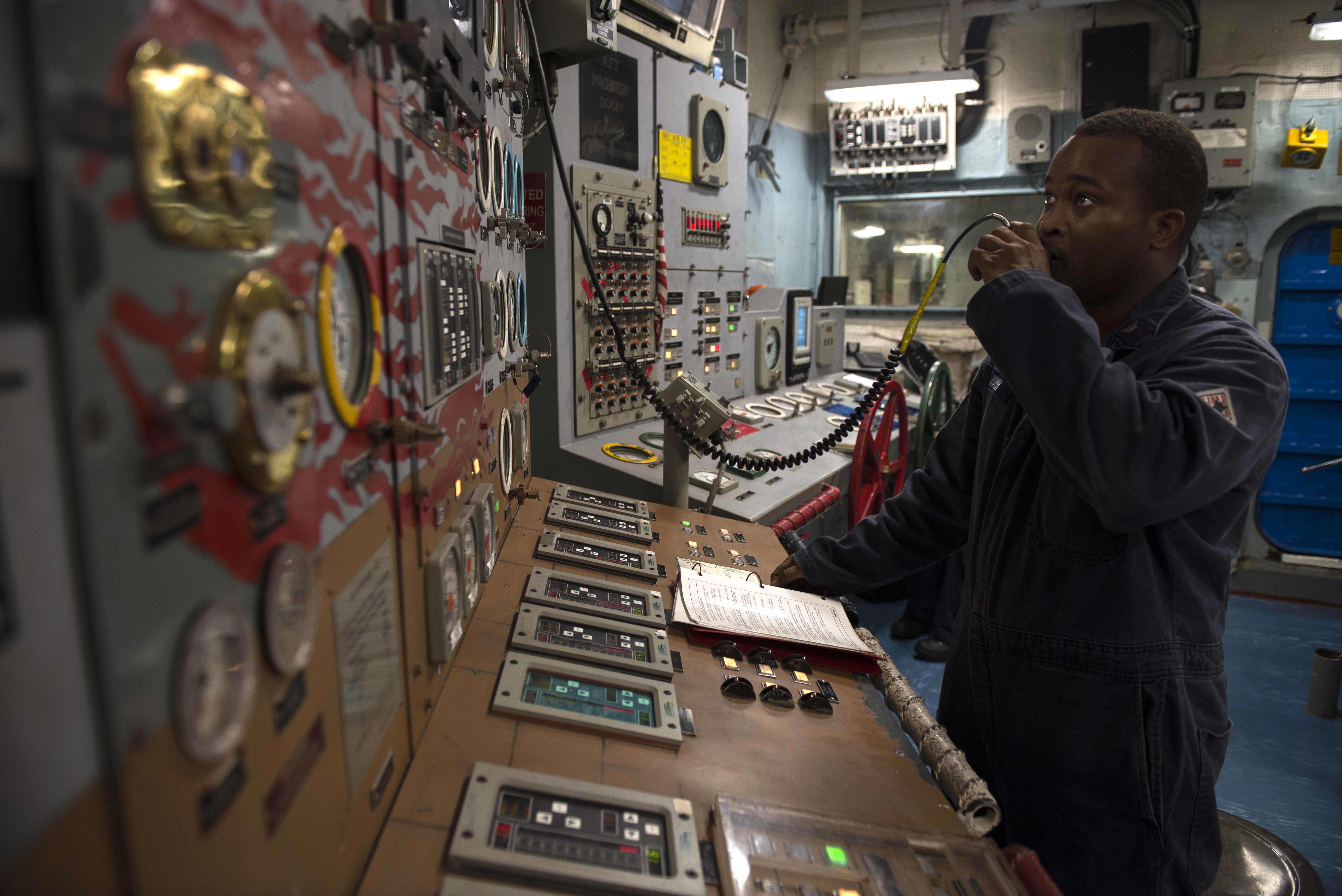
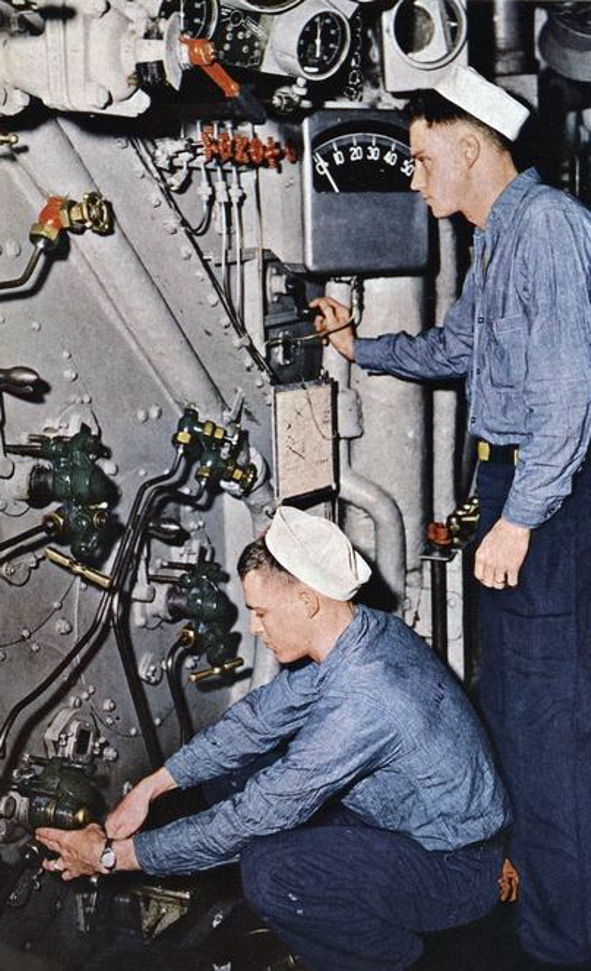
- Twelve-boiler plant — Midway’s twelve boilers were the largest boiler plant of any conventional carrier, providing the steam power for the larger, heavier Midway-class hull. All twelve boilers used asbestos lagging on exterior surfaces, asbestos refractory brick in combustion chambers, and asbestos sealing materials throughout six firerooms. The sheer volume of boiler plant asbestos aboard Midway exceeded that of any Essex-class carrier
- Main steam piping — the extensive main steam distribution piping from six firerooms to four enginerooms and to all auxiliary steam loads used asbestos magnesia pipe covering throughout the steam distribution system. The additional boiler capacity required proportionally more steam piping — and more asbestos pipe covering — than Essex-class carriers
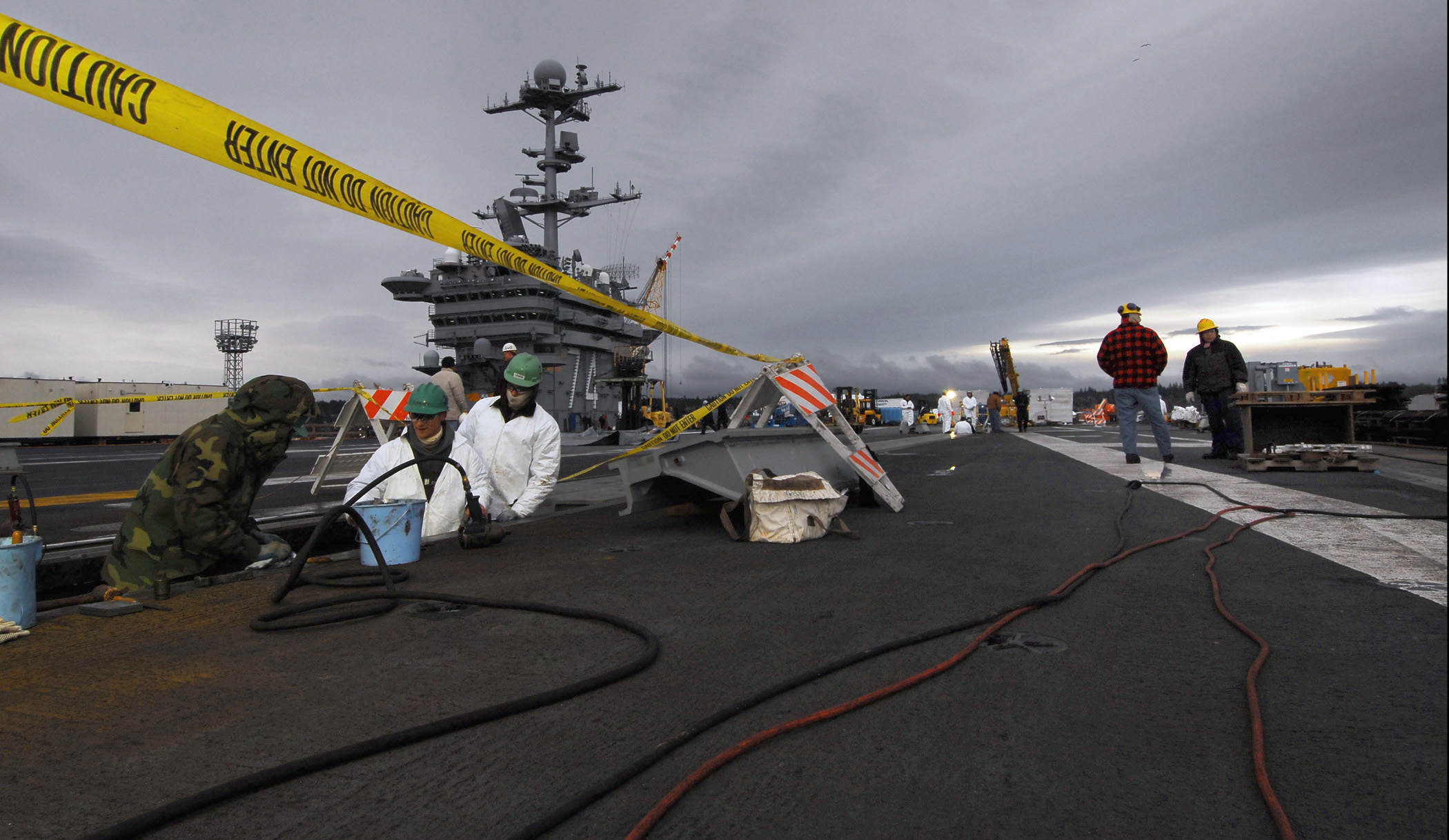
- Multiple overhaul periods — Midway underwent several major overhauls and modifications across her 47-year service life, including the Fiscal Year 1966-1970 modernization at Puget Sound Naval Shipyard. Each overhaul involved removal and reinstallation of asbestos pipe covering throughout the engineering spaces, with overhaul workers accumulating high asbestos exposure during the insulation removal phases
Extended Service Asbestos Exposure
Midway’s 47-year service created an exceptional breadth of crew asbestos exposure:
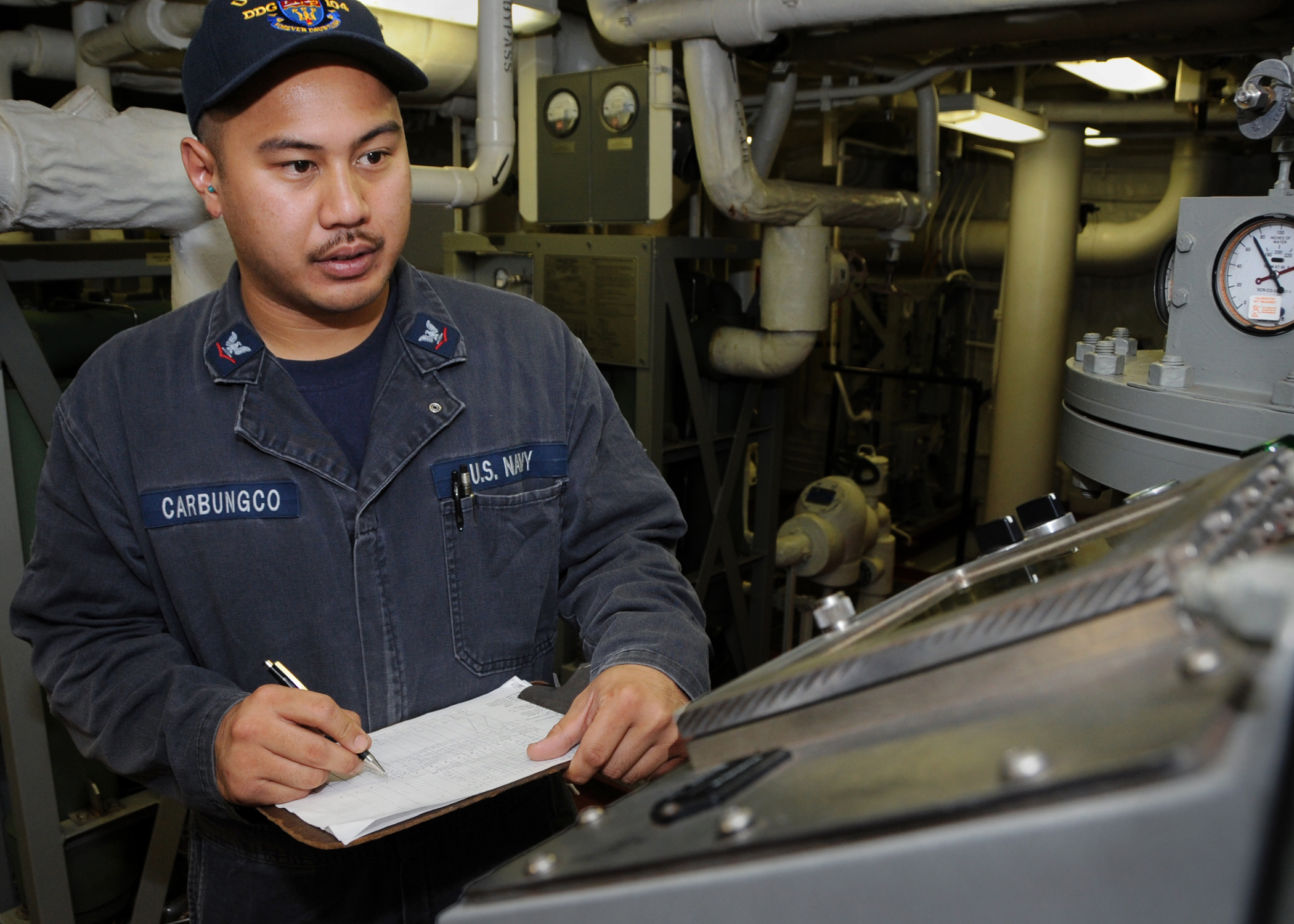
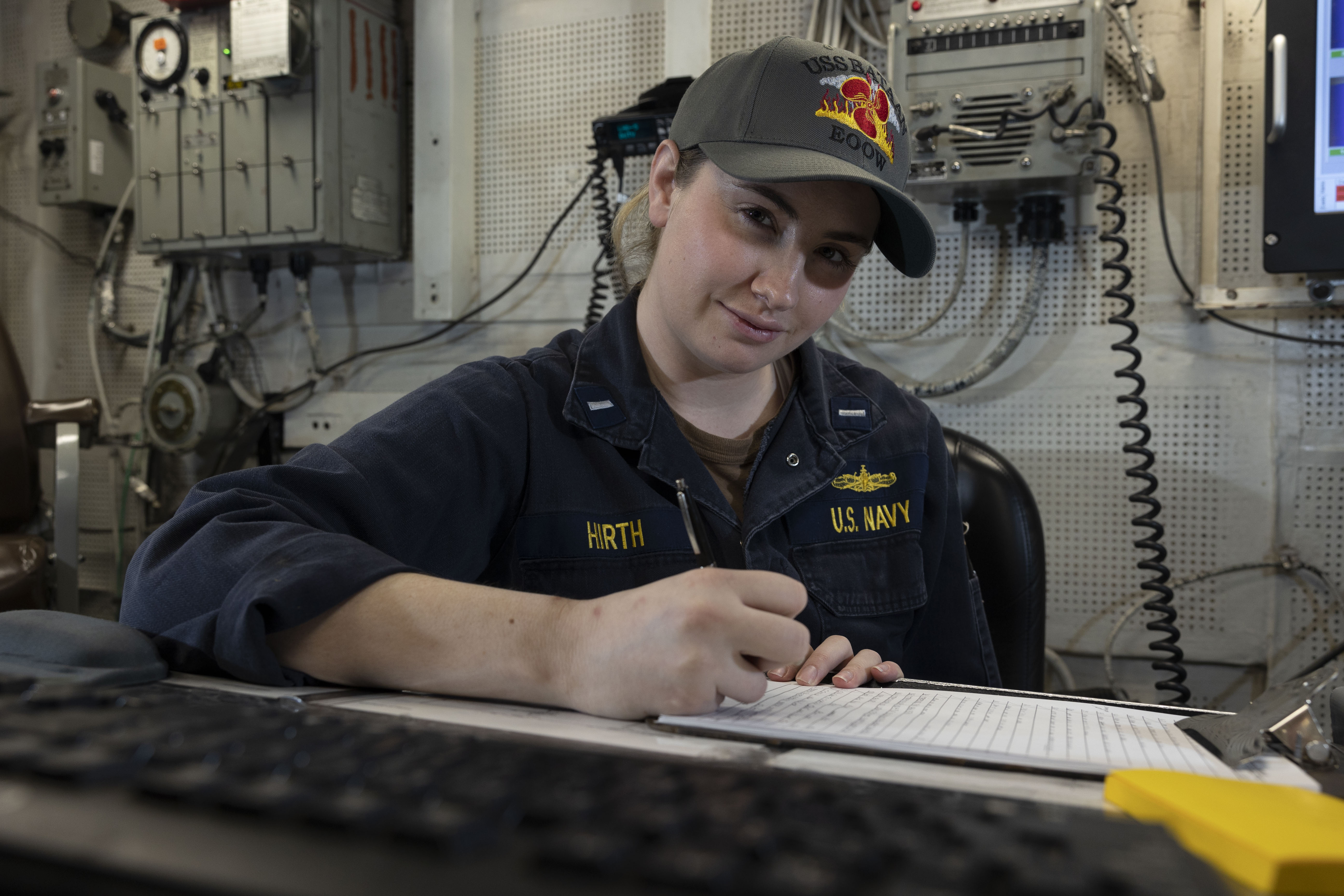
- Successive generations of BT, MM, and EM ratings served aboard Midway across her service from 1945 to 1992, with each generation working in the ship’s asbestos-containing engineering plant. The sheer duration of Midway’s service means that the number of Navy personnel with Midway asbestos exposure is substantially larger than for any other single carrier
VA Claims for USS Midway Veterans
VA evaluates asbestos-related disability claims on a case-by-case basis. Veterans generally need evidence of in-service asbestos exposure, a current asbestos-related diagnosis, and a medical link between them. Engineering ratings who served aboard USS Midway and have since been diagnosed with mesothelioma, asbestosis, or asbestos-related lung cancer may qualify for VA disability benefits.
The asbestos-containing products documented on U.S. Navy vessels and at shipyards are catalogued by manufacturer on AsbestosIndex. These records cross-reference which companies supplied which materials and to which facilities.
Navy Ratings Most Exposed to Asbestos Aboard Midway
The U.S. Department of Veterans Affairs and the public asbestos litigation record document that the following Navy ratings worked routinely in spaces where ACM was installed, maintained, ripped out, and replaced:
VA Disability Claims for Asbestos-Related Disease
The U.S. Department of Veterans Affairs evaluates asbestos claims individually. A veteran generally needs medical evidence of a current asbestos-related disease, service evidence supporting in-service asbestos exposure, and a medical opinion connecting the two. Ship assignments, Navy ratings, and equipment records can help document the exposure history but do not create automatic service connection.
Approved claims may provide monthly disability compensation and related benefits. Survivors may separately qualify for Dependency & Indemnity Compensation when the applicable requirements are met. Civil lawsuits and asbestos-trust claims use different standards; claimants should obtain individualized advice about how the processes interact.
How to file a VA disability claim: VA claims are filed directly with the U.S. Department of Veterans Affairs — not with a law firm. Start at VA.gov › Hazardous Materials Exposure, call 1‑800‑827‑1000, or get free help filing from a Veterans Service Organization: DAV, VFW, or American Legion.
VA Claims Guide on This Site › Compare: VA vs. Civil Lawsuit
Source notes: equipment-manifest entries (where shown) are sourced from public-record BUSHIPS (Bureau of Ships) documentation, NARA archives, and the public asbestos litigation record. Manufacturer attributions link to documented asbestos-product histories on AsbestosIndex.com where available. Nothing on this page constitutes medical or legal advice.