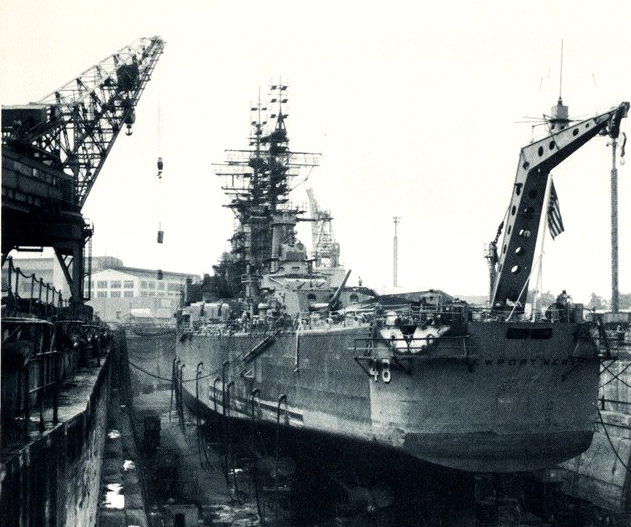
USS Iowa (BB-61), the lead ship of the Iowa class fast battleships and the only Iowa class battleship to serve in both the Atlantic and Pacific theaters during World War II, was commissioned at the New York Navy Yard in February 1943. Iowa provided direct escort for President Roosevelt’s Atlantic crossing to the Tehran Conference in 1943 and subsequently served in the Pacific theater, screening fast carrier task forces and providing shore bombardment. Iowa was modernized and recommissioned during the Korean War era and again during the 1980s Reagan-era battleship reactivation program, serving with the Sixth Fleet and later as part of the surface action group concept with Tomahawk land-attack missiles and Harpoon antiship missiles added during her 1984 recommissioning. Iowa’s propulsion plant — eight Babcock & Wilcox boilers generating steam for four sets of General Electric geared turbines driving four shafts — remained in service through multiple commission periods, accumulating layers of asbestos-containing materials from her WWII construction, her Korean War-era modernization, and her 1980s recommissioning refit work.
USS Iowa Steam Plant Asbestos
Iowa’s eight-boiler steam plant incorporated extensive asbestos throughout:
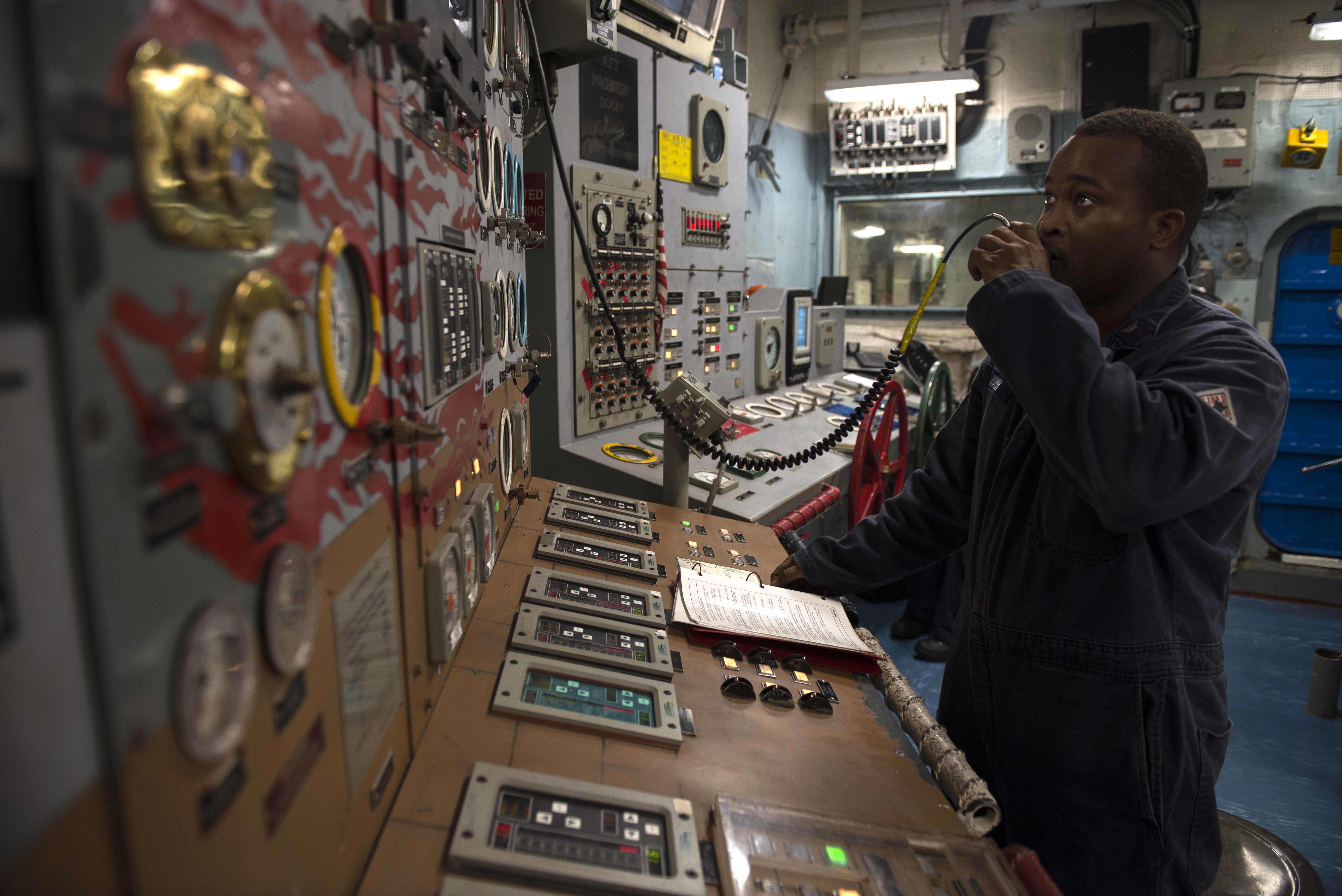
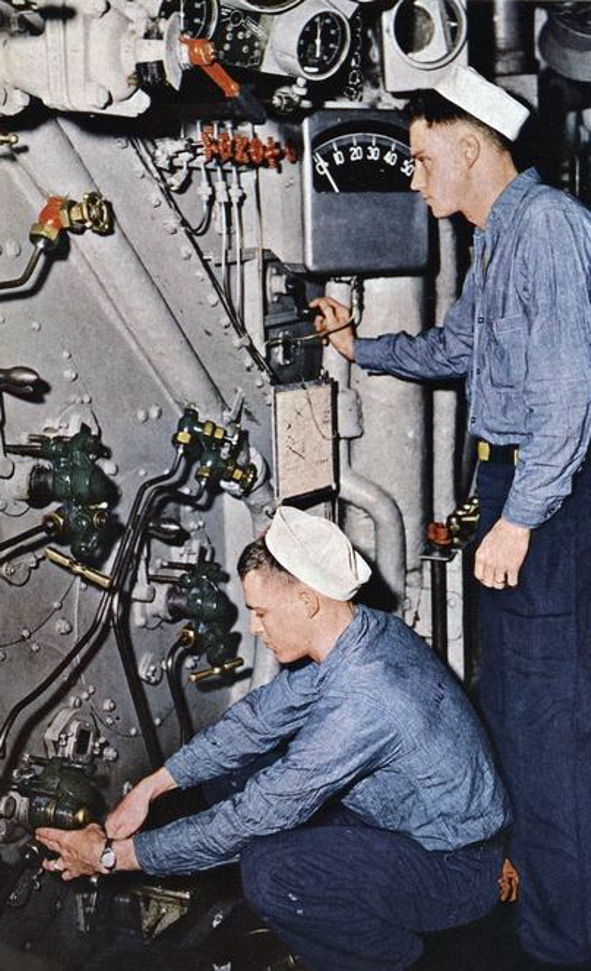
- Babcock & Wilcox boiler insulation — Iowa’s eight Babcock & Wilcox boilers were insulated with asbestos-containing boiler casing insulation, steam drum insulation, and firebox brick and refractory materials consistent with WWII naval construction specifications. Boilermen working in Iowa’s eight firerooms were exposed to asbestos-containing boiler insulation during normal boiler operation, boiler maintenance, and the periodic reboarding and reinsulation work performed during Iowa’s multiple recommissionings
- High-pressure steam main insulation — the high-pressure steam mains aboard Iowa carrying superheated steam from the boilers to the four turbine sets were insulated with asbestos-containing pipe insulation consistent with WWII naval construction. Machinist’s Mates and Boilermen working in Iowa’s machinery spaces encountered asbestos-containing steam main insulation throughout the propulsion plant
- Main propulsion turbine insulation — Iowa’s four General Electric main propulsion turbine sets were insulated with asbestos-containing turbine casing insulation consistent with WWII naval construction specifications. Machinist’s Mates performing turbine maintenance and inspections aboard Iowa worked in proximity to asbestos-containing turbine insulation throughout Iowa’s service life
- Auxiliary steam system insulation — the extensive auxiliary steam system aboard Iowa serving steam-powered auxiliary equipment throughout the ship incorporated asbestos-containing pipe insulation at auxiliary steam lines and auxiliary equipment connections throughout Iowa’s machinery spaces and throughout the ship
USS Iowa Hull Construction Asbestos
Iowa’s WWII construction incorporated asbestos throughout the hull:
- Crew berthing and living space construction — Iowa’s crew berthing areas and living spaces were constructed using WWII naval construction specifications incorporating asbestos-containing floor tile, overhead insulation, and bulkhead materials. Iowa’s large crew complement — over 1,900 officers and enlisted men during WWII service — lived and worked in spaces incorporating asbestos-containing construction materials throughout her hull
- Turret and gun battery spaces — the main battery turret spaces and secondary battery spaces aboard Iowa were constructed using WWII naval construction specifications and incorporated asbestos-containing construction materials in the turret working chambers and handling rooms where gun crews worked during battle stations
- 1984 reactivation new construction — Iowa’s 1984 recommissioning refit at Avondale Shipyard incorporated new construction for the Tomahawk and Harpoon launcher installations, new electronics and combat systems spaces, and modernized crew accommodations. Construction materials used in Iowa’s 1984 refit reflect the transitional construction specifications of the mid-1980s period
VA Claims for USS Iowa Veterans
VA evaluates asbestos-related disability claims on a case-by-case basis. Veterans generally need evidence of in-service asbestos exposure, a current asbestos-related diagnosis, and a medical link between them. Machinist’s Mates, Boilermen, and crew members who served aboard USS Iowa and have since been diagnosed with mesothelioma, asbestosis, or asbestos-related lung cancer may qualify for VA disability benefits.
The asbestos-containing products documented on U.S. Navy vessels and at shipyards are catalogued by manufacturer on AsbestosIndex. These records cross-reference which companies supplied which materials and to which facilities.
Navy Ratings Most Exposed to Asbestos Aboard Iowa
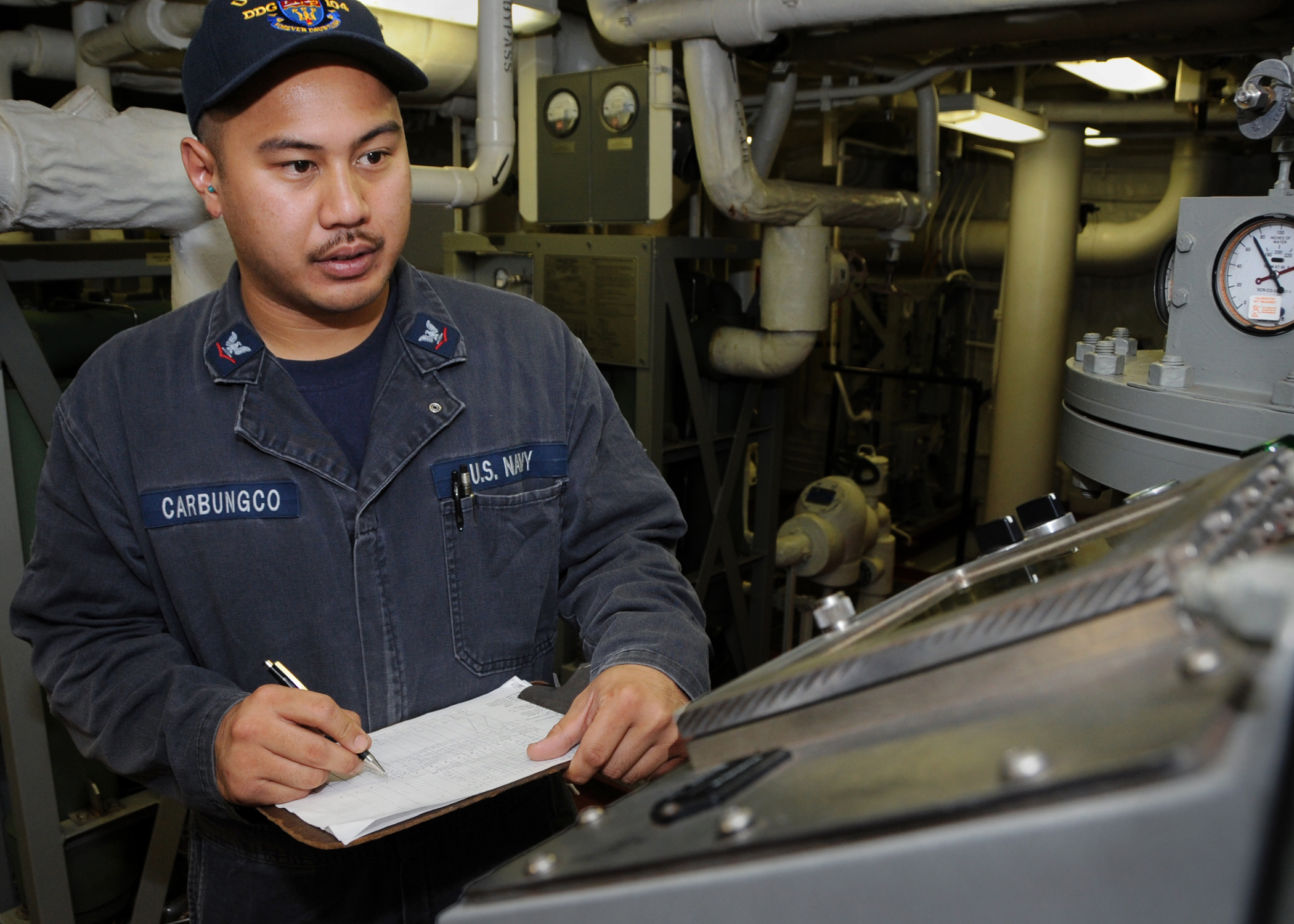
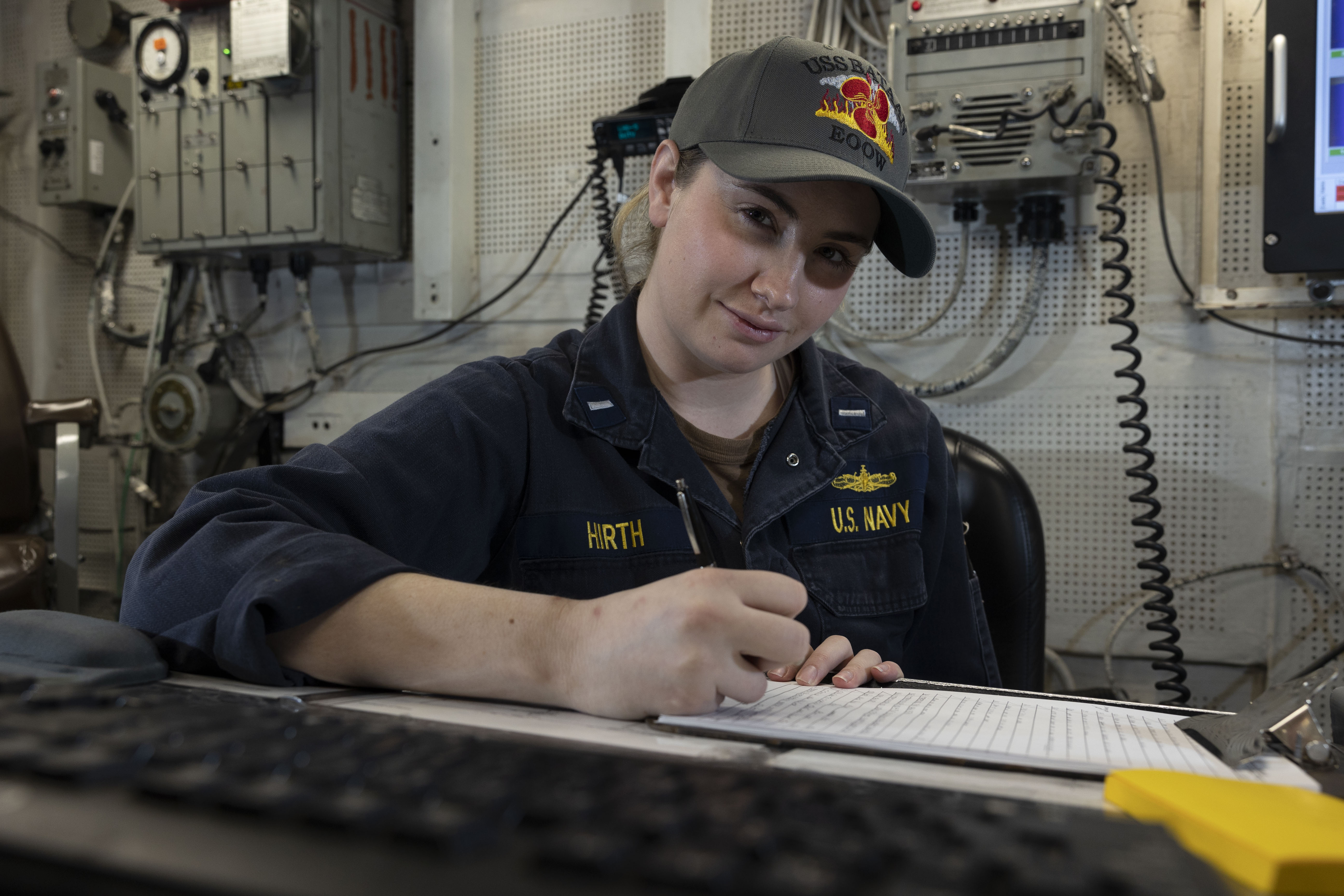
The U.S. Department of Veterans Affairs and the public asbestos litigation record document that the following Navy ratings worked routinely in spaces where ACM was installed, maintained, ripped out, and replaced:
VA Disability Claims for Asbestos-Related Disease
The U.S. Department of Veterans Affairs evaluates asbestos claims individually. A veteran generally needs medical evidence of a current asbestos-related disease, service evidence supporting in-service asbestos exposure, and a medical opinion connecting the two. Ship assignments, Navy ratings, and equipment records can help document the exposure history but do not create automatic service connection.
Approved claims may provide monthly disability compensation and related benefits. Survivors may separately qualify for Dependency & Indemnity Compensation when the applicable requirements are met. Civil lawsuits and asbestos-trust claims use different standards; claimants should obtain individualized advice about how the processes interact.
How to file a VA disability claim: VA claims are filed directly with the U.S. Department of Veterans Affairs — not with a law firm. Start at VA.gov › Hazardous Materials Exposure, call 1‑800‑827‑1000, or get free help filing from a Veterans Service Organization: DAV, VFW, or American Legion.
VA Claims Guide on This Site › Compare: VA vs. Civil Lawsuit
Source notes: equipment-manifest entries (where shown) are sourced from public-record BUSHIPS (Bureau of Ships) documentation, NARA archives, and the public asbestos litigation record. Manufacturer attributions link to documented asbestos-product histories on AsbestosIndex.com where available. Nothing on this page constitutes medical or legal advice.