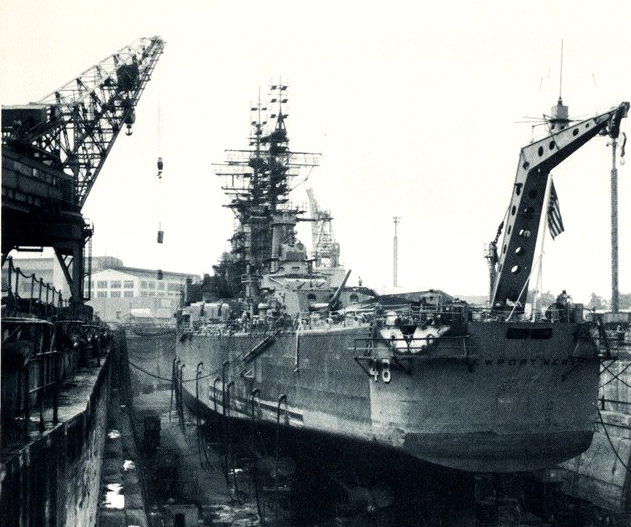
USS Harry E. Yarnell (CG-17) is documented in the public U.S. Navy asbestos litigation record. A ship-specific BUSHIPS equipment manifest has not yet been published for this vessel in our records.
The standard asbestos-containing materials documented aboard U.S. Navy vessels of this era, the Navy ratings most exposed during normal duty, and the VA asbestos-claims framework are listed below and apply to any sailor who served in an engineering, hull, or damage-control rate aboard a Navy ship of this period.
📝 Researching this vessel? Browse our › complete catalogue of verified ship equipment manifests — 651 vessels with documented BUSHIPS machinery and manufacturer attribution.
Leahy-class cruiser — Class Background
Ship-specific service history is not available for this vessel in public records. The class-level information below applies to all ships in her class. Source: Wikipedia — Leahy-class cruiser
Leahy-class cruisers were a class of guided-missile cruisers built for the United States Navy. They were originally designated as Destroyer Leaders (DLG), but in the 1975 cruiser realignment they were reclassified as guided-missile cruisers (CG). They were a new "double-ender" class fitted with Terrier (later Standard ER) missile launchers fore and aft, and the first and only frigate class designed without a main gun battery for shore bombardment or ship-vs.-ship engagements—the gun armament was reduced in order to carry a larger missile load. One of the principal missions of these ships, like their predecessors the Farragut class, was to form part of the anti-air and antisubmarine screen for carrier task forces, while also controlling aircraft from the carrier by providing vectors to assi
Class Overview
- Construction Era
- 1967s
- Service Era
- 1967–1995
Class Mission & Role
Leahy-class cruisers were a class of guided-missile cruisers built for the United States Navy. They were originally designated as Destroyer Leaders (DLG), but in the 1975 cruiser realignment they were reclassified as guided-missile cruisers (CG). They were a new "double-ender" class fitted with Terrier (later Standard ER) missile launchers fore and aft, and the first and only frigate class designed without a main gun battery for shore bombardment or ship-vs.-ship engagements—the gun armament was
Primary Builders
- Bath Iron Works
- New York Shipbuilding
- Philadelphia Naval Shipyard
- Puget Sound Naval Shipyard
- San Francisco Naval Shipyard
Asbestos Materials in this Class
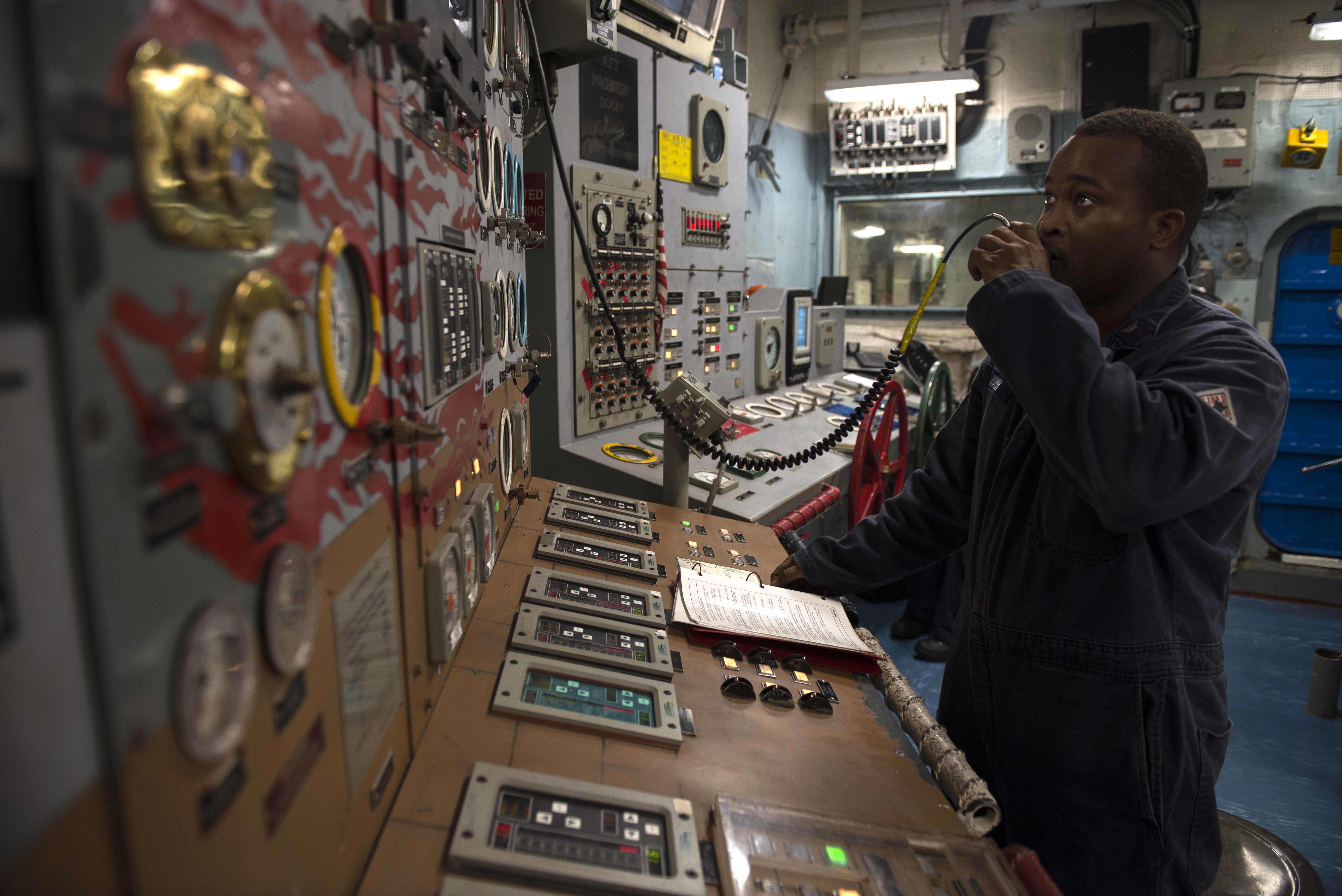
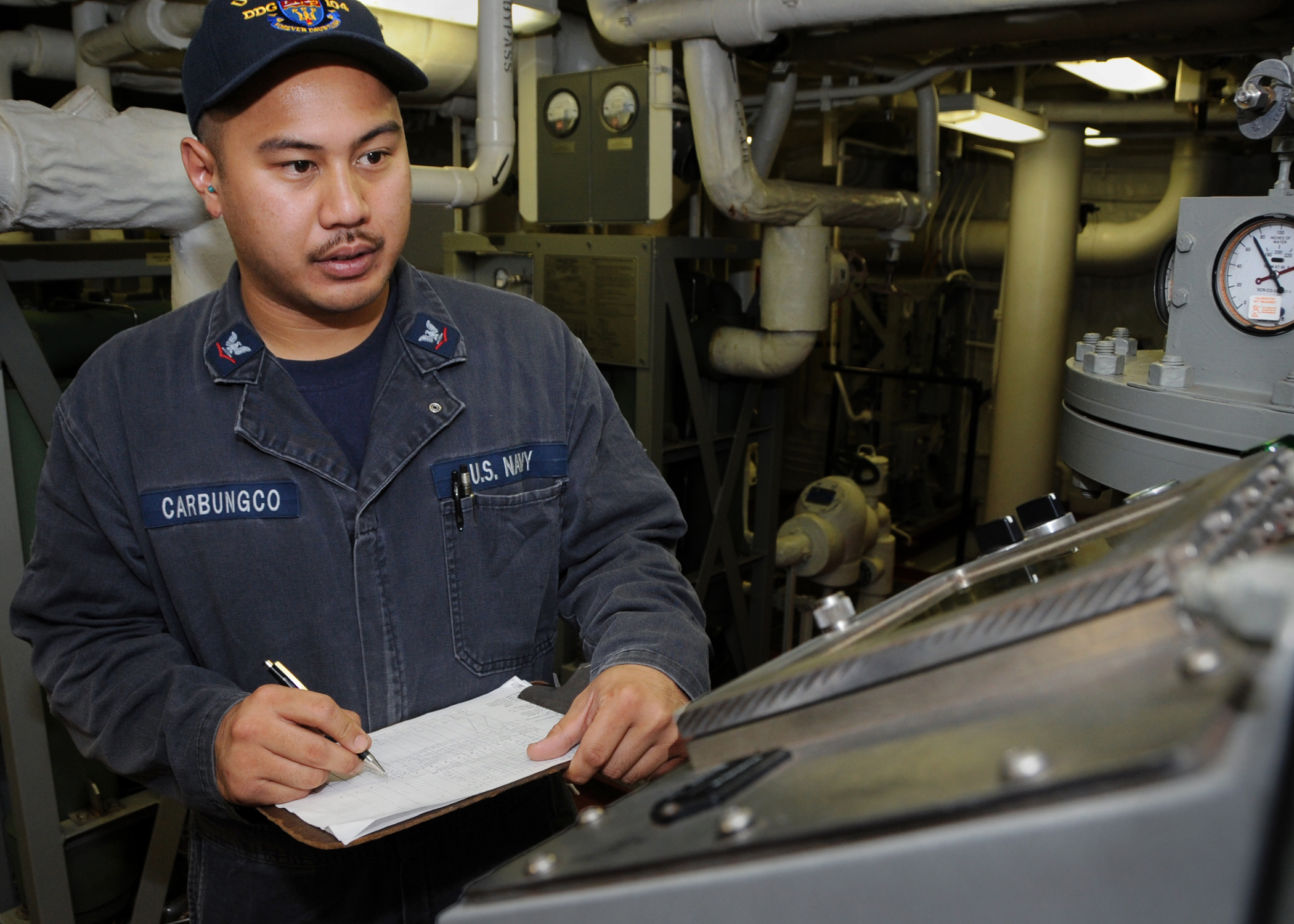
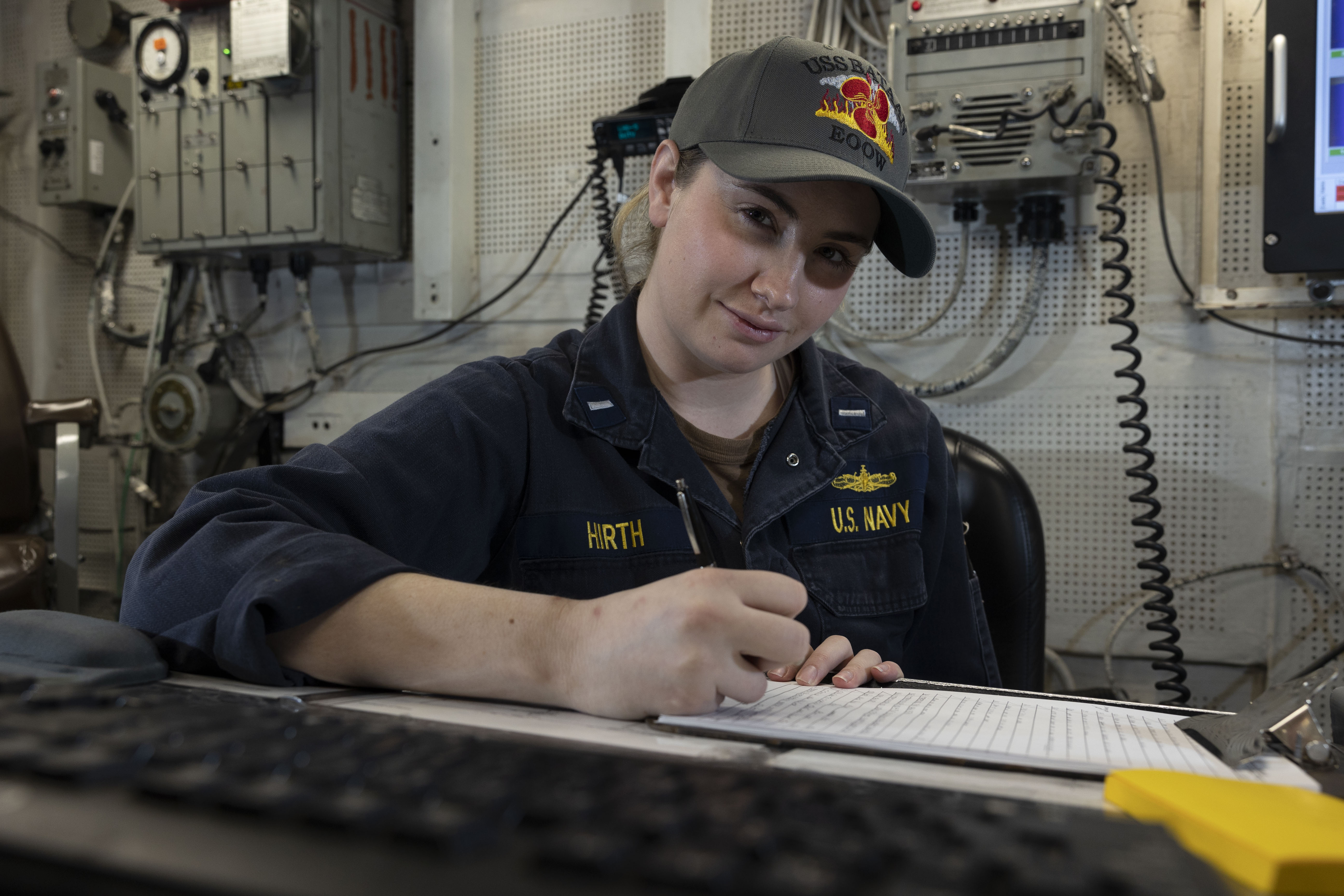
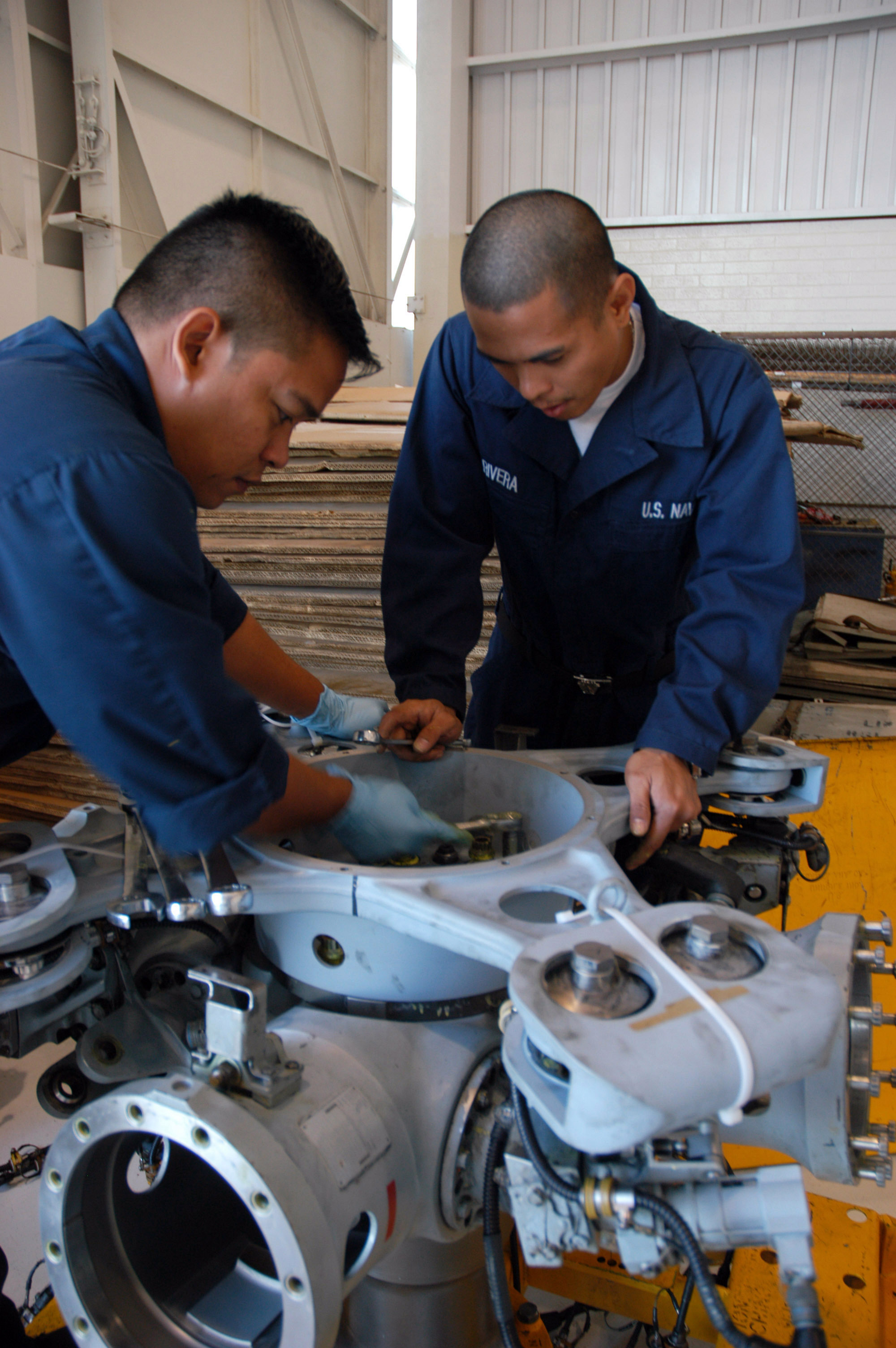
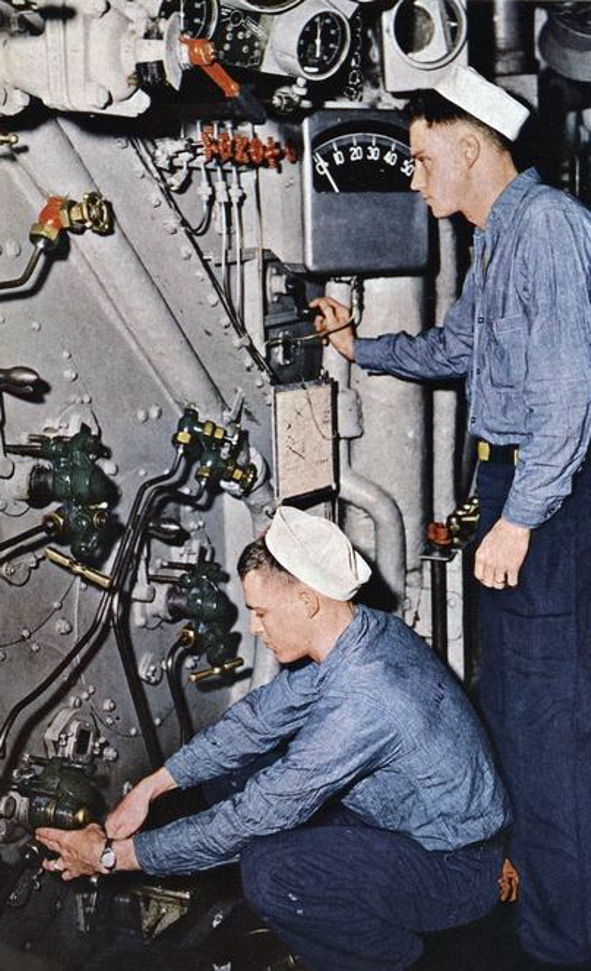
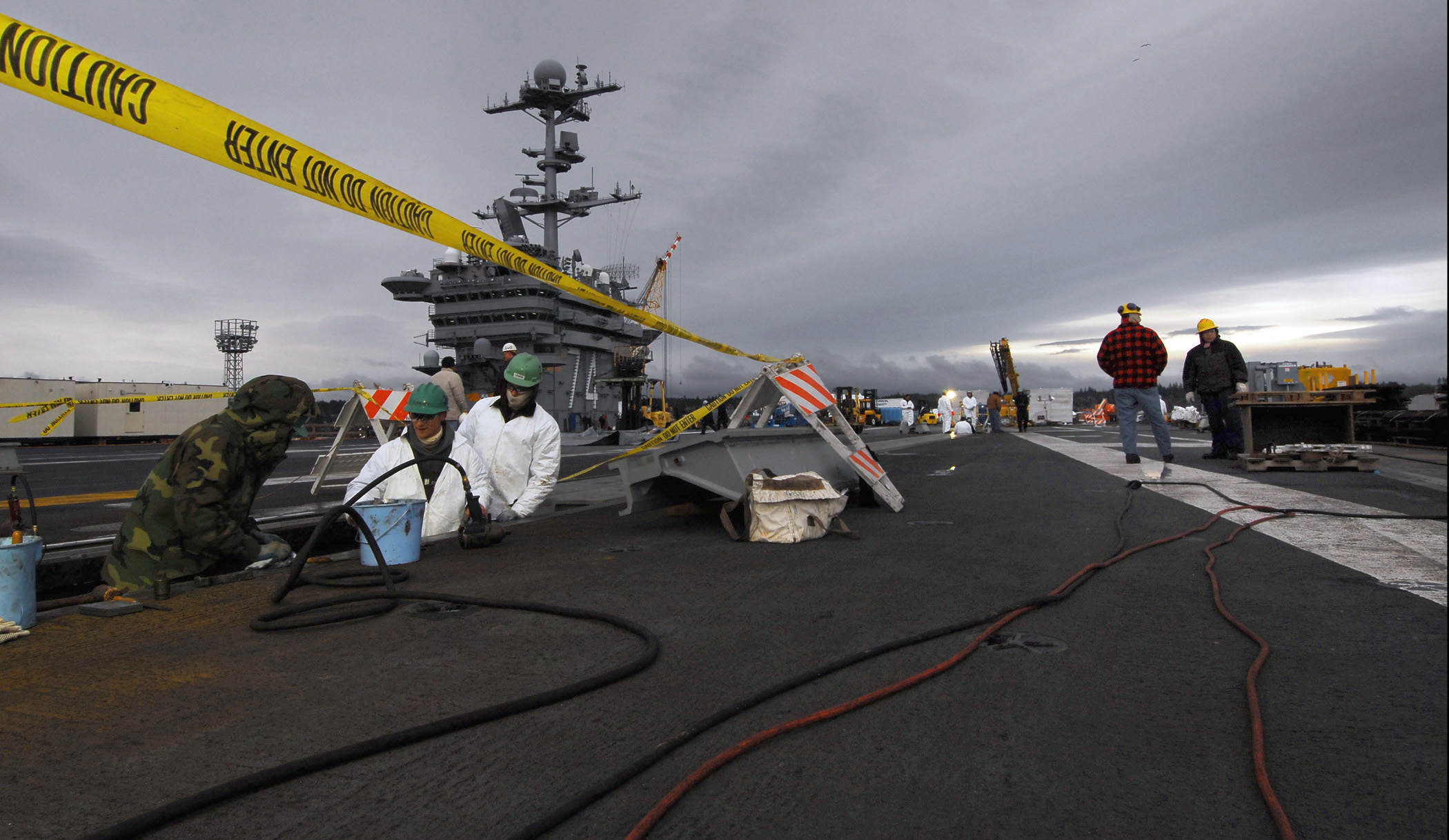
Ships of the Leahy-class cruiser were built during the era when asbestos was standard in U.S. Navy insulation systems — wrapping on steam lines, boiler lagging, turbine casings, gaskets, brake/clutch friction materials, and electrical components. Sailors in MM, BT, HT, EN, EM, and IC ratings encountered these materials during routine watchstanding, ship-overhaul yard periods, and damage-control work.
VA Benefits for USS Harry E. Yarnell CG (CG-17) Veterans
USS Harry E. Yarnell CG (CG-17) veterans with mesothelioma, asbestos-related lung cancer, asbestosis, or pleural disease may qualify for VA disability compensation when evidence shows in-service asbestos exposure, a current diagnosis, and a medical link between them. DLG/CG class veterans who served in engineering, hull, or damage-control ratings may qualify based on the named DLG class documentation, individual vessel identification, and Navy specification records.
Free, confidential case evaluation: Speak with O’Brien Law Firm — (314) 237-6461
Documented asbestos records derived from publicly filed asbestos litigation addressing DLG-class destroyer leaders and guided missile cruisers. This does not constitute legal or medical advice.
The asbestos-containing products documented on U.S. Navy vessels and at shipyards are catalogued by manufacturer on AsbestosIndex. These records cross-reference which companies supplied which materials and to which facilities.
Navy Ratings Most Exposed to Asbestos Aboard Harry E. Yarnell CG
The U.S. Department of Veterans Affairs and the public asbestos litigation record document that the following Navy ratings worked routinely in spaces where ACM was installed, maintained, ripped out, and replaced:
VA Disability Claims for Asbestos-Related Disease
The U.S. Department of Veterans Affairs evaluates asbestos claims individually. A veteran generally needs medical evidence of a current asbestos-related disease, service evidence supporting in-service asbestos exposure, and a medical opinion connecting the two. Ship assignments, Navy ratings, and equipment records can help document the exposure history but do not create automatic service connection.
Approved claims may provide monthly disability compensation and related benefits. Survivors may separately qualify for Dependency & Indemnity Compensation when the applicable requirements are met. Civil lawsuits and asbestos-trust claims use different standards; claimants should obtain individualized advice about how the processes interact.
How to file a VA disability claim: VA claims are filed directly with the U.S. Department of Veterans Affairs — not with a law firm. Start at VA.gov › Hazardous Materials Exposure, call 1‑800‑827‑1000, or get free help filing from a Veterans Service Organization: DAV, VFW, or American Legion.
VA Claims Guide on This Site › Compare: VA vs. Civil Lawsuit
Source notes: equipment-manifest entries (where shown) are sourced from public-record BUSHIPS (Bureau of Ships) documentation, NARA archives, and the public asbestos litigation record. Manufacturer attributions link to documented asbestos-product histories on AsbestosIndex.com where available. Nothing on this page constitutes medical or legal advice.