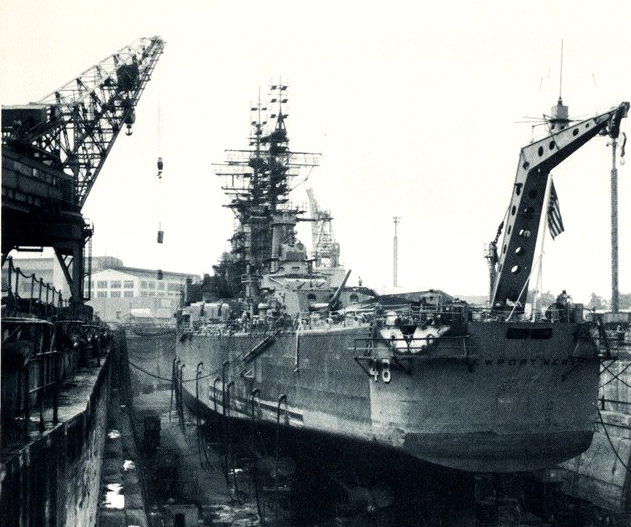
USS Enterprise (CVN-65) was commissioned in November 1961 at Newport News Shipbuilding as the world’s first nuclear-powered aircraft carrier and the largest ship in the world at the time of her commissioning. Enterprise was powered by eight Westinghouse A2W pressurized water reactors generating secondary steam for propulsion turbines and ship services, providing unlimited range and sustained high-speed capability. Enterprise served for 51 years — the longest service of any Navy carrier — conducting seven Vietnam War combat deployments and Cold War deployments until her inactivation in 2012 and subsequent scrapping. Enterprise’s early-construction secondary steam systems used asbestos insulation consistent with 1961-era construction.
Eight-Reactor Nuclear Power Plant and Asbestos
USS Enterprise’s eight A2W reactor plants generated secondary steam for propulsion and ship services:
- Secondary steam system insulation — the secondary steam circuit carrying steam from eight steam generators to propulsion turbines and ship service turbine generators used asbestos pipe covering and insulation on secondary steam piping in the early-1960s construction era when Enterprise was built. The large scale of Enterprise’s eight-reactor plant — with the secondary steam circuits from eight separate reactor plants — meant an extensive secondary steam piping system with asbestos insulation in the 1961-era construction
- Ship service steam distribution — the auxiliary steam distribution system serving hotel loads throughout the carrier — laundry, galley, HVAC heating — used asbestos-insulated steam supply piping in Enterprise’s 1961-era construction
- Turbine casing insulation — main propulsion turbine casings and ship service turbine generator casings had asbestos insulation on turbine external surfaces in early-1960s construction
Nuclear Engineering Watch Stations
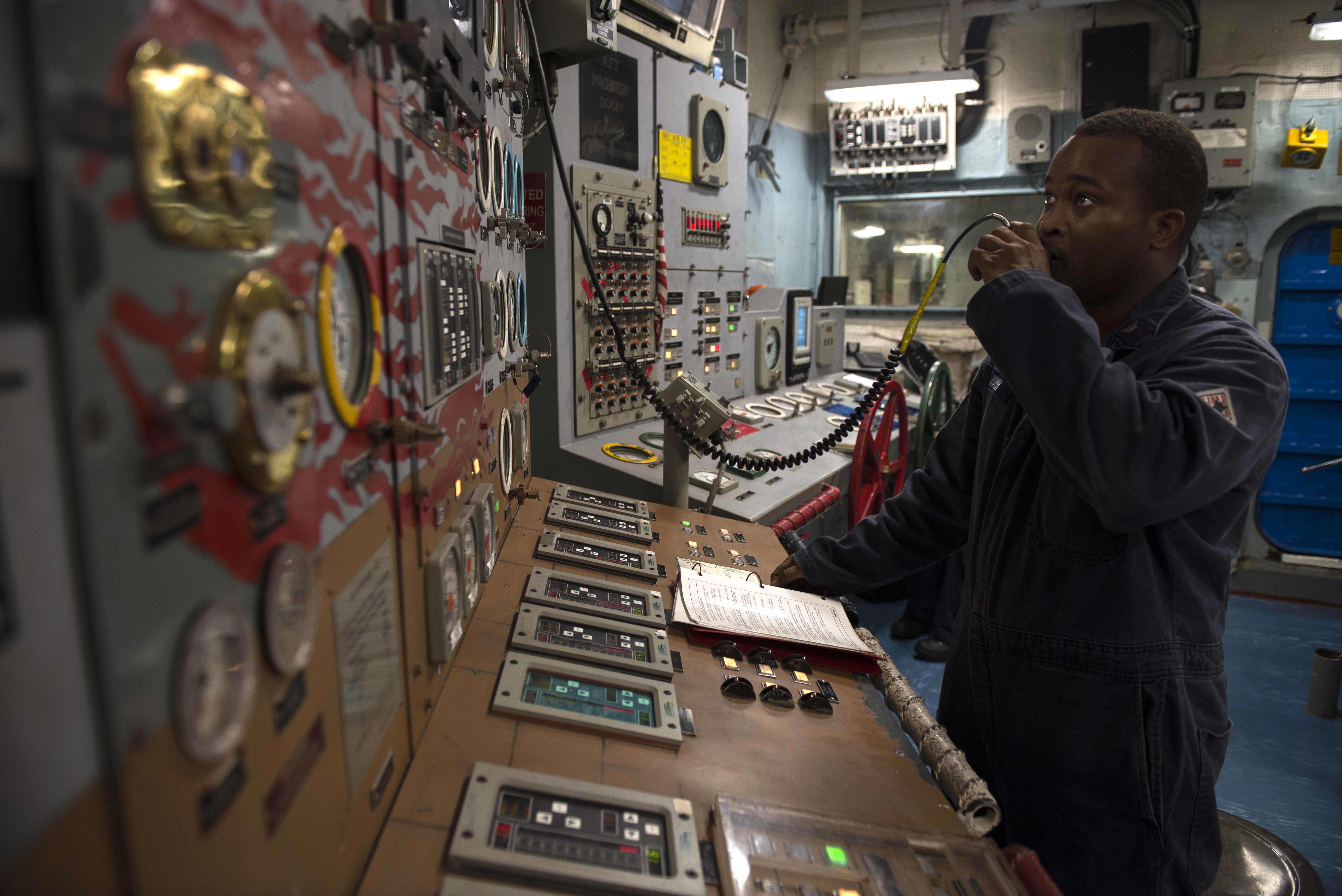
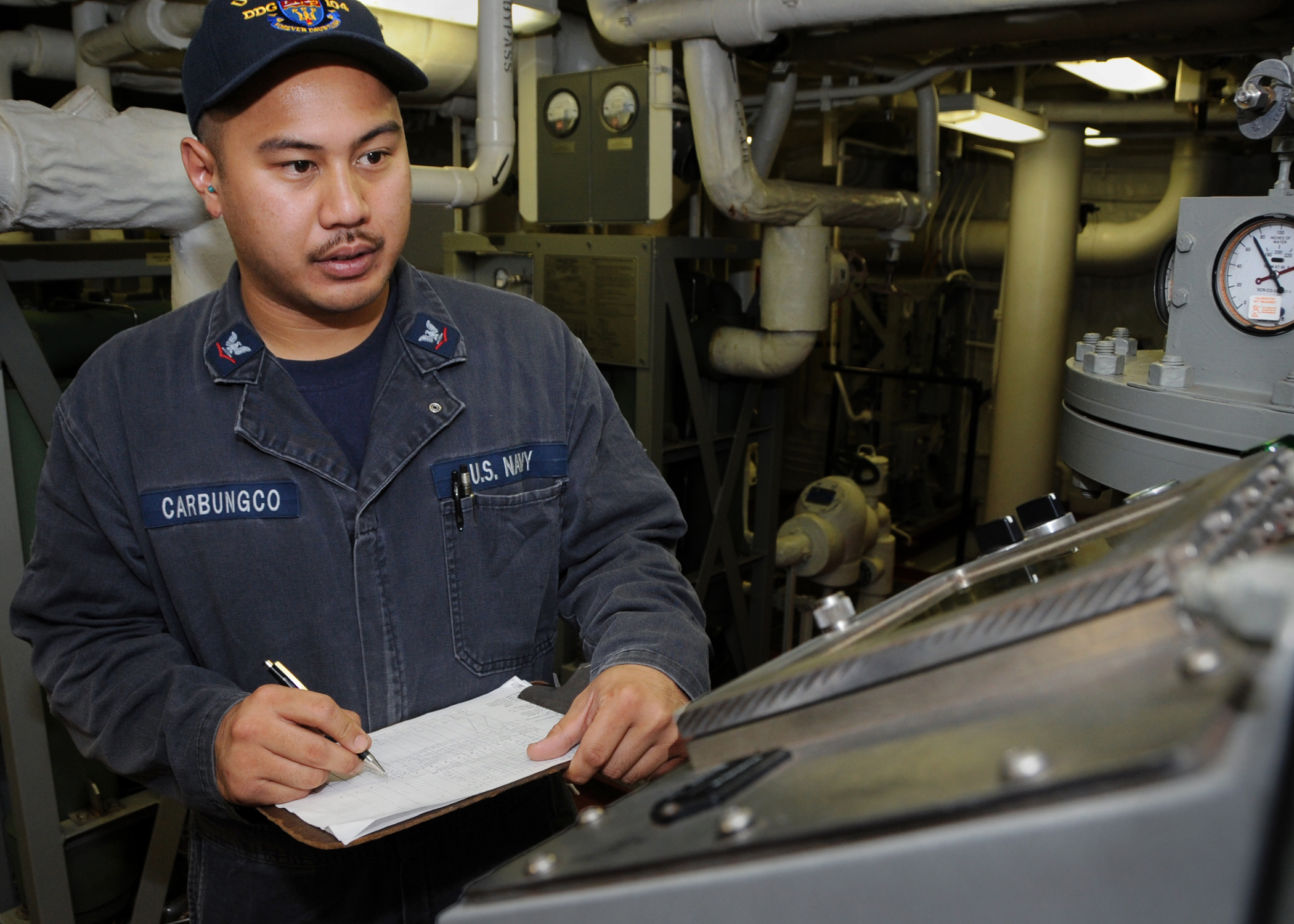
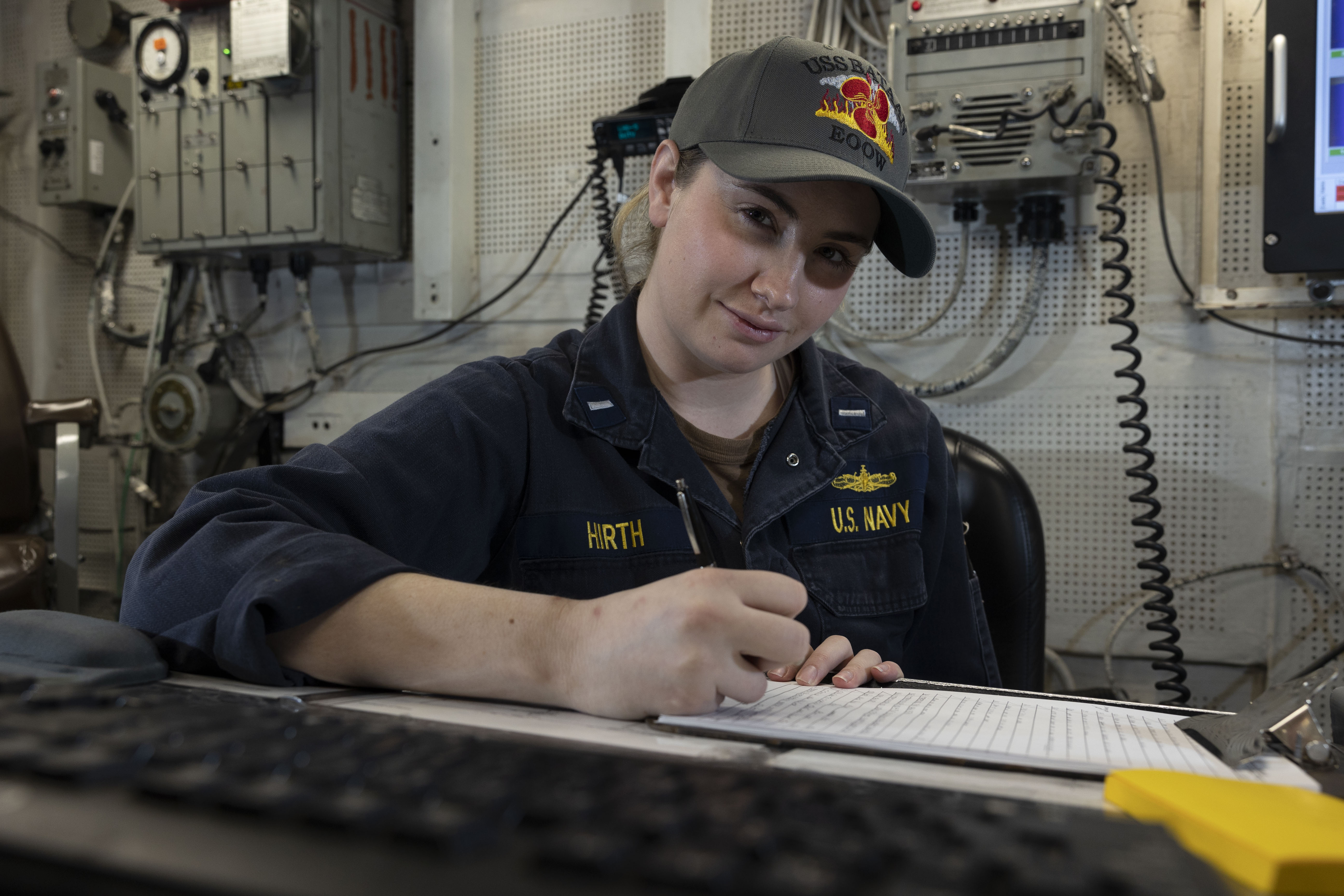
Nuclear-qualified Machinist’s Mates and Electrician’s Mates stood engineering watches in Enterprise’s nuclear engineering spaces throughout her deployments:
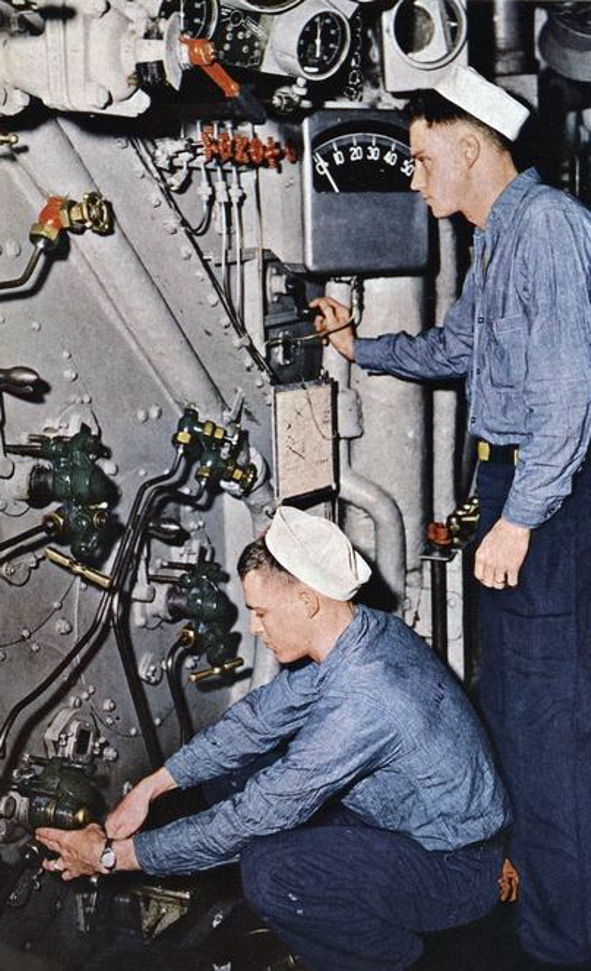
- The eight-reactor plant required a large nuclear engineering watch section, with nuclear-qualified ratings standing continuous watch rotations in the engineering spaces during all underway periods. The scale of Enterprise’s nuclear plant — eight reactor compartments — meant extended daily watch coverage in nuclear engineering spaces containing asbestos-insulated secondary steam components in her early-construction configuration
- Vietnam War combat deployments placed Enterprise’s nuclear engineering watch sections in sustained high-tempo engineering operations during extended combat periods at Yankee Station in the Gulf of Tonkin
Vietnam War Combat Service
USS Enterprise conducted seven Vietnam combat deployments, including participating in the first strikes of Rolling Thunder in 1965:
- Engineering ratings aboard Enterprise during Vietnam combat deployments served in the nuclear engineering spaces of the carrier during sustained air wing operations from Yankee Station — accumulating engineering watch time in the early-1960s-era nuclear engineering spaces throughout seven combat cruises
VA Claims for USS Enterprise Veterans
VA presumptive service connection under 38 CFR § 3.309(d) covers asbestos exposure aboard nuclear-powered carriers. Nuclear-qualified engineering ratings who served in engineering billets aboard USS Enterprise during her Vietnam War or Cold War service and have since been diagnosed with mesothelioma, asbestosis, or asbestos-related lung cancer may qualify for VA disability benefits.
The asbestos-containing products documented on U.S. Navy vessels and at shipyards are catalogued by manufacturer on AsbestosIndex. These records cross-reference which companies supplied which materials and to which facilities.
Navy Ratings Most Exposed to Asbestos Aboard Enterprise
The U.S. Department of Veterans Affairs and the public asbestos litigation record document that the following Navy ratings worked routinely in spaces where ACM was installed, maintained, ripped out, and replaced:
VA Presumptive Benefits — No Filing Deadline
The U.S. Department of Veterans Affairs recognizes mesothelioma, asbestos-related lung cancer, asbestosis, and pleural disease as conditions presumed to be service-connected for Navy veterans with documented asbestos exposure under 38 CFR § 3.309(d). No statute of limitations applies to VA disability compensation claims.
Available benefits may include monthly disability compensation, Dependency & Indemnity Compensation (DIC) for surviving spouses, priority VA healthcare enrollment, and Special Monthly Compensation for severe cases. Parallel claims against the asbestos bankruptcy trust funds established by the manufacturers of these products do not reduce VA compensation.
How to file a VA disability claim: VA claims are filed directly with the U.S. Department of Veterans Affairs — not with a law firm. Start at VA.gov › Hazardous Materials Exposure, call 1‑800‑827‑1000, or get free help filing from a Veterans Service Organization: DAV, VFW, or American Legion.
VA Claims Guide on This Site › Compare: VA vs. Civil Lawsuit
Source notes: equipment-manifest entries (where shown) are sourced from public-record BUSHIPS (Bureau of Ships) documentation, NARA archives, and the public asbestos litigation record. Manufacturer attributions link to documented asbestos-product histories on AsbestosIndex.com where available. Nothing on this page constitutes medical or legal advice.