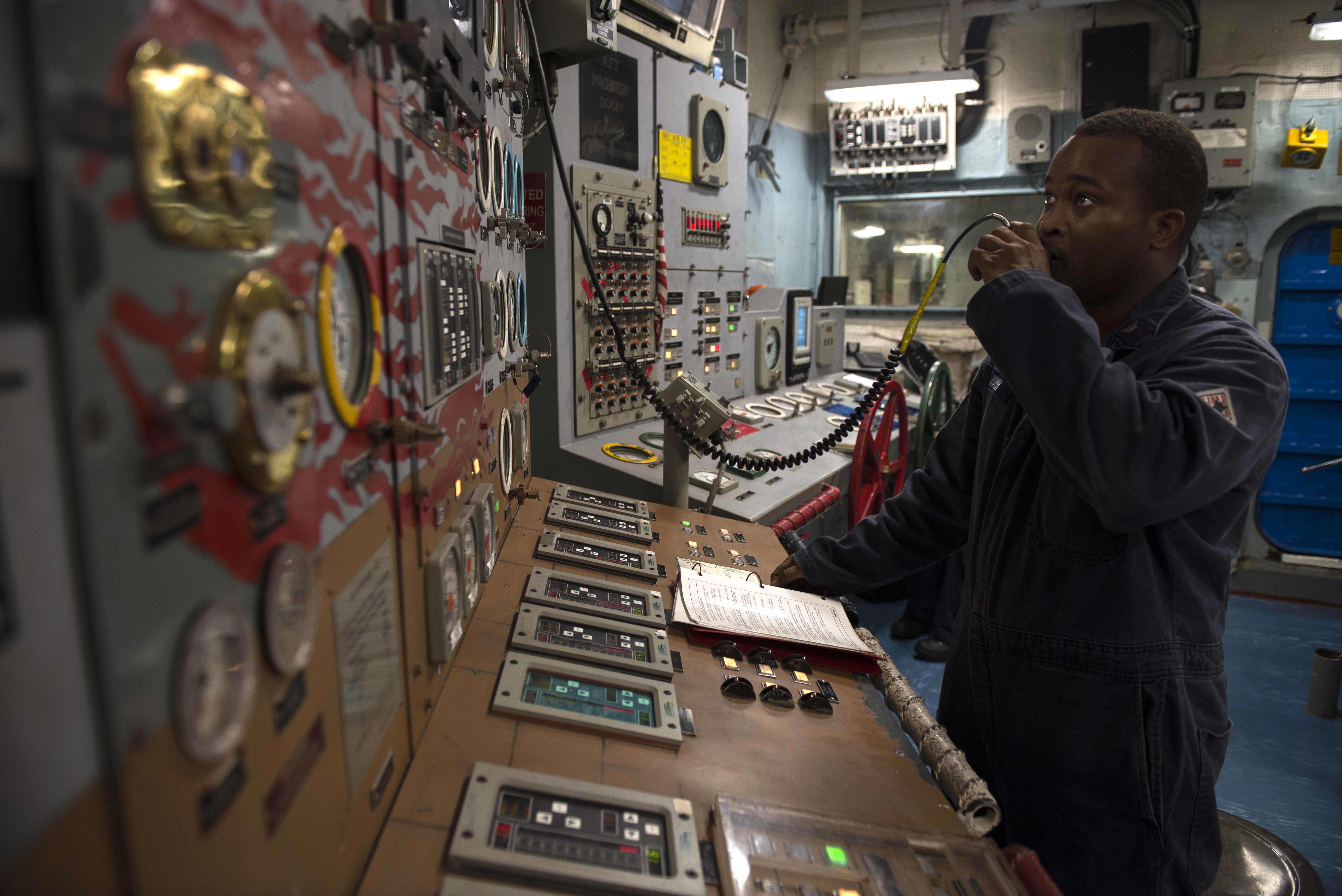
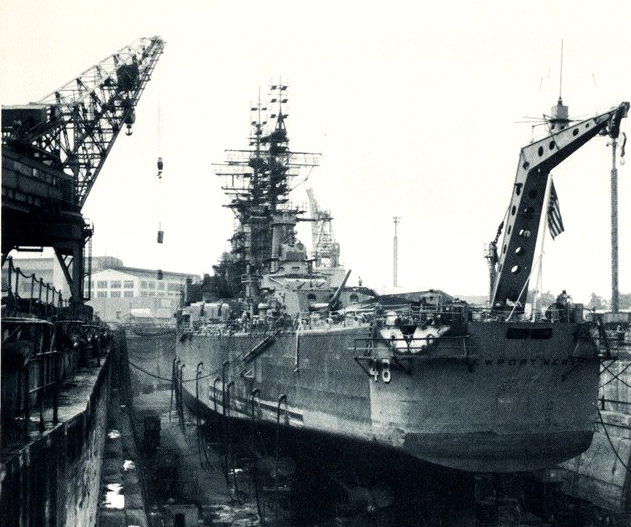
The Virginia class (CGN-38) nuclear-powered guided missile cruisers — USS Virginia (CGN-38) through USS Arkansas (CGN-41), commissioned between 1976 and 1980 at Newport News Shipbuilding — were the last nuclear-powered surface combatants built as a class for the US Navy. The Virginia class combined the D2G reactor plant from the California class (CGN-36) with an improved combat system, serving as carrier battle group escorts capable of high-speed sustained operations without refueling limitations. Built at Newport News during the 1973-1980 period spanning the beginning of the asbestos phase-down, Virginia class ships were constructed in the transitional era of asbestos use in naval construction.
Nuclear Secondary Steam Plant and Asbestos
Like all nuclear surface combatants, Virginia class cruisers use reactor heat to generate secondary steam for propulsion and ship services:
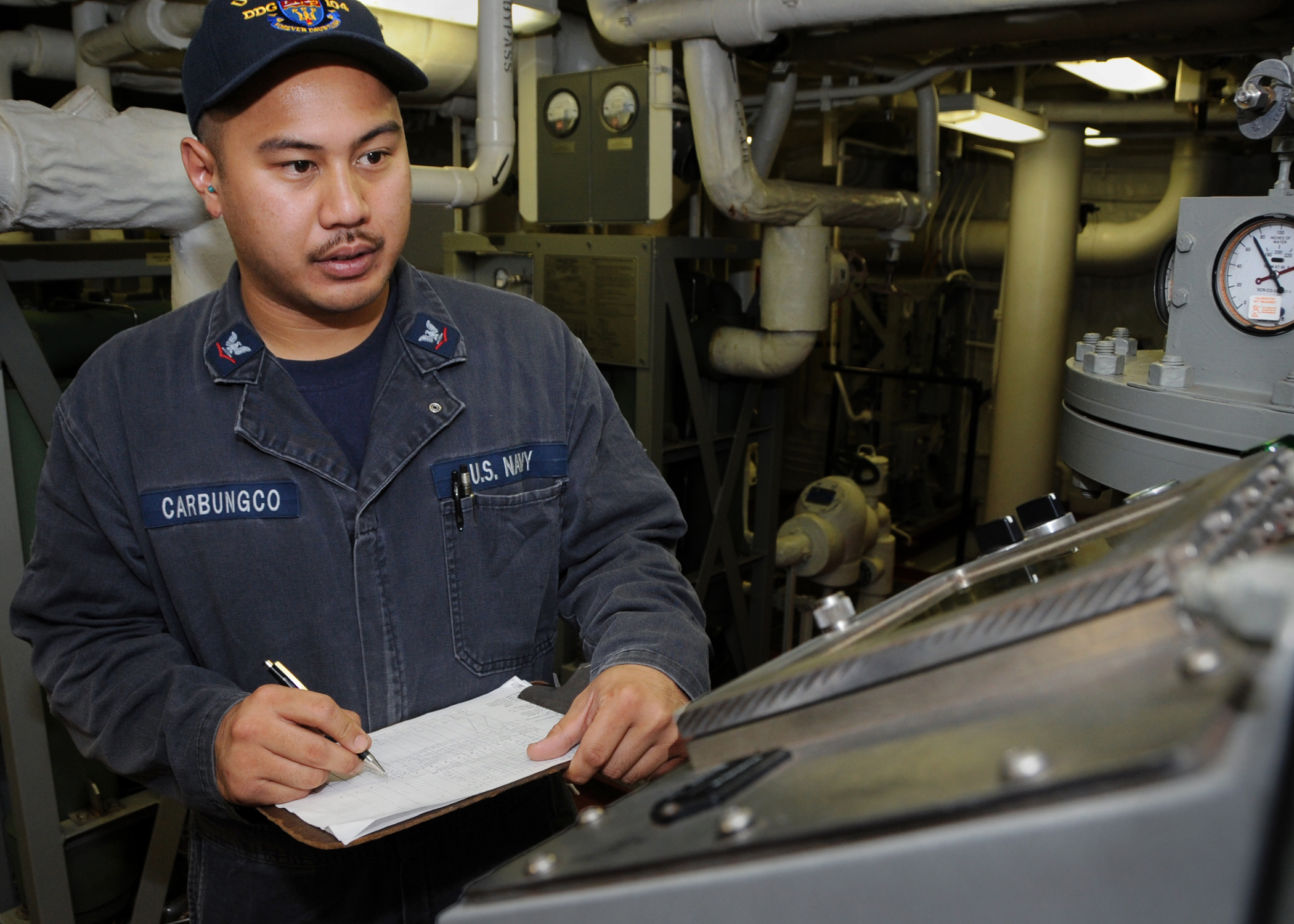
- Secondary steam piping — the secondary steam circuit carrying steam from the steam generators to the main propulsion turbines and ship service turbine generators used asbestos pipe covering and insulation on secondary steam piping in the engineering spaces of Virginia class ships built before the mid-1980s phase-down in nuclear vessel construction
- Ship service steam distribution — auxiliary steam from the ship service turbine generators serving hotel loads — laundry, galley, HVAC — used asbestos-insulated steam distribution piping in the ship’s service steam system throughout the vessel
- Turbine casings — main propulsion turbine casings and associated machinery had asbestos insulation on turbine external surfaces in construction consistent with the mid-1970s transitional period
Carrier Battle Group Nuclear Escort Duties
Virginia class cruisers operated as nuclear-powered carrier battle group escorts, conducting extended deployments at high sustained speed:
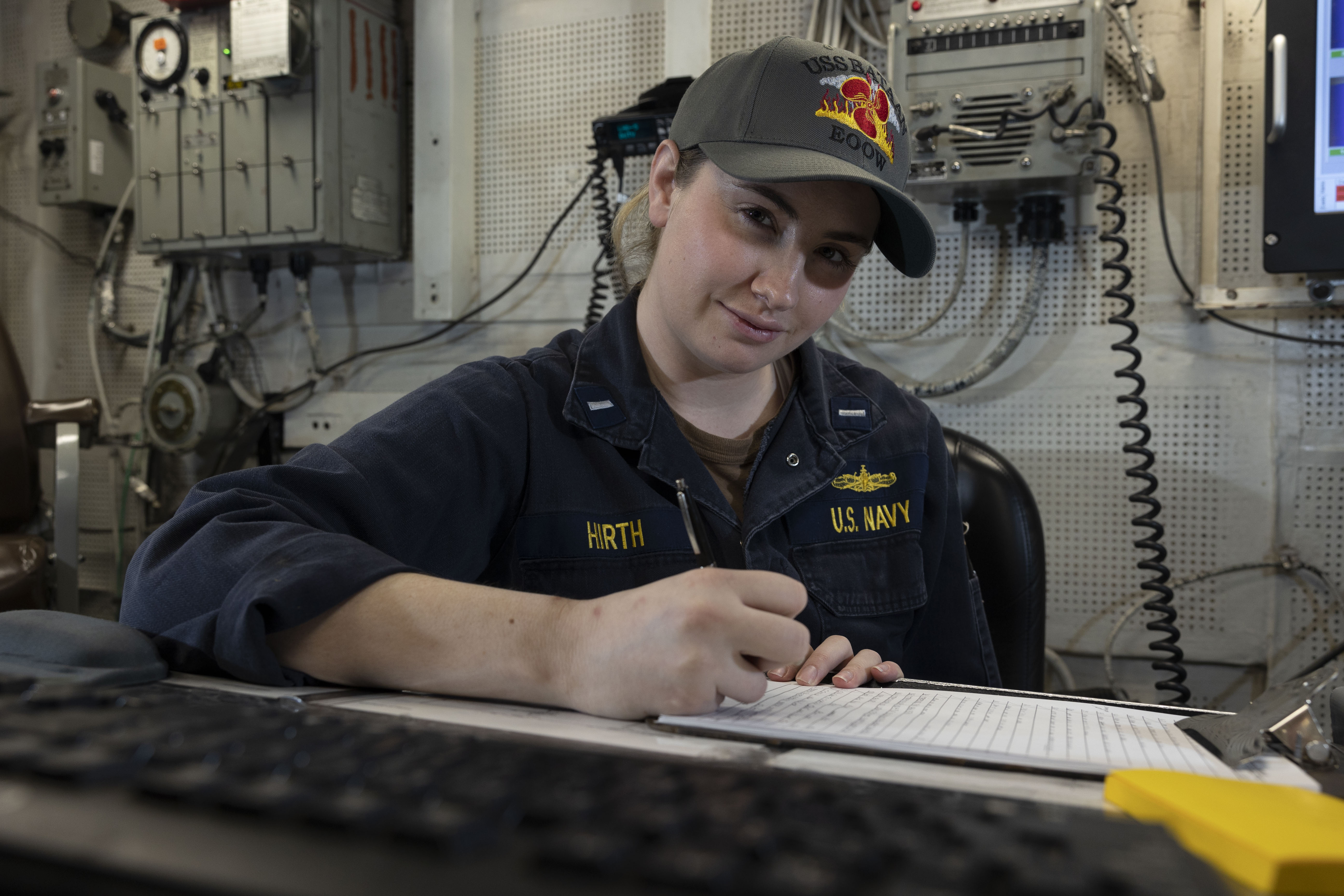
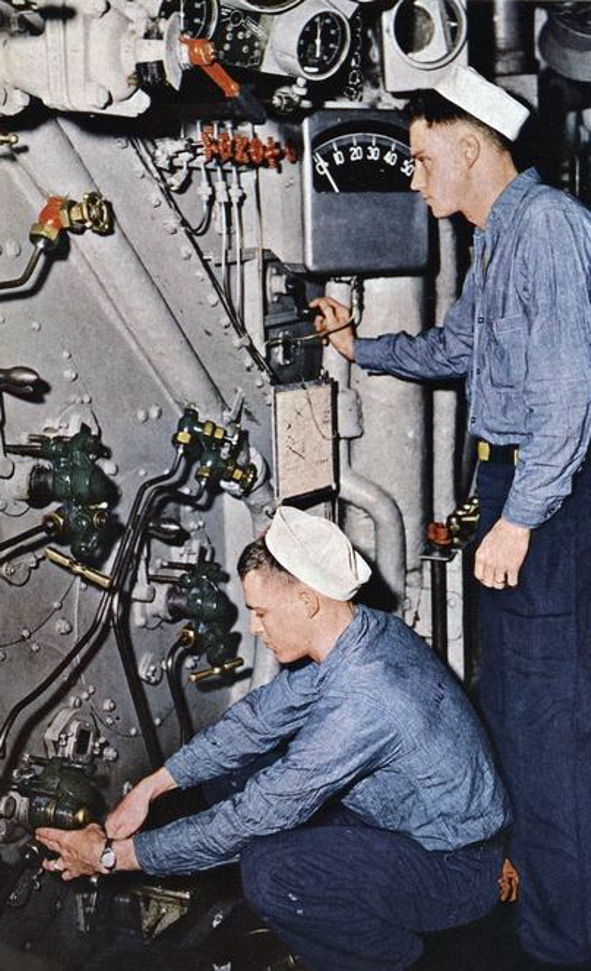
- Engineering ratings assigned to Virginia class cruisers served sustained engineering watches in the nuclear engineering spaces throughout carrier battle group deployments — concentrated periods of watch-standing in secondary steam system environments with asbestos-containing insulation in earlier-commissioned hulls
- The nuclear qualification path for Virginia class engineering personnel followed the same Nuclear Power School and prototype training pipeline as submarine nuclear operators, with prototype training environments using asbestos insulation in prototype plants before the mid-1980s
Interior Construction and Asbestos
Virginia class ships built in the mid-1970s used construction materials transitional between full asbestos-era and post-phase-down specifications:
- Interior structural insulation, deck tile, and mechanical system insulation in the earlier Virginia class hulls (CGN-38 and CGN-39) used asbestos-containing materials consistent with mid-1970s naval construction
- Later hulls (CGN-40 and CGN-41), commissioned 1979-1980, were built during the beginning of the phase-down period and may have reduced asbestos content in some applications compared to the earliest hulls
Virginia-Class Ships — Individual Exposure Pages
Each Virginia-class ship below has its own service-history and shipboard asbestos-exposure page:
- USS Virginia (CGN-38)
- USS Mississippi (CGN-40)
- USS Arkansas (CGN-41)
- USS Virginia (SSN-774)
- USS Texas (SSN-775)
- USS Hawaii (SSN-776)
- USS North Carolina (SSN-777)
- USS New Hampshire (SSN-778)
- USS New Mexico (SSN-779)
- USS Missouri (SSN-780)
- USS California (SSN-781)
- USS Mississippi (SSN-782)
- USS Minnesota (SSN-783)
- USS North Dakota (SSN-784)
- USS John Warner (SSN-785)
- USS Illinois (SSN-786)
- USS Washington (SSN-787)
- USS Colorado (SSN-788)
- USS Indiana (SSN-789)
- USS South Dakota (SSN-790)
- USS Delaware (SSN-791)
- USS Vermont (SSN-792)
- USS Oregon (SSN-793)
- USS Montana (SSN-794)
- USS Hyman G Rickover (SSN-795)
- USS New Jersey (SSN-796)
- USS Iowa (SSN-797)
- USS Massachusetts (SSN-798)
- USS Idaho (SSN-799)
- USS Arkansas (SSN-800)
- USS Utah (SSN-801)
- USS Oklahoma (SSN-802)
- USS Barb (SSN-803)
VA Claims for Virginia Class Veterans
VA evaluates asbestos-related disability claims on a case-by-case basis. Veterans generally need evidence of in-service asbestos exposure, a current asbestos-related diagnosis, and a medical link between them. Engineering ratings and nuclear-qualified personnel who served in engineering billets aboard Virginia class nuclear cruisers and have since been diagnosed with mesothelioma, asbestosis, or asbestos-related lung cancer may qualify for VA disability benefits.
The asbestos-containing products documented on U.S. Navy vessels and at shipyards are catalogued by manufacturer on AsbestosIndex. These records cross-reference which companies supplied which materials and to which facilities.
Navy Ratings Most Exposed to Asbestos Aboard Virginia Class
The U.S. Department of Veterans Affairs and the public asbestos litigation record document that the following Navy ratings worked routinely in spaces where ACM was installed, maintained, ripped out, and replaced:
VA Disability Claims for Asbestos-Related Disease
The U.S. Department of Veterans Affairs evaluates asbestos claims individually. A veteran generally needs medical evidence of a current asbestos-related disease, service evidence supporting in-service asbestos exposure, and a medical opinion connecting the two. Ship assignments, Navy ratings, and equipment records can help document the exposure history but do not create automatic service connection.
Approved claims may provide monthly disability compensation and related benefits. Survivors may separately qualify for Dependency & Indemnity Compensation when the applicable requirements are met. Civil lawsuits and asbestos-trust claims use different standards; claimants should obtain individualized advice about how the processes interact.
How to file a VA disability claim: VA claims are filed directly with the U.S. Department of Veterans Affairs — not with a law firm. Start at VA.gov › Hazardous Materials Exposure, call 1‑800‑827‑1000, or get free help filing from a Veterans Service Organization: DAV, VFW, or American Legion.
VA Claims Guide on This Site › Compare: VA vs. Civil Lawsuit
Source notes: equipment-manifest entries (where shown) are sourced from public-record BUSHIPS (Bureau of Ships) documentation, NARA archives, and the public asbestos litigation record. Manufacturer attributions link to documented asbestos-product histories on AsbestosIndex.com where available. Nothing on this page constitutes medical or legal advice.