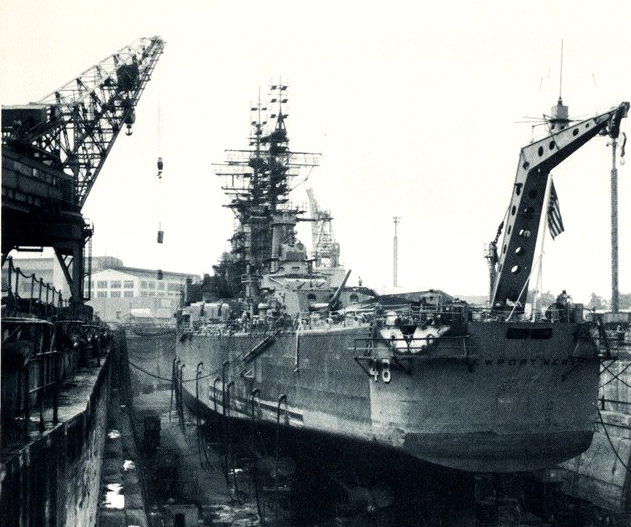
Skipjack class nuclear attack submarines — five hulls (USS Skipjack SSN-585 through USS Sculpin SSN-590, commissioned 1959–1961) — were revolutionary in combining the teardrop hull form pioneered by the conventionally-powered USS Albacore with the S5W pressurized water reactor plant, producing the first nuclear submarines capable of sustained high-speed submerged operations at speeds exceeding 30 knots. The Skipjack class was built at Electric Boat Division (Groton, Connecticut), Portsmouth Naval Shipyard, and Ingalls Shipbuilding. The Skipjack design became the basis for the George Washington class ballistic missile submarines and the Permit class attack submarines.
S5W Reactor Steam Plant and Asbestos
The Westinghouse S5W reactor plant in Skipjack class submarines drove a geared steam turbine propulsion system with asbestos-containing thermal insulation:
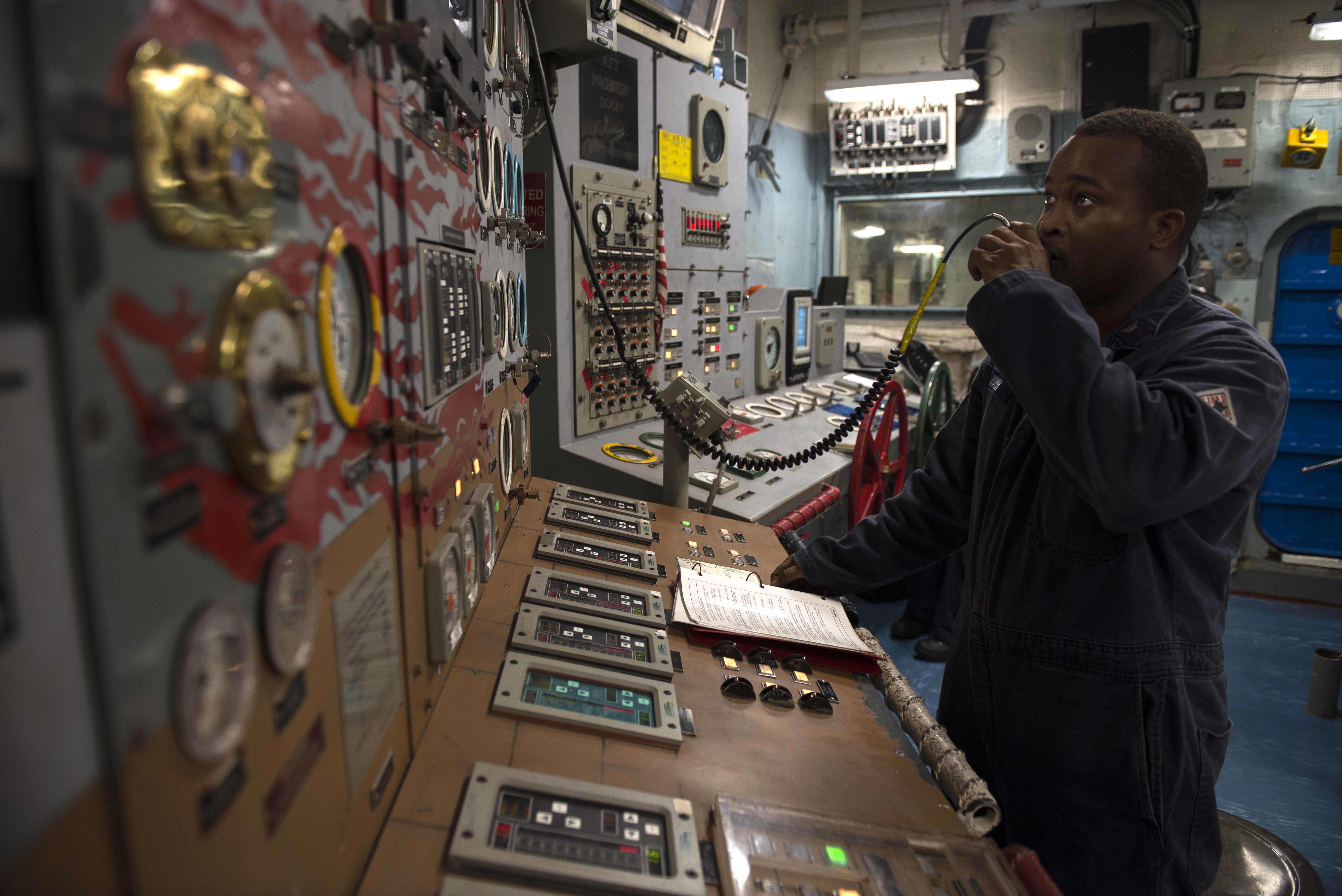
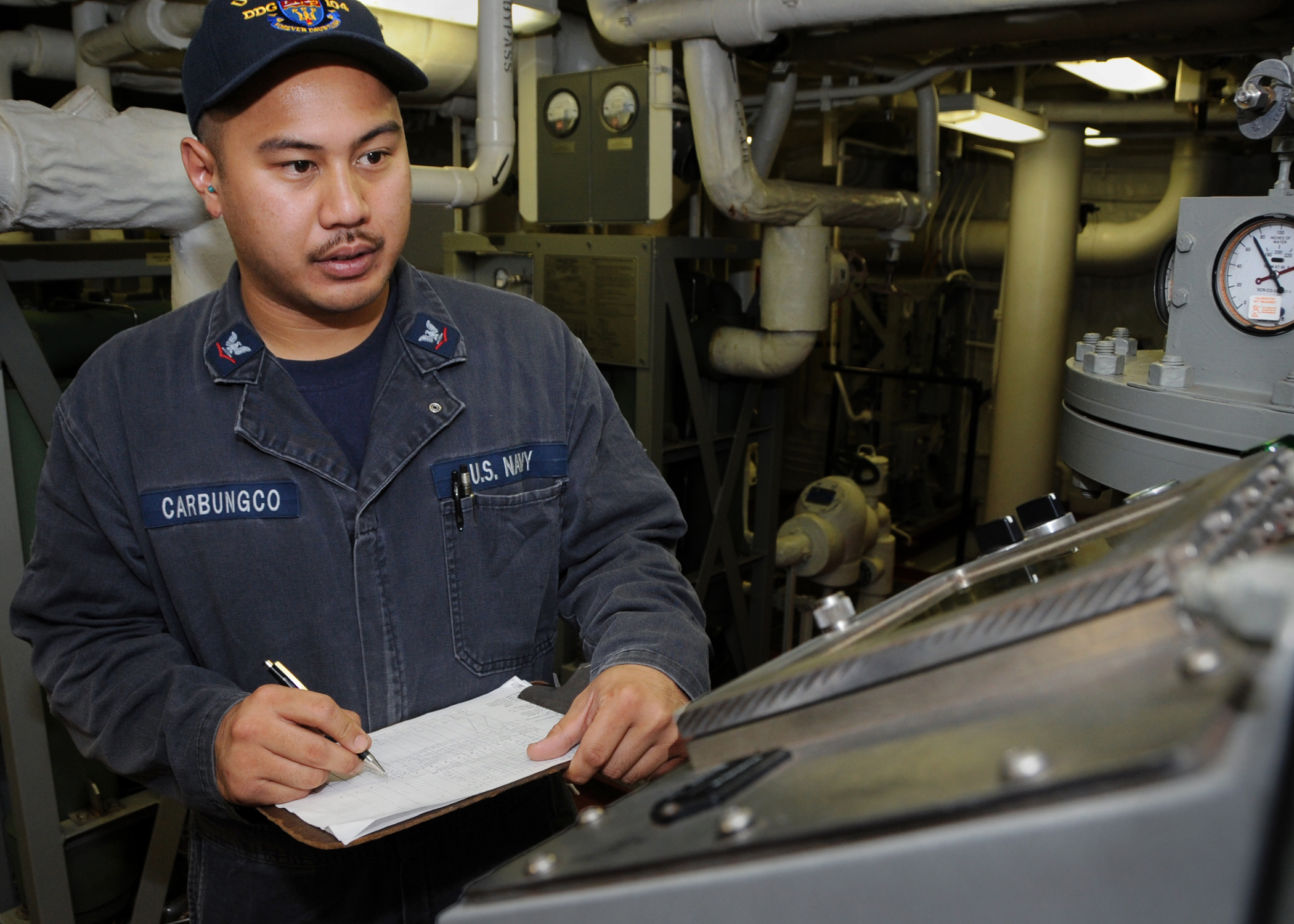
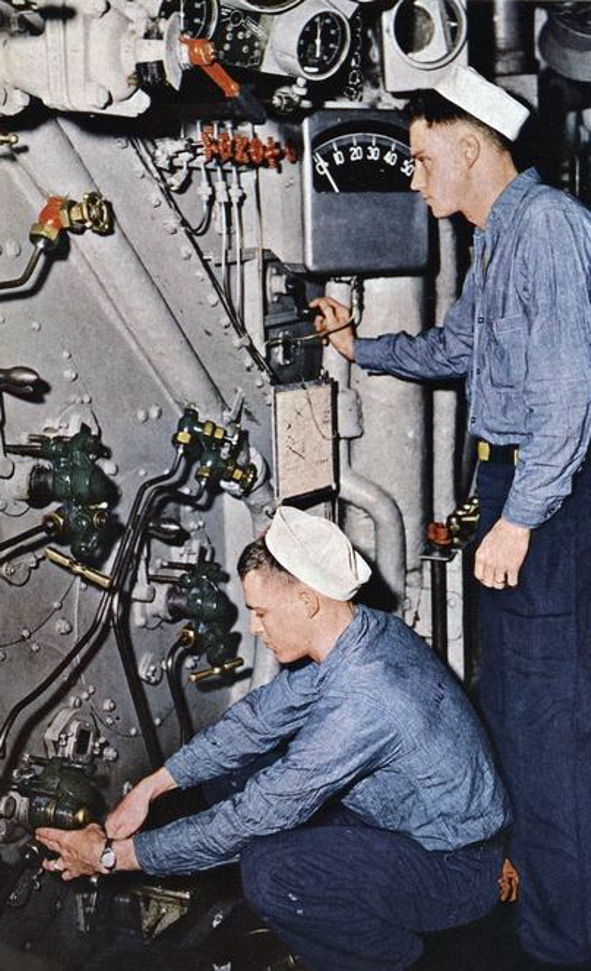
- Main steam system pipe insulation — the high-pressure steam piping from the S5W steam generators to the propulsion turbines in Skipjack class submarines used asbestos pipe covering in the tight engineering spaces of these small submarines (the Skipjack class had a pressure hull diameter of approximately 31 feet). Machinist’s Mates performing steam plant maintenance in the submarine engineering compartments worked in proximity to asbestos-insulated piping in the confined operating environment throughout submarine service
- Turbine and reduction gear insulation — the main propulsion turbines, ship’s service turbine generators, and reduction gear casings on Skipjack class submarines used asbestos-containing insulation blankets and lagging consistent with late-1950s nuclear submarine construction specifications
- Control valve packing — steam system control and isolation valves throughout the engineering plant used asbestos valve stem packing in the stuffing box, disturbed at each repacking interval during routine engineering plant maintenance
Submarine Interior and Accommodation Asbestos
Skipjack class submarines built in 1959-1961 used asbestos-containing materials throughout the pressure hull interior:
- Pressure hull thermal insulation — the thermal insulation system applied to the inside of the pressure hull in Skipjack class submarines used asbestos-containing materials to manage the extreme temperature differential between submerged operations and the submarine’s interior operating environment
- Crew accommodation construction — the berthing, mess, and working spaces in the Skipjack class used interior finishing materials that included asbestos in deck tile and bulkhead insulation consistent with late-1950s submarine construction
Attack Submarine Operations
Skipjack class submarines served as operational fast attack submarines through the 1960s and 1970s:
- The Skipjack class’s high submerged speed made these submarines valuable for trailing and opposing Soviet submarines and surface forces throughout the Cold War, with crew members spending extended periods in close proximity to the submarine’s asbestos-containing interior construction
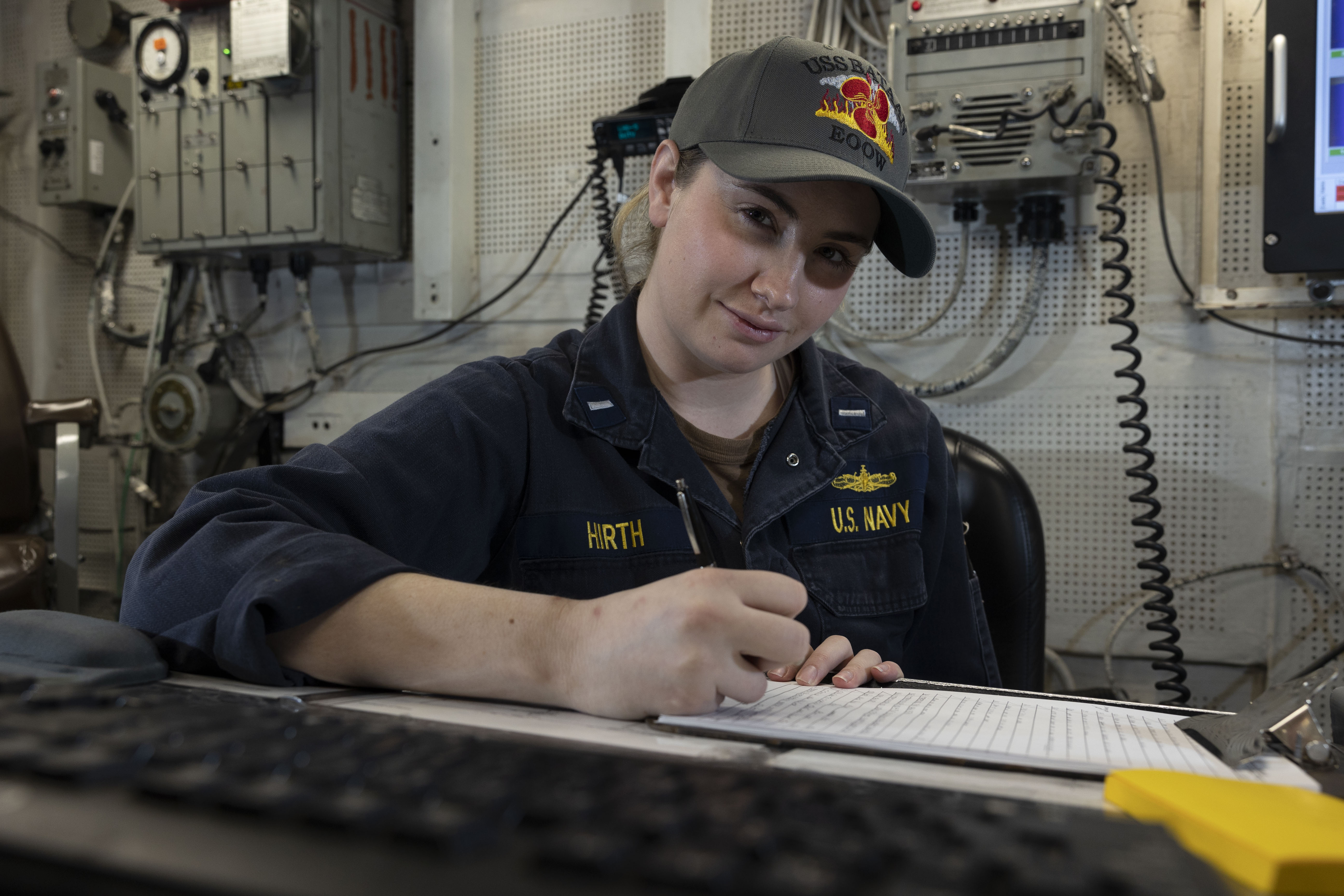
- Engineering ratings aboard Skipjack class submarines maintained a compact S5W reactor plant with asbestos-insulated steam system components throughout the submarine’s operational life
Skipjack-Class Ships — Individual Exposure Pages
Each Skipjack-class ship below has its own service-history and shipboard asbestos-exposure page:
- USS Skipjack (SSN-585)
- USS Scorpion (SSN-589)
- USS Sculpin (SSN-590)
- USS Shark (SSN-591)
- USS Snook (SSN-592)
VA Claims for Skipjack Class Veterans
VA evaluates asbestos-related disability claims on a case-by-case basis. Veterans generally need evidence of in-service asbestos exposure, a current asbestos-related diagnosis, and a medical link between them. Engineering ratings who served aboard Skipjack class submarines and have since been diagnosed with mesothelioma, asbestosis, or asbestos-related lung cancer may qualify for VA disability benefits.
The asbestos-containing products documented on U.S. Navy vessels and at shipyards are catalogued by manufacturer on AsbestosIndex. These records cross-reference which companies supplied which materials and to which facilities.
Navy Ratings Most Exposed to Asbestos Aboard Skipjack Class
The U.S. Department of Veterans Affairs and the public asbestos litigation record document that the following Navy ratings worked routinely in spaces where ACM was installed, maintained, ripped out, and replaced:
VA Disability Claims for Asbestos-Related Disease
The U.S. Department of Veterans Affairs evaluates asbestos claims individually. A veteran generally needs medical evidence of a current asbestos-related disease, service evidence supporting in-service asbestos exposure, and a medical opinion connecting the two. Ship assignments, Navy ratings, and equipment records can help document the exposure history but do not create automatic service connection.
Approved claims may provide monthly disability compensation and related benefits. Survivors may separately qualify for Dependency & Indemnity Compensation when the applicable requirements are met. Civil lawsuits and asbestos-trust claims use different standards; claimants should obtain individualized advice about how the processes interact.
How to file a VA disability claim: VA claims are filed directly with the U.S. Department of Veterans Affairs — not with a law firm. Start at VA.gov › Hazardous Materials Exposure, call 1‑800‑827‑1000, or get free help filing from a Veterans Service Organization: DAV, VFW, or American Legion.
VA Claims Guide on This Site › Compare: VA vs. Civil Lawsuit
Source notes: equipment-manifest entries (where shown) are sourced from public-record BUSHIPS (Bureau of Ships) documentation, NARA archives, and the public asbestos litigation record. Manufacturer attributions link to documented asbestos-product histories on AsbestosIndex.com where available. Nothing on this page constitutes medical or legal advice.