The Seawolf class fast-attack submarines — USS Seawolf (SSN-21), USS Connecticut (SSN-22), and USS Jimmy Carter (SSN-23) — were designed in the 1980s as the successor to the Los Angeles class, incorporating advanced silencing technology, significantly increased weapons capacity, and a more powerful reactor plant. Construction began in 1989 at Electric Boat (Groton, Connecticut), with USS Seawolf commissioned in 1997 after the Cold War’s end had already curtailed the program to three hulls.
Post-Asbestos-Phase-Down Construction
The Seawolf class was commissioned after the Navy’s comprehensive asbestos phase-down in new construction, which substantially eliminated asbestos from new naval shipbuilding specifications beginning in the mid-1980s. Seawolf class submarines were built with asbestos-substitute materials for thermal insulation and sealing applications in the secondary steam system and auxiliary machinery.
Shipyard Environment During Construction
Electric Boat’s Groton shipyard continued to support and maintain Los Angeles class submarines with original asbestos insulation throughout the Seawolf construction period. Shipyard workers at Electric Boat involved in Seawolf construction were working in a facility environment where Los Angeles class submarine overhaul and maintenance — involving asbestos removal and handling — was ongoing in adjacent work areas and drydocks during the Seawolf construction period.
Residual Legacy Equipment Considerations
As with any complex naval construction program, some legacy equipment and vendor-supplied components installed in early Seawolf construction may have used specification-compliant materials that were in transition during the 1989-1997 build period. However, the primary asbestos exposure risk for Seawolf class crew is substantially lower than for Los Angeles class and earlier nuclear submarine classes built before the asbestos phase-down.
Context: Comparison to Earlier Classes
Veterans of the Seawolf class whose claims involve asbestos exposure are more likely to document exposure from prior duty stations aboard Los Angeles, Sturgeon, or earlier nuclear submarine classes before assignment to Seawolf. The Los Angeles class and Sturgeon class submarines — built with asbestos insulation in the 1970s and 1960s respectively — represent the significant asbestos exposure pathway for submarine engineering veterans.
VA Claims
VA presumptive service connection under 38 CFR § 3.309(d) covers asbestos exposure aboard Navy submarines. Veterans who served in earlier-class nuclear submarines before Seawolf assignment and have since been diagnosed with mesothelioma may document asbestos exposure from their prior Los Angeles or Sturgeon class duty stations.
The asbestos-containing products documented on U.S. Navy vessels and at shipyards are catalogued by manufacturer on AsbestosIndex. These records cross-reference which companies supplied which materials and to which facilities.
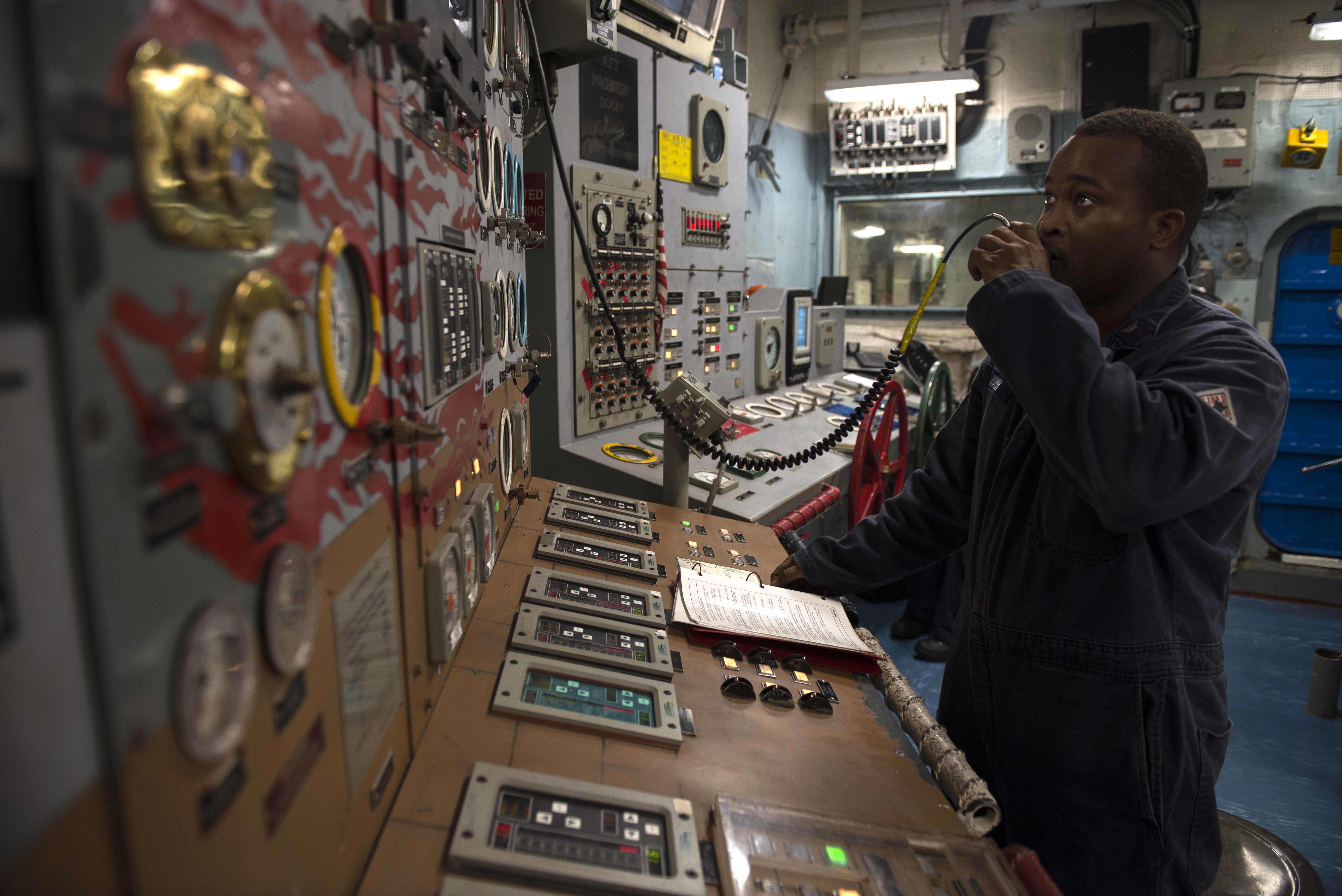
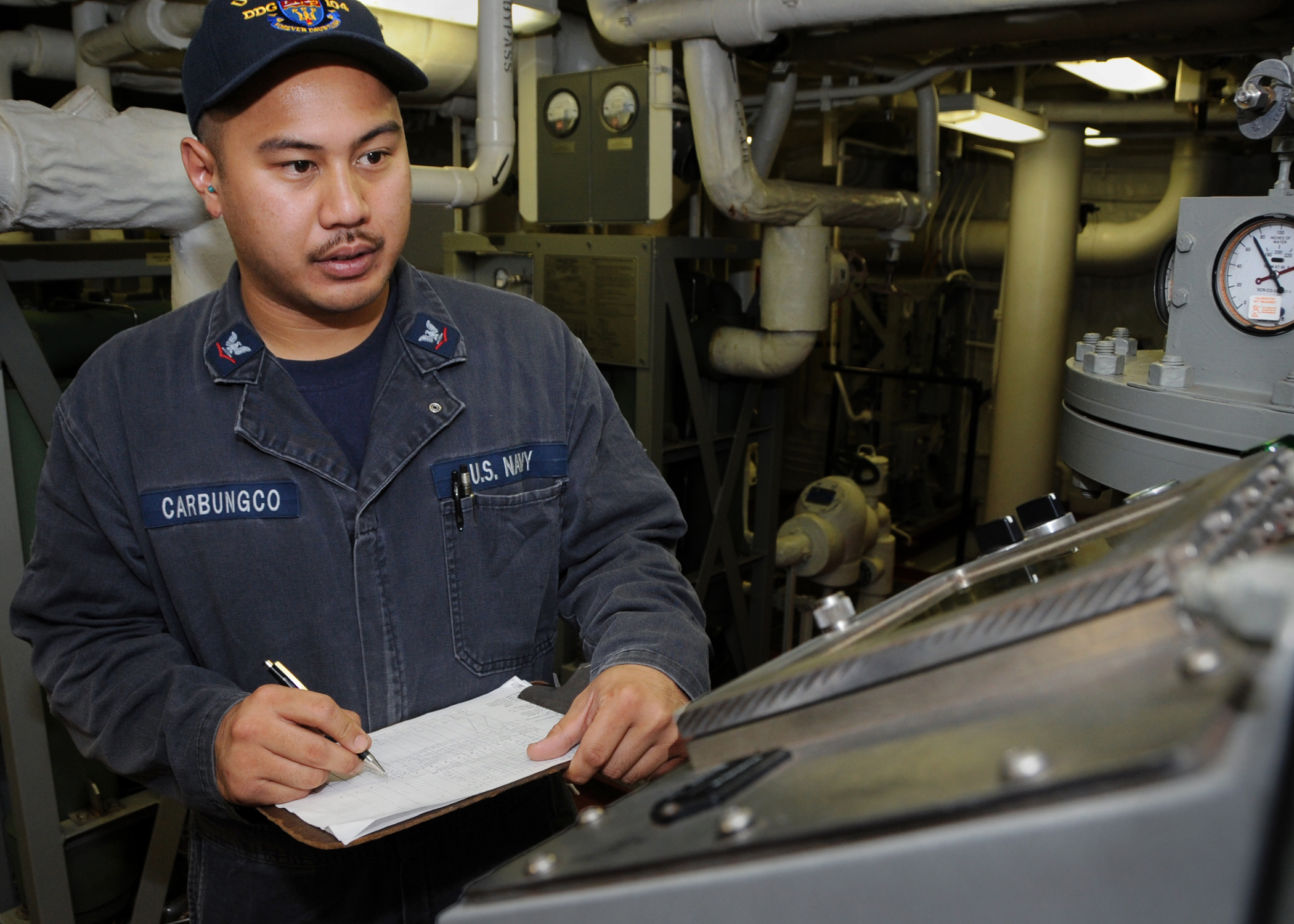
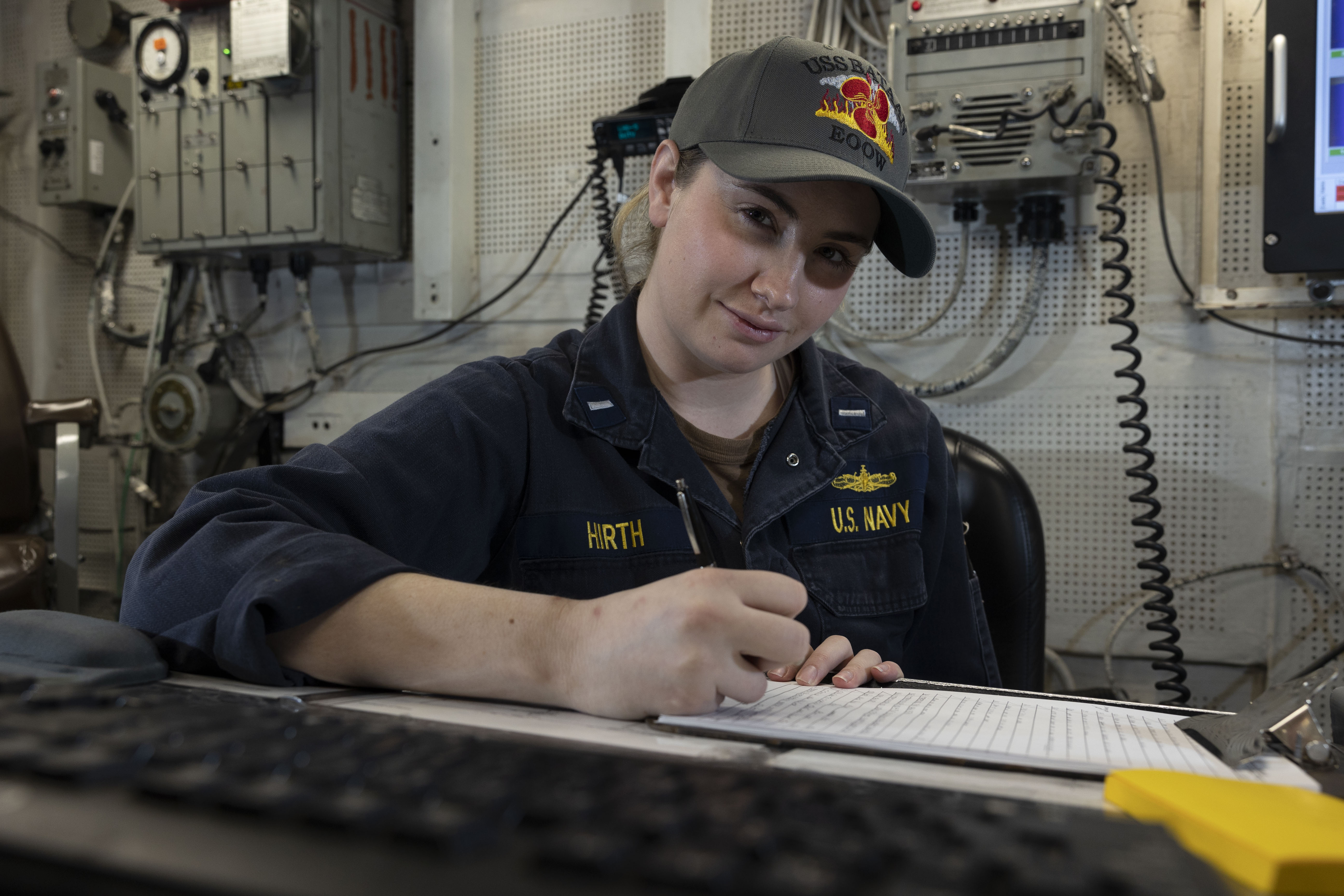
Navy Ratings Most Exposed to Asbestos Aboard Seawolf Class
The U.S. Department of Veterans Affairs and the public asbestos litigation record document that the following Navy ratings worked routinely in spaces where ACM was installed, maintained, ripped out, and replaced:
VA Presumptive Benefits — No Filing Deadline
The U.S. Department of Veterans Affairs recognizes mesothelioma, asbestos-related lung cancer, asbestosis, and pleural disease as conditions presumed to be service-connected for Navy veterans with documented asbestos exposure under 38 CFR § 3.309(d). No statute of limitations applies to VA disability compensation claims.
Available benefits may include monthly disability compensation, Dependency & Indemnity Compensation (DIC) for surviving spouses, priority VA healthcare enrollment, and Special Monthly Compensation for severe cases. Parallel claims against the asbestos bankruptcy trust funds established by the manufacturers of these products do not reduce VA compensation.
How to file a VA disability claim: VA claims are filed directly with the U.S. Department of Veterans Affairs — not with a law firm. Start at VA.gov › Hazardous Materials Exposure, call 1‑800‑827‑1000, or get free help filing from a Veterans Service Organization: DAV, VFW, or American Legion.
VA Claims Guide on This Site › Compare: VA vs. Civil Lawsuit
Source notes: equipment-manifest entries (where shown) are sourced from public-record BUSHIPS (Bureau of Ships) documentation, NARA archives, and the public asbestos litigation record. Manufacturer attributions link to documented asbestos-product histories on AsbestosIndex.com where available. Nothing on this page constitutes medical or legal advice.