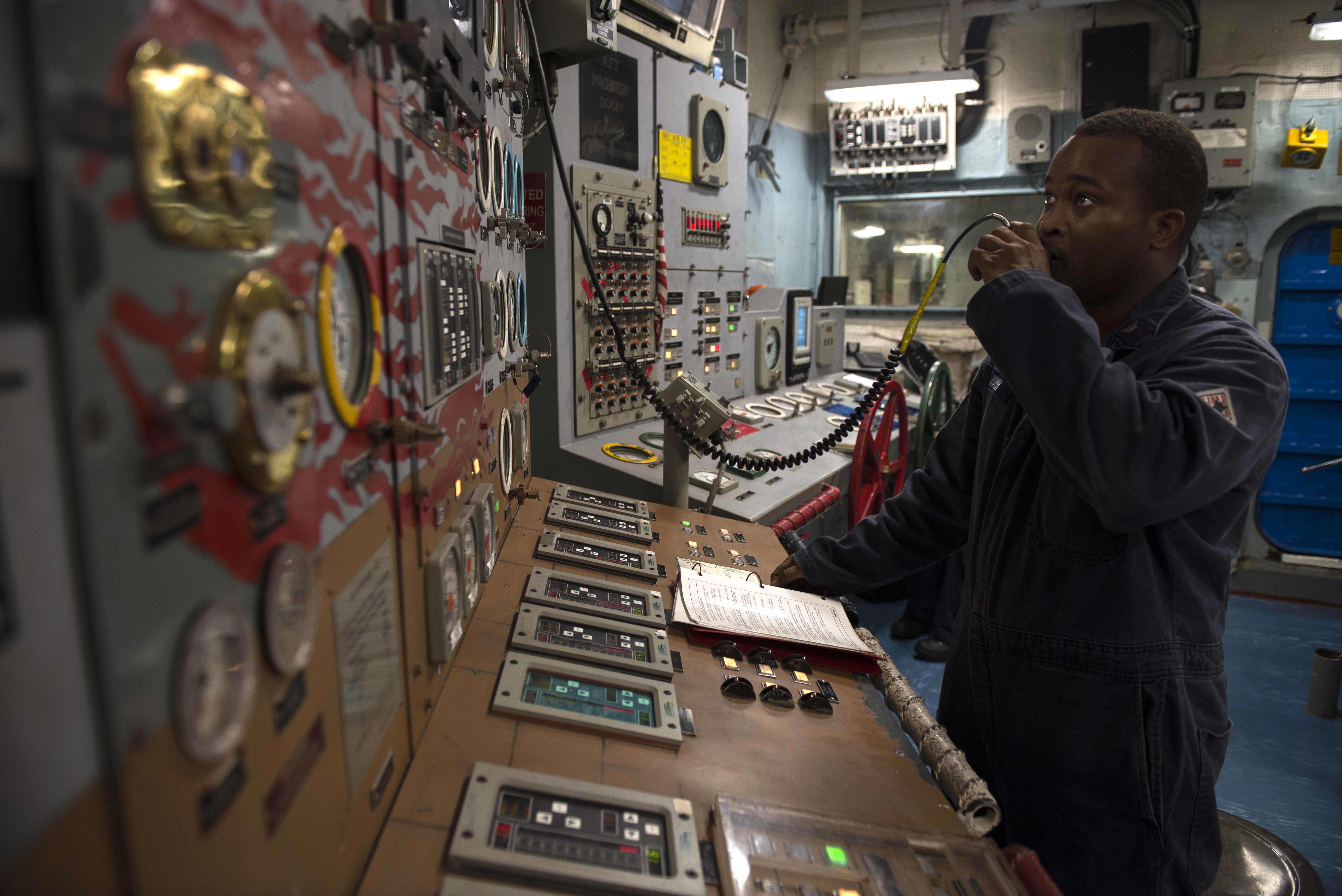
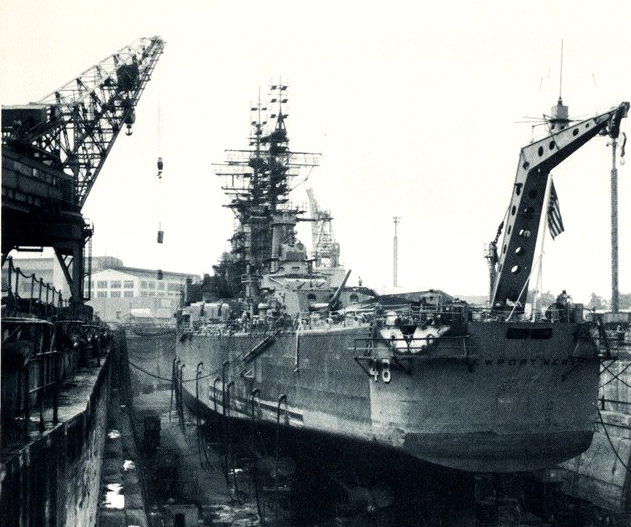
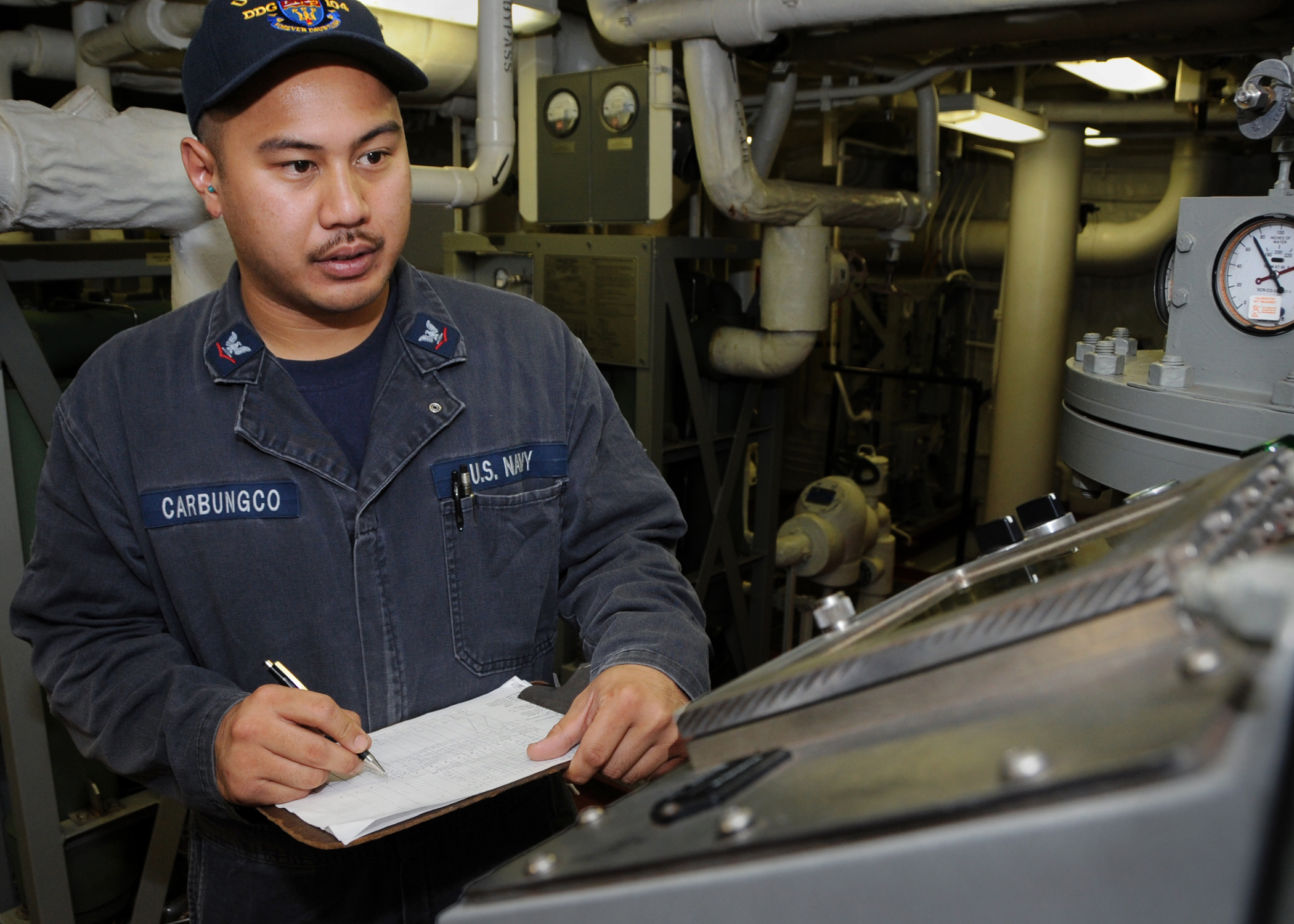
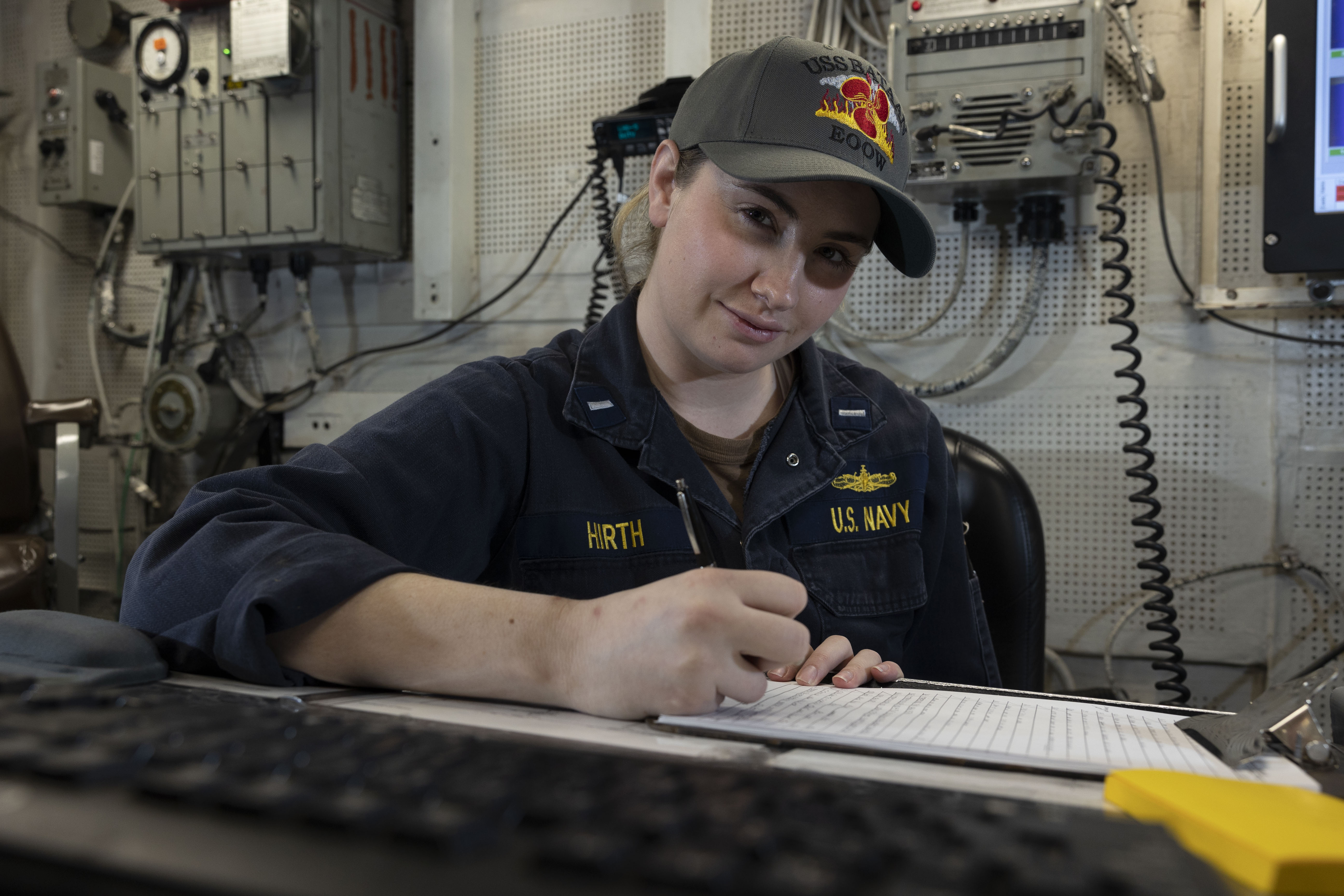
US Navy ocean minesweepers (MSO) of the Aggressive class and related designs were built primarily in the 1950s to conduct mine countermeasures (MCM) operations at sea. These vessels used distinctive diesel-electric propulsion and wooden hull construction to minimize their magnetic signature — an anti-mine design feature. Despite their wooden hulls, MSO vessels contained extensive asbestos insulation in their diesel engineering spaces, machinery compartments, and interior systems installed under the same Navy construction specifications as conventional vessels.
Engineering Spaces and Asbestos on MSOs
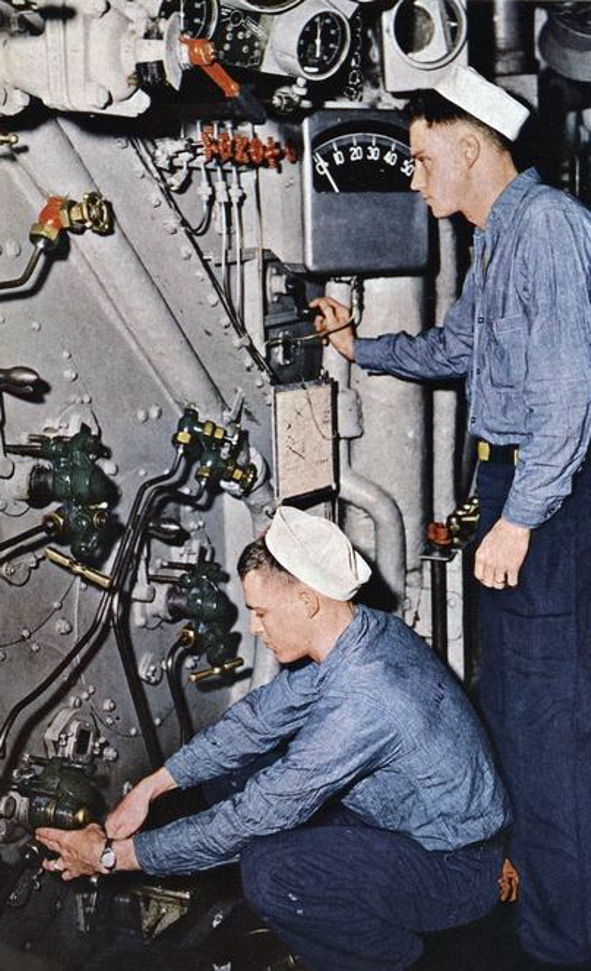
MSO vessels used diesel-electric propulsion — large diesel generators driving electric propulsion motors — rather than the steam turbines that dominated destroyer and cruiser classes. While the absence of steam boilers reduced one major asbestos source, diesel MSOs had asbestos in multiple other system areas:
- Diesel engine exhaust systems used asbestos-containing gaskets on exhaust manifolds and turbocharger connections in high-temperature service
- Electrical distribution systems in diesel-electric ships used asbestos-containing insulation on electrical cables and switchgear in the machinery spaces
- Auxiliary equipment including compressors, pumps, and ventilation systems used asbestos packing and gaskets in valve and pump maintenance
- Interior construction of these postwar vessels incorporated asbestos floor tile, overhead lagging, and bulkhead insulation consistent with Navy small vessel construction of the 1950s
Fleet Training Group Guantanamo and MSO Exposure
Fleet Training Group Guantanamo (FTG GTMO) used MSO and MSC (minesweeper, coastal) vessels stationed at Guantanamo Bay to take training classes to sea for anti-submarine warfare and fleet readiness instruction.
Aggressive-Class MSOs in the Asbestos Record
Aggressive-class ocean minesweepers documented in asbestos litigation records include USS Aggressive (MSO-422), USS Constant (MSO-427), USS Dash (MSO-428), USS Exploit (MSO-440), USS Fearless (MSO-442), and others built at Martinolich Shipbuilding, Tampa Shipbuilding, and Peterson Builders. These vessels served active duty through the 1970s, with most decommissioned or transferred in the late Cold War era.
VA Claims for MSO Veterans
Veterans who served in mine warfare ratings or engineering billets aboard Aggressive-class or similar MSO vessels before the vessels’ decommissioning and have since been diagnosed with mesothelioma, asbestosis, or asbestos-related lung cancer may qualify for VA service connection under VA asbestos-claim guidance. DD-214 records identifying an MSO hull number as a duty station document the qualifying ship assignment.
The asbestos-containing products documented on U.S. Navy vessels and at shipyards are catalogued by manufacturer on AsbestosIndex. These records cross-reference which companies supplied which materials and to which facilities.
Navy Ratings Most Exposed to Asbestos Aboard MSO Ocean Minesweepers
The U.S. Department of Veterans Affairs and the public asbestos litigation record document that the following Navy ratings worked routinely in spaces where ACM was installed, maintained, ripped out, and replaced:
VA Disability Claims for Asbestos-Related Disease
The U.S. Department of Veterans Affairs evaluates asbestos claims individually. A veteran generally needs medical evidence of a current asbestos-related disease, service evidence supporting in-service asbestos exposure, and a medical opinion connecting the two. Ship assignments, Navy ratings, and equipment records can help document the exposure history but do not create automatic service connection.
Approved claims may provide monthly disability compensation and related benefits. Survivors may separately qualify for Dependency & Indemnity Compensation when the applicable requirements are met. Civil lawsuits and asbestos-trust claims use different standards; claimants should obtain individualized advice about how the processes interact.
How to file a VA disability claim: VA claims are filed directly with the U.S. Department of Veterans Affairs — not with a law firm. Start at VA.gov › Hazardous Materials Exposure, call 1‑800‑827‑1000, or get free help filing from a Veterans Service Organization: DAV, VFW, or American Legion.
VA Claims Guide on This Site › Compare: VA vs. Civil Lawsuit
Source notes: equipment-manifest entries (where shown) are sourced from public-record BUSHIPS (Bureau of Ships) documentation, NARA archives, and the public asbestos litigation record. Manufacturer attributions link to documented asbestos-product histories on AsbestosIndex.com where available. Nothing on this page constitutes medical or legal advice.