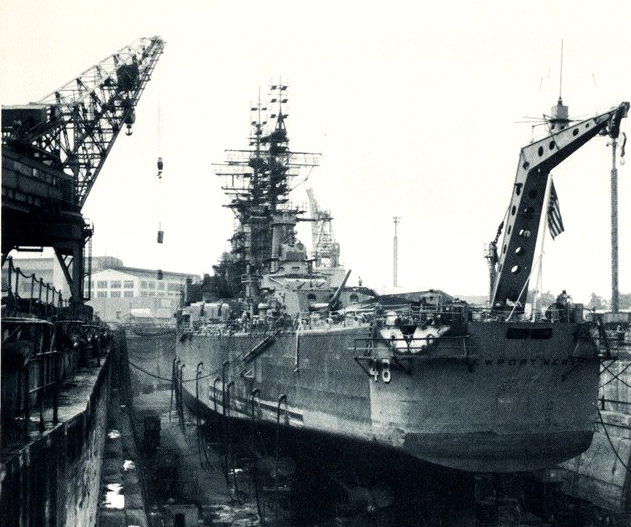
The Gato (SS-212 through SS-284), Balao (SS-285 through SS-416), and Tench (SS-417 through SS-525) class fleet submarines — 228 hulls built between 1940 and 1946 at Electric Boat (Groton), Portsmouth Naval Shipyard, Manitowoc Shipbuilding, Mare Island Naval Shipyard, Cramp Shipbuilding, and other yards — were the primary US Navy combat submarines of World War II. These fleet submarines used diesel-electric drive — diesel engines driving generators to charge batteries and provide direct propulsion power on the surface, with battery-powered electric motors for submerged operations. Their main diesel engines — ALCO, Fairbanks-Morse, Winton (GM), and other diesel types depending on construction yard — used asbestos-containing cylinder head gaskets and exhaust system gaskets throughout their service.
Diesel Engine Asbestos in WWII Fleet Submarines
Fleet submarines carried multiple diesel engine sets — typically four main diesel engines — in the forward and after engine rooms of the submarine hull:
- Cylinder head gaskets on ALCO 16-278A, Fairbanks-Morse 38D8-1/8, Winton (GM) 16-248, and other submarine diesel engines — compressed asbestos cylinder head gaskets sealing each engine cylinder, disturbed during periodic valve grinding and cylinder head maintenance
- Exhaust manifold gaskets — asbestos sheet gaskets at exhaust manifold connections on submarine diesel engine exhaust systems, exposed to high exhaust temperatures and disturbed during exhaust system maintenance
- Diesel engine coolant system gaskets — asbestos-containing gaskets throughout the engine cooling system connections on submarine diesel installations
- Generator connection and electrical equipment — asbestos-containing materials in the electrical generation equipment connected to the main diesel engines in the submarine engine rooms
Cramped Submarine Engine Room Environment
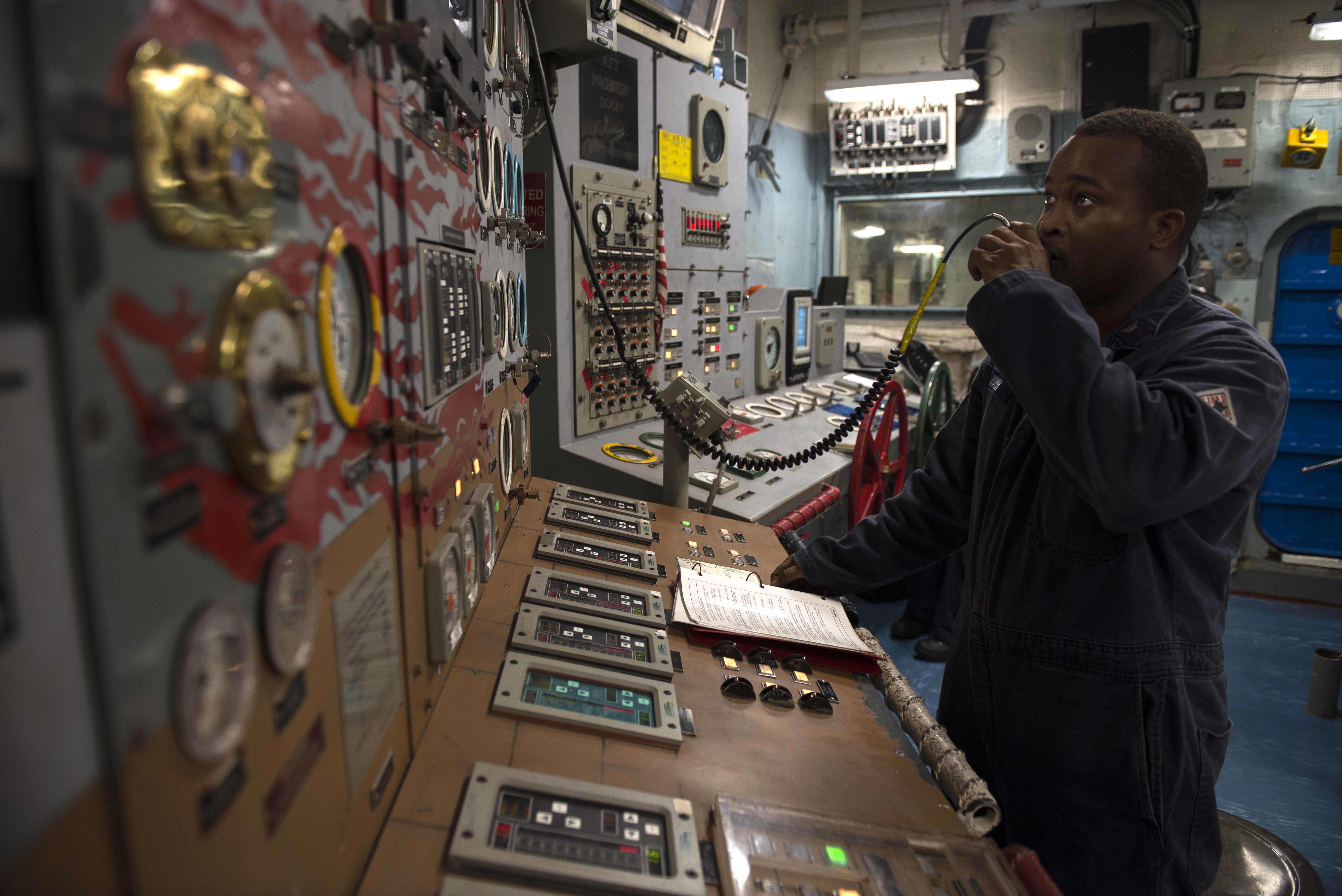
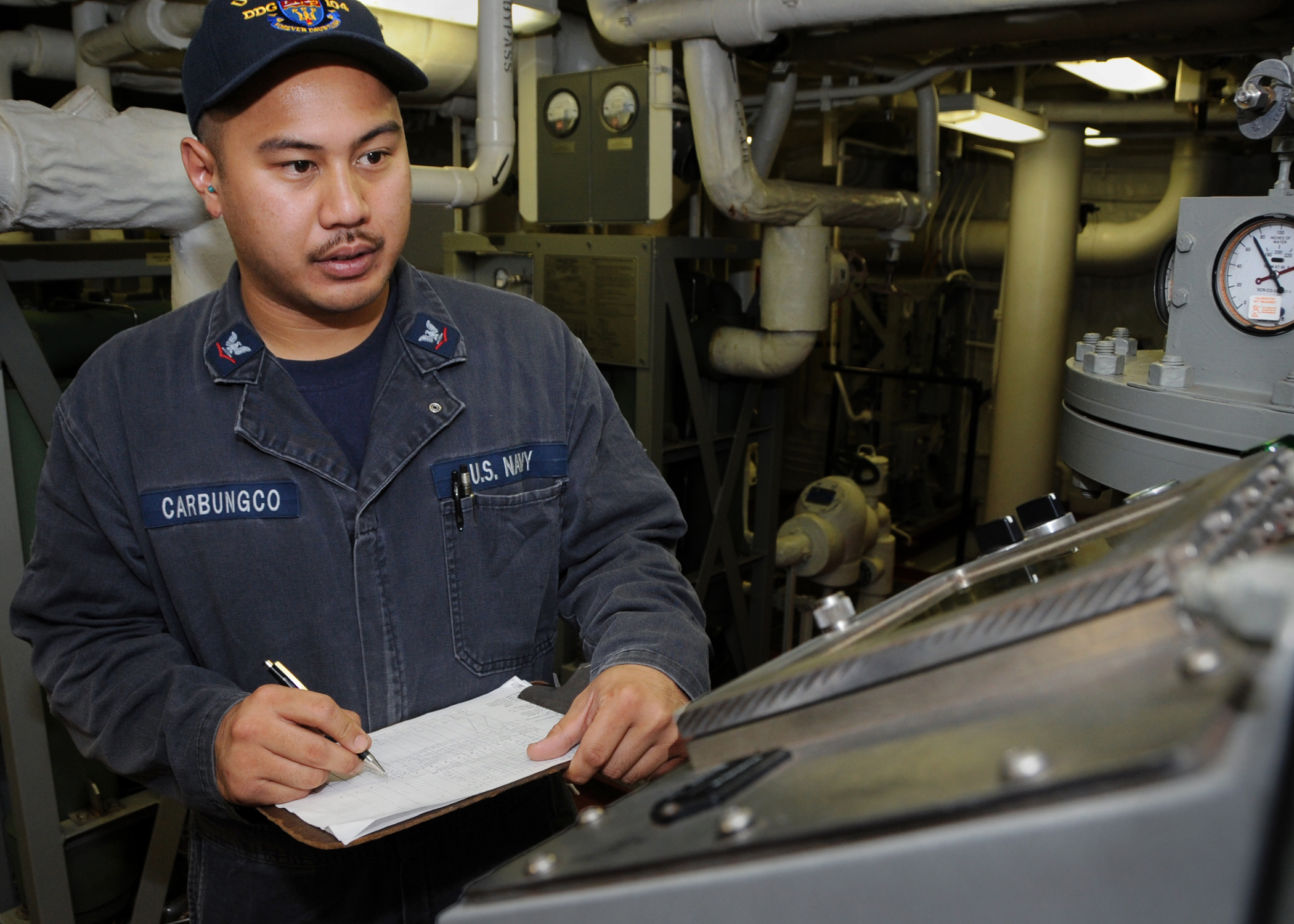
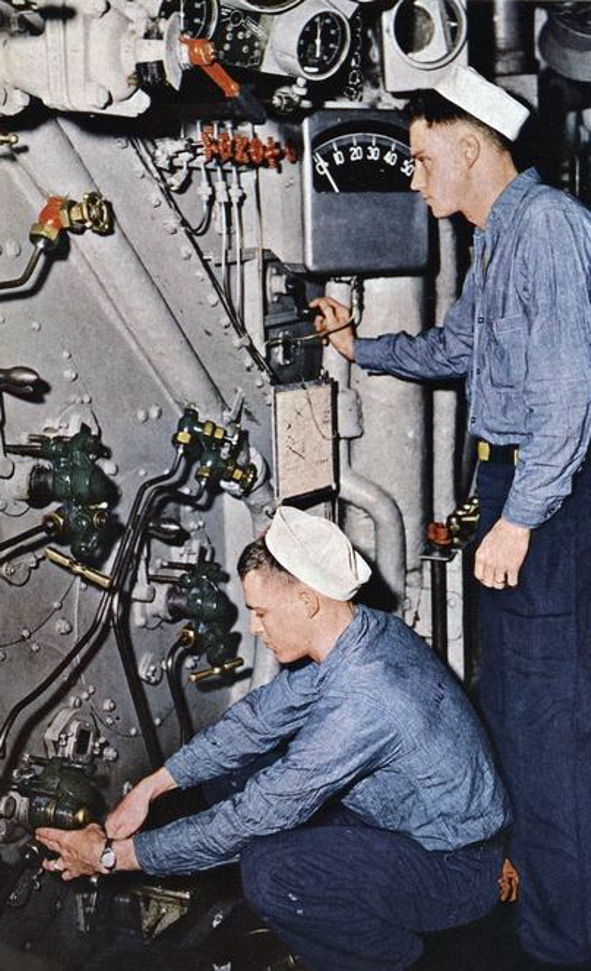
Submarine engine rooms were among the most confined engineering spaces in the fleet. The four main diesel engine sets in Gato and Balao class submarines were arranged on either side of the engine room with minimal access space between them, concentrating engineering personnel in immediate proximity to the operating engines and their asbestos-containing gasket connections. Machinist’s Mates performing engine maintenance in these spaces worked in an enclosed environment without the ventilation dilution available to surface ship engineering personnel.
GUPPY Modernization and Postwar Service
Many Gato, Balao, and Tench class submarines underwent GUPPY (Greater Underwater Propulsion Power) modernization in the late 1940s and 1950s, extending their underwater speed and endurance for Cold War operations. GUPPY modifications retained the original diesel engines and their asbestos-containing gasket components while improving the hull form, battery capacity, and snorkel capability. GUPPY-modernized fleet submarines served into the 1960s with the original WWII-era diesel engine asbestos exposure pathway intact.
VA Claims for WWII Fleet Submarine Veterans
VA evaluates asbestos-related disability claims on a case-by-case basis. Veterans generally need evidence of in-service asbestos exposure, a current asbestos-related diagnosis, and a medical link between them. Veterans who served in Machinist’s Mate and engineering billets aboard Gato, Balao, or Tench class submarines and have since been diagnosed with mesothelioma, asbestosis, or asbestos-related lung cancer may qualify for VA disability benefits. WWII service documentation — including patrol reports and service records — supports claims for this veteran population.
The asbestos-containing products documented on U.S. Navy vessels and at shipyards are catalogued by manufacturer on AsbestosIndex. These records cross-reference which companies supplied which materials and to which facilities.
Navy Ratings Most Exposed to Asbestos Aboard Gato / Balao / Tench Class Submarines
The U.S. Department of Veterans Affairs and the public asbestos litigation record document that the following Navy ratings worked routinely in spaces where ACM was installed, maintained, ripped out, and replaced:
VA Disability Claims for Asbestos-Related Disease
The U.S. Department of Veterans Affairs evaluates asbestos claims individually. A veteran generally needs medical evidence of a current asbestos-related disease, service evidence supporting in-service asbestos exposure, and a medical opinion connecting the two. Ship assignments, Navy ratings, and equipment records can help document the exposure history but do not create automatic service connection.
Approved claims may provide monthly disability compensation and related benefits. Survivors may separately qualify for Dependency & Indemnity Compensation when the applicable requirements are met. Civil lawsuits and asbestos-trust claims use different standards; claimants should obtain individualized advice about how the processes interact.
How to file a VA disability claim: VA claims are filed directly with the U.S. Department of Veterans Affairs — not with a law firm. Start at VA.gov › Hazardous Materials Exposure, call 1‑800‑827‑1000, or get free help filing from a Veterans Service Organization: DAV, VFW, or American Legion.
VA Claims Guide on This Site › Compare: VA vs. Civil Lawsuit
Source notes: equipment-manifest entries (where shown) are sourced from public-record BUSHIPS (Bureau of Ships) documentation, NARA archives, and the public asbestos litigation record. Manufacturer attributions link to documented asbestos-product histories on AsbestosIndex.com where available. Nothing on this page constitutes medical or legal advice.