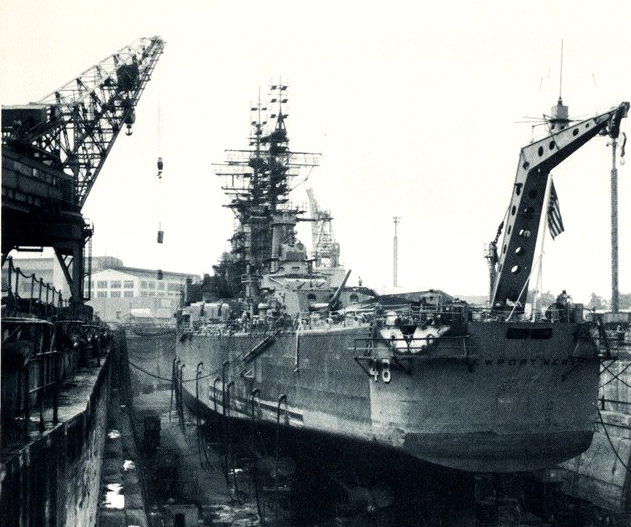
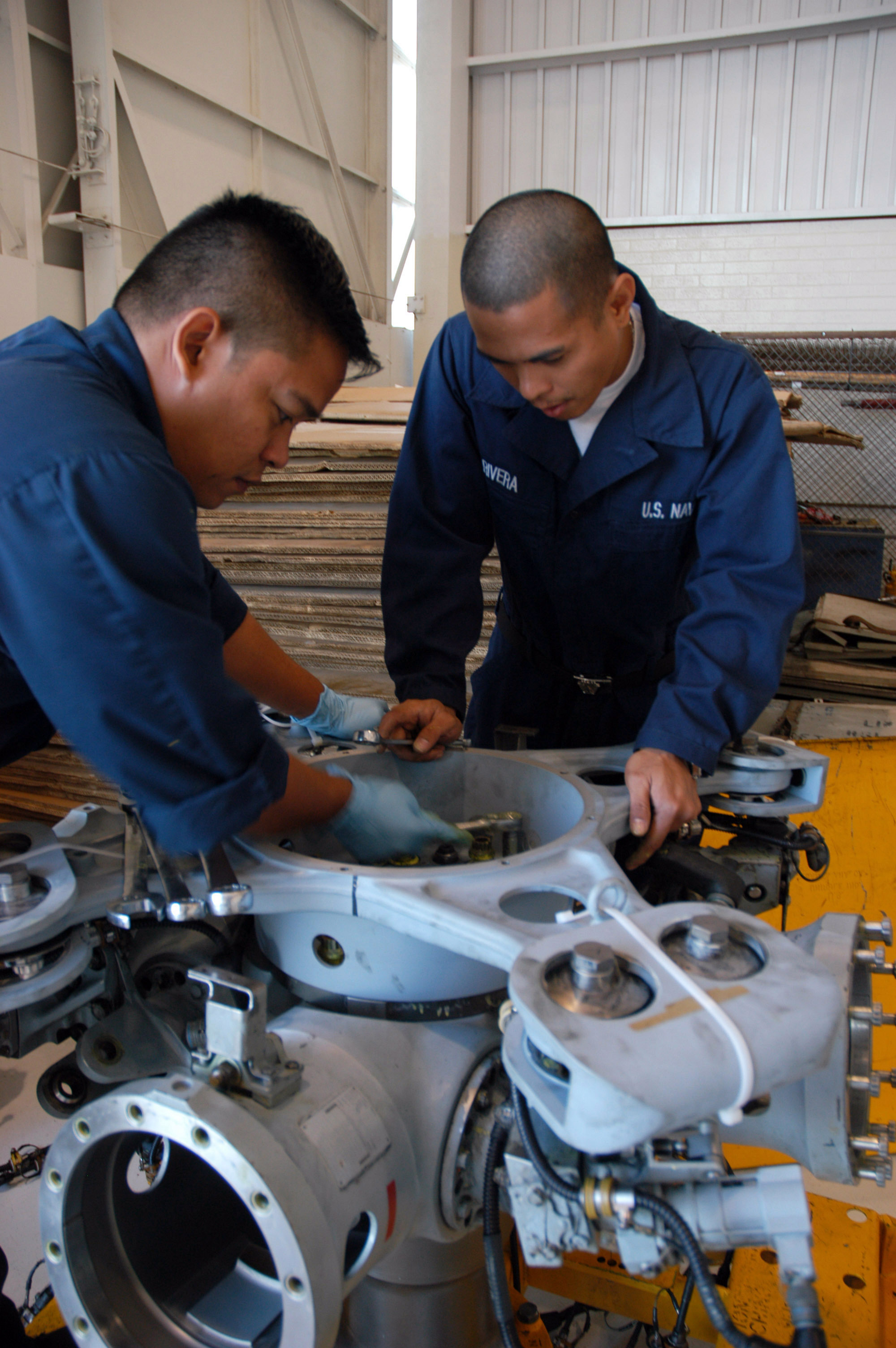
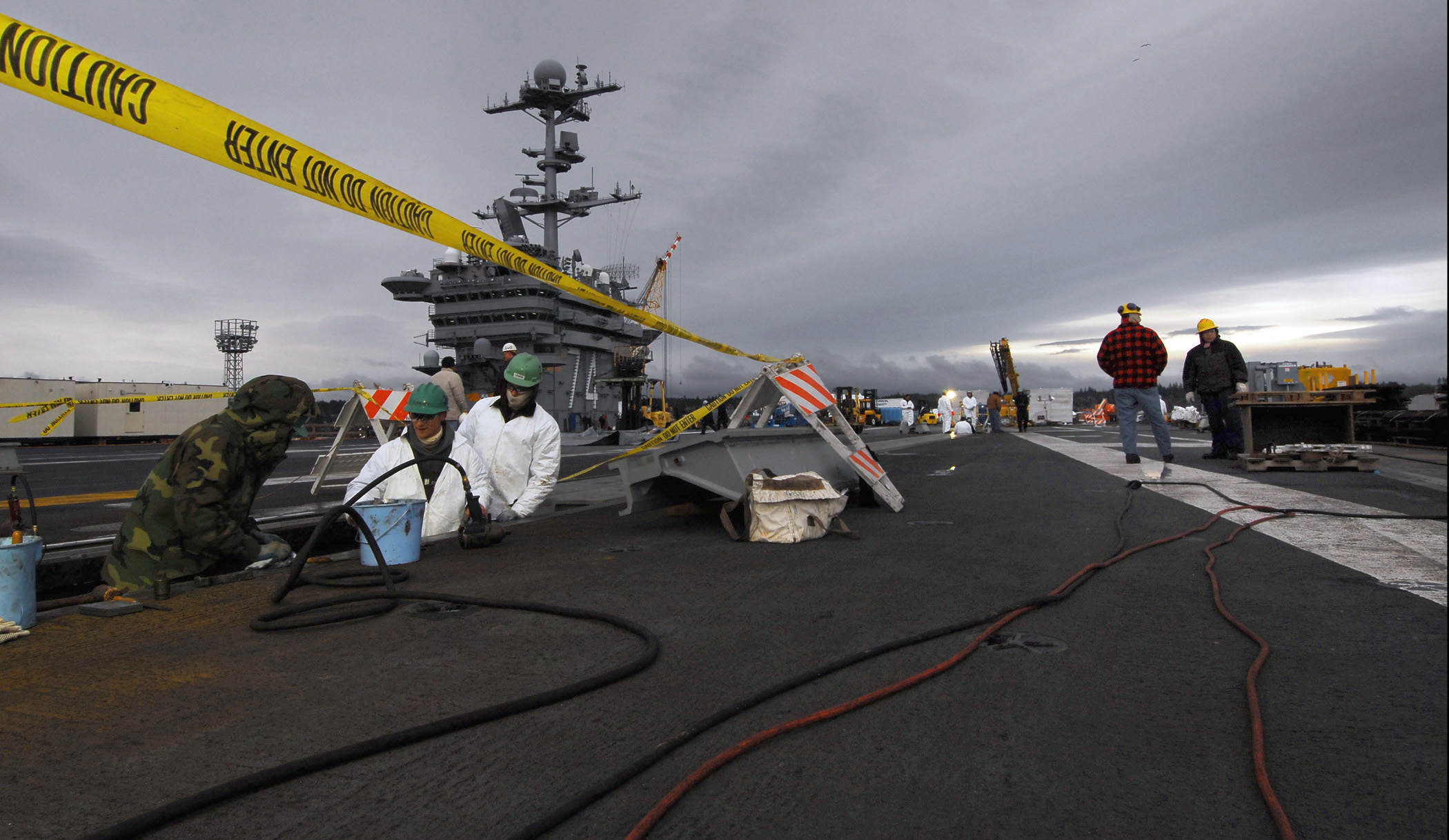
US Navy destroyer tenders — the Shenandoah class (AD-26), Prairie class (AD-15), Puget Sound class (AD-38), and Samuel Gompers class (AD-37) — provided depot-level maintenance, parts fabrication, and logistics support to Atlantic and Pacific Fleet destroyer and frigate squadrons throughout the Cold War. Destroyer tenders served as mobile repair facilities with complete machine shops, pipe shops, electrical shops, and engineering spaces allowing the tender to perform comprehensive maintenance on the destroyers and frigates moored alongside. Tender crew members worked in both the tender’s own extensive workshop and engineering spaces and went aboard deployed surface combatants to perform direct maintenance.
Tender Machine Shop and Workshop Environment
Destroyer tender crew members worked in the tender’s workshop spaces with asbestos:
- Machine shop environment — the tender’s machine shop, where Machinist’s Mates fabricated repair parts for deployed destroyers, used asbestos-containing materials in the shop’s heating system, in the overhead of the below-deck machine shop spaces, and in the shop’s grinding and finishing equipment insulation. Machinists performing machining operations in the machine shop accumulated ambient asbestos exposure from the shop environment in the tender’s below-deck workshop spaces
- Pipe shop — the pipe shop fabricating replacement pipe sections, valve assemblies, and steam system components for destroyer maintenance used asbestos pipe covering material and asbestos gasket material as standard shop stock. Pipefitters and Machinist’s Mates cutting asbestos pipe covering and fabricating asbestos gaskets from sheet stock in the pipe shop accumulated asbestos fiber exposure from the gasket and pipe covering fabrication work
- Boiler shop — tender boiler technicians working in the boiler shop maintaining boiler hardware and tube assemblies for deployed destroyers worked with asbestos refractory materials and boiler insulation
Maintenance Aboard Deployed Destroyers
Tender crew members routinely boarded deployed destroyers moored alongside for in-situ maintenance:
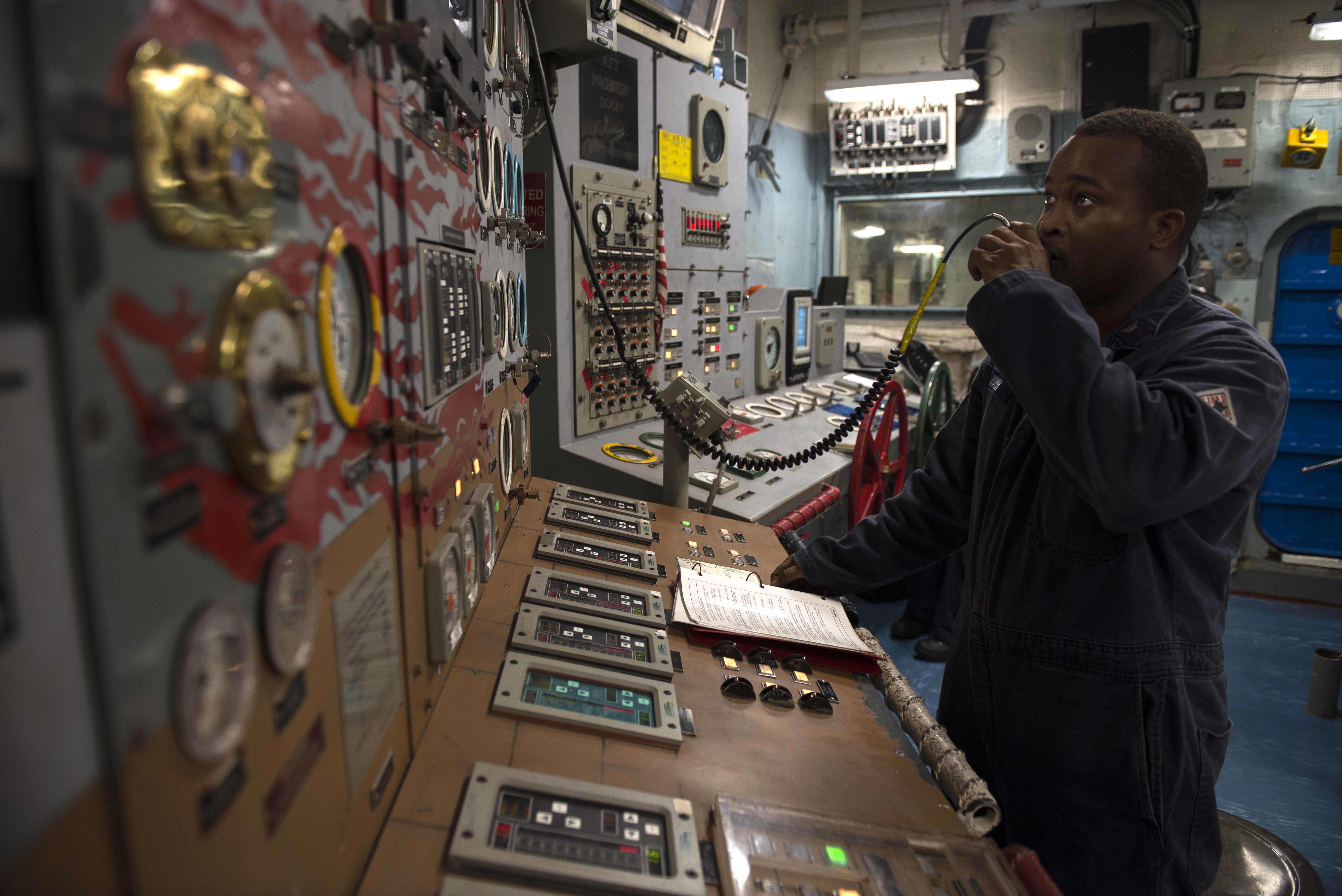
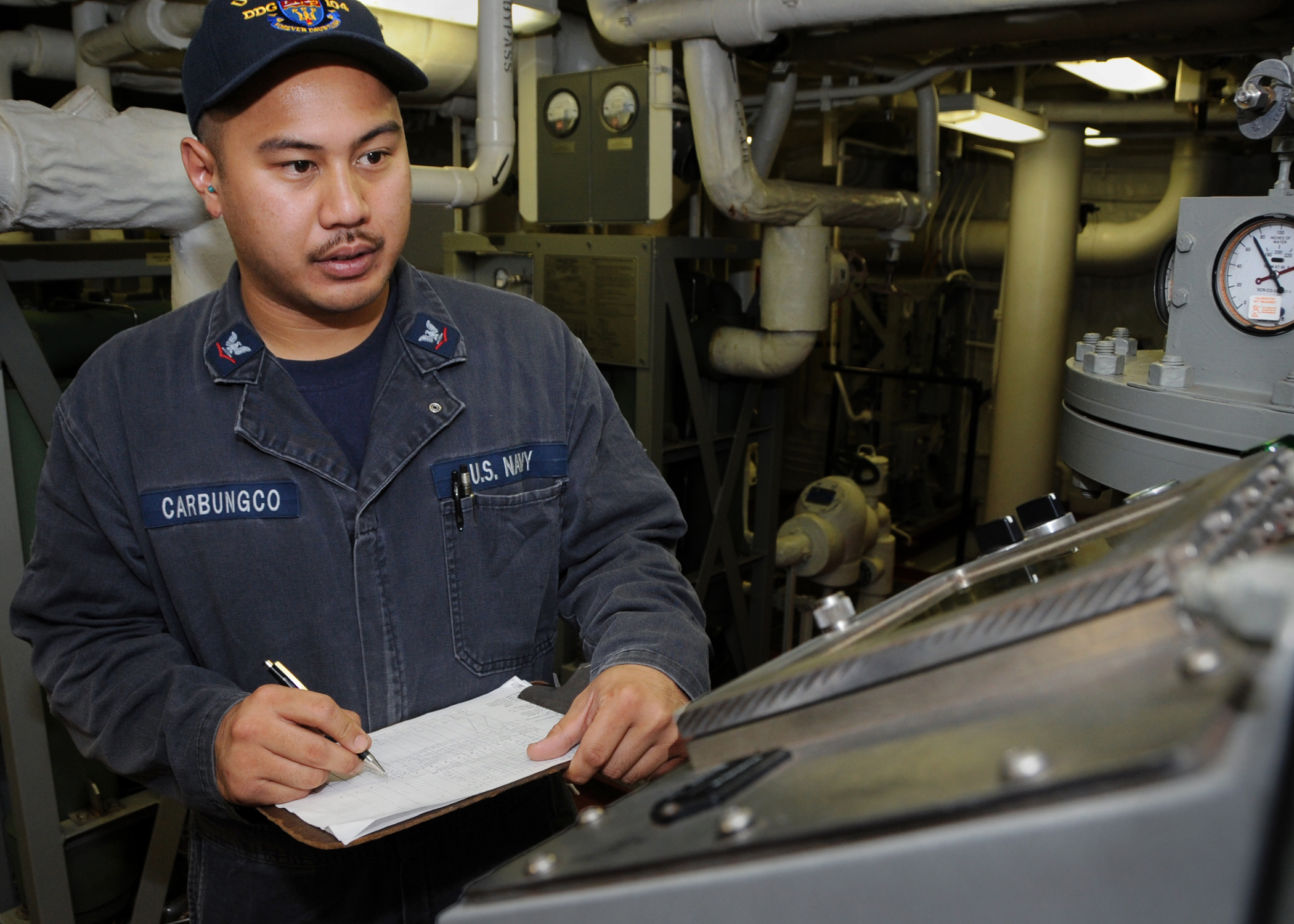
- Engineering space repair work — MMs, BTs, EMs, and HTs going aboard Gearing, Forrest Sherman, Knox, and Spruance class destroyers to perform maintenance in the destroyers’ engineering spaces worked in the asbestos-insulated firerooms and engine rooms of those ships. Tender crew members entering destroyer firerooms for boiler tube work, steam fitting maintenance, and valve maintenance were in the same asbestos-intensive environment as the destroyer’s own crew
- Steam plant overhaul support — extended destroyer maintenance alongside the tender involved tender crew members working in the destroyer’s engineering spaces for sustained periods during partial steam plant overhauls and major maintenance availabilities
Tender Engineering Spaces
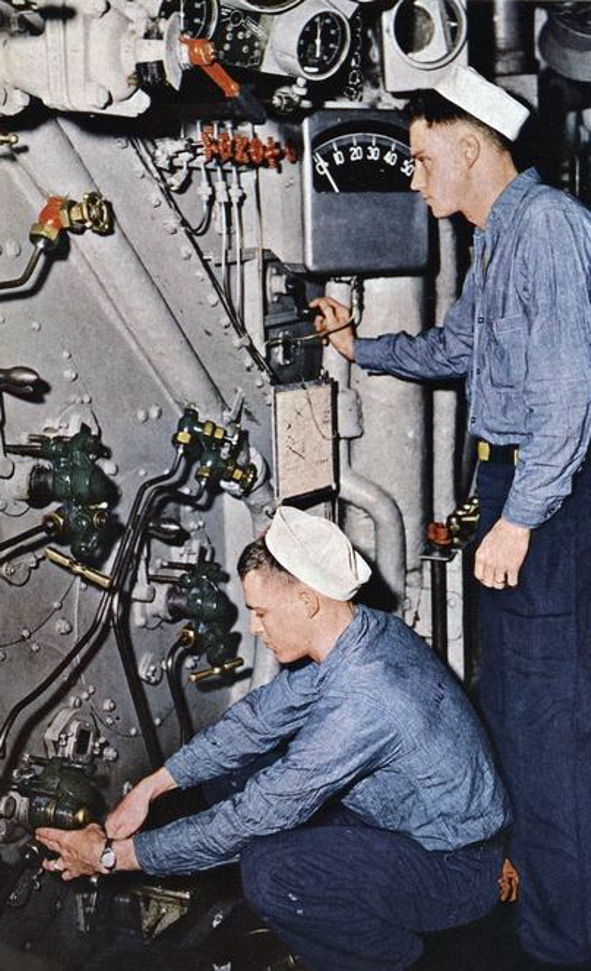
Destroyer tenders maintained their own steam propulsion plants for self-powered mobility between ports:
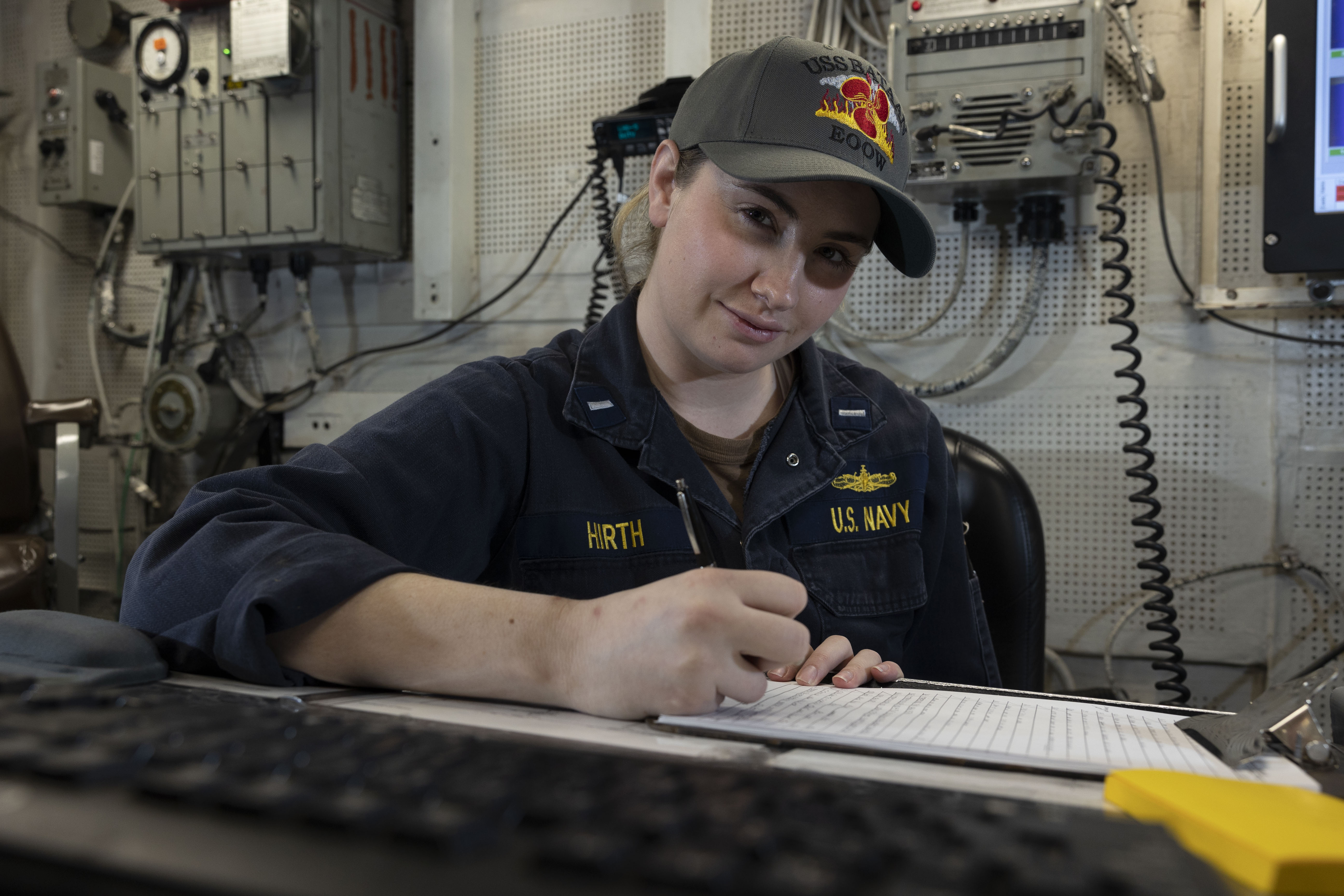
- The tender’s own engineering spaces — firerooms and engine rooms powering the tender’s propulsion plant — may have contained asbestos insulation on boilers, main steam piping, and turbine casings consistent with the tender’s WWII or Cold War construction era
VA Claims for Destroyer Tender Veterans
VA evaluates asbestos-related disability claims on a case-by-case basis. Veterans generally need evidence of in-service asbestos exposure, a current asbestos-related diagnosis, and a medical link between them. Engineering ratings who served aboard destroyer tenders in workshop, engineering, or maintenance billets — including those who performed maintenance aboard deployed surface combatants while assigned to tender crews — and have since been diagnosed with mesothelioma, asbestosis, or asbestos-related lung cancer may qualify for VA disability benefits.
The asbestos-containing products documented on U.S. Navy vessels and at shipyards are catalogued by manufacturer on AsbestosIndex. These records cross-reference which companies supplied which materials and to which facilities.
Navy Ratings Most Exposed to Asbestos Aboard Destroyer Tenders (AD)
The U.S. Department of Veterans Affairs and the public asbestos litigation record document that the following Navy ratings worked routinely in spaces where ACM was installed, maintained, ripped out, and replaced:
VA Disability Claims for Asbestos-Related Disease
The U.S. Department of Veterans Affairs evaluates asbestos claims individually. A veteran generally needs medical evidence of a current asbestos-related disease, service evidence supporting in-service asbestos exposure, and a medical opinion connecting the two. Ship assignments, Navy ratings, and equipment records can help document the exposure history but do not create automatic service connection.
Approved claims may provide monthly disability compensation and related benefits. Survivors may separately qualify for Dependency & Indemnity Compensation when the applicable requirements are met. Civil lawsuits and asbestos-trust claims use different standards; claimants should obtain individualized advice about how the processes interact.
How to file a VA disability claim: VA claims are filed directly with the U.S. Department of Veterans Affairs — not with a law firm. Start at VA.gov › Hazardous Materials Exposure, call 1‑800‑827‑1000, or get free help filing from a Veterans Service Organization: DAV, VFW, or American Legion.
VA Claims Guide on This Site › Compare: VA vs. Civil Lawsuit
Source notes: equipment-manifest entries (where shown) are sourced from public-record BUSHIPS (Bureau of Ships) documentation, NARA archives, and the public asbestos litigation record. Manufacturer attributions link to documented asbestos-product histories on AsbestosIndex.com where available. Nothing on this page constitutes medical or legal advice.