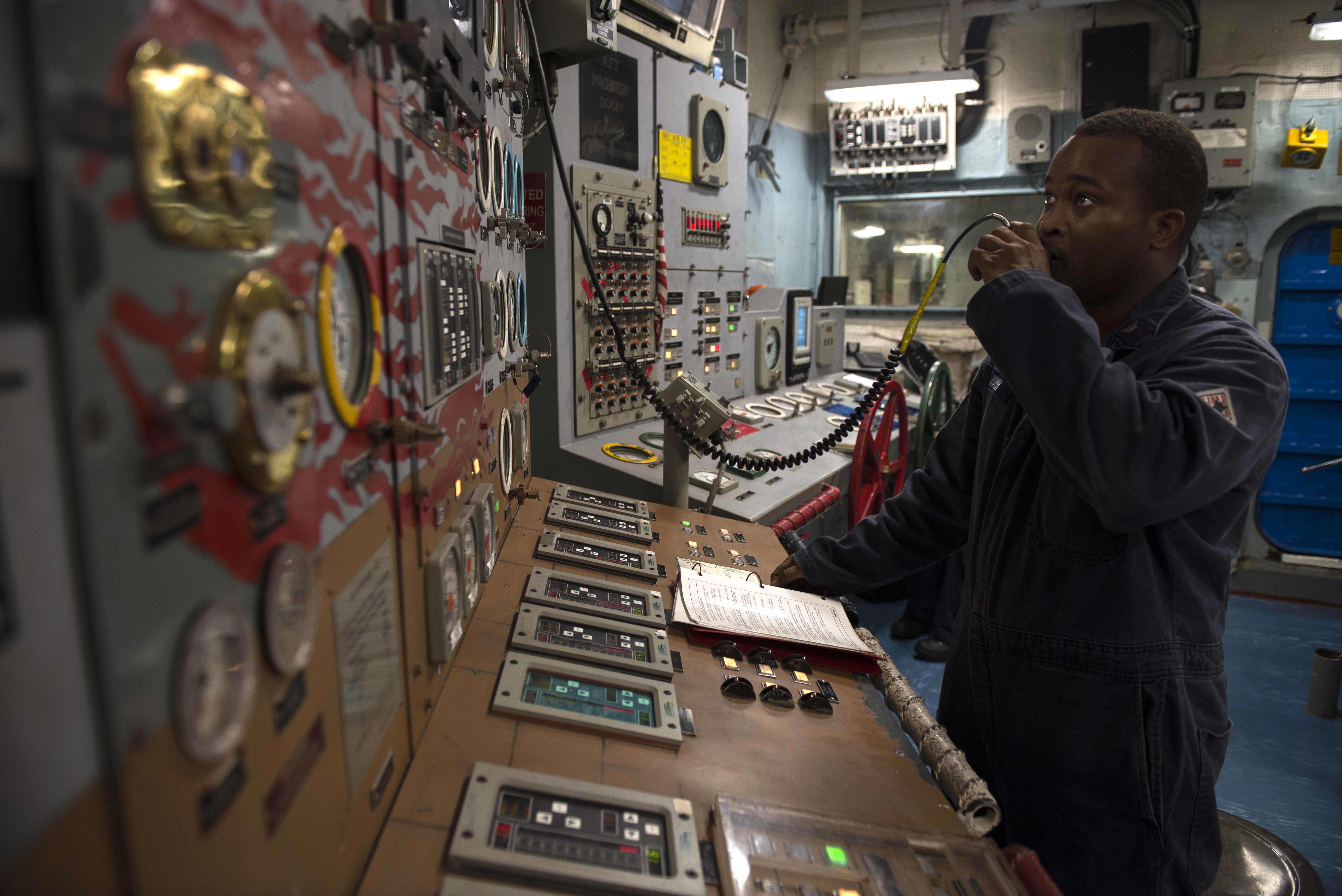
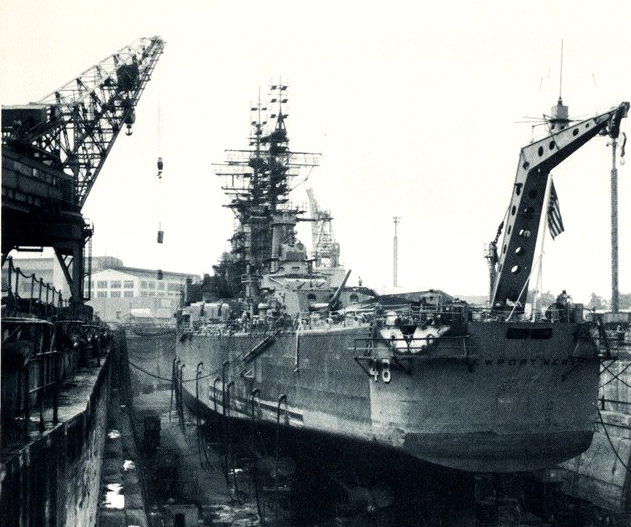
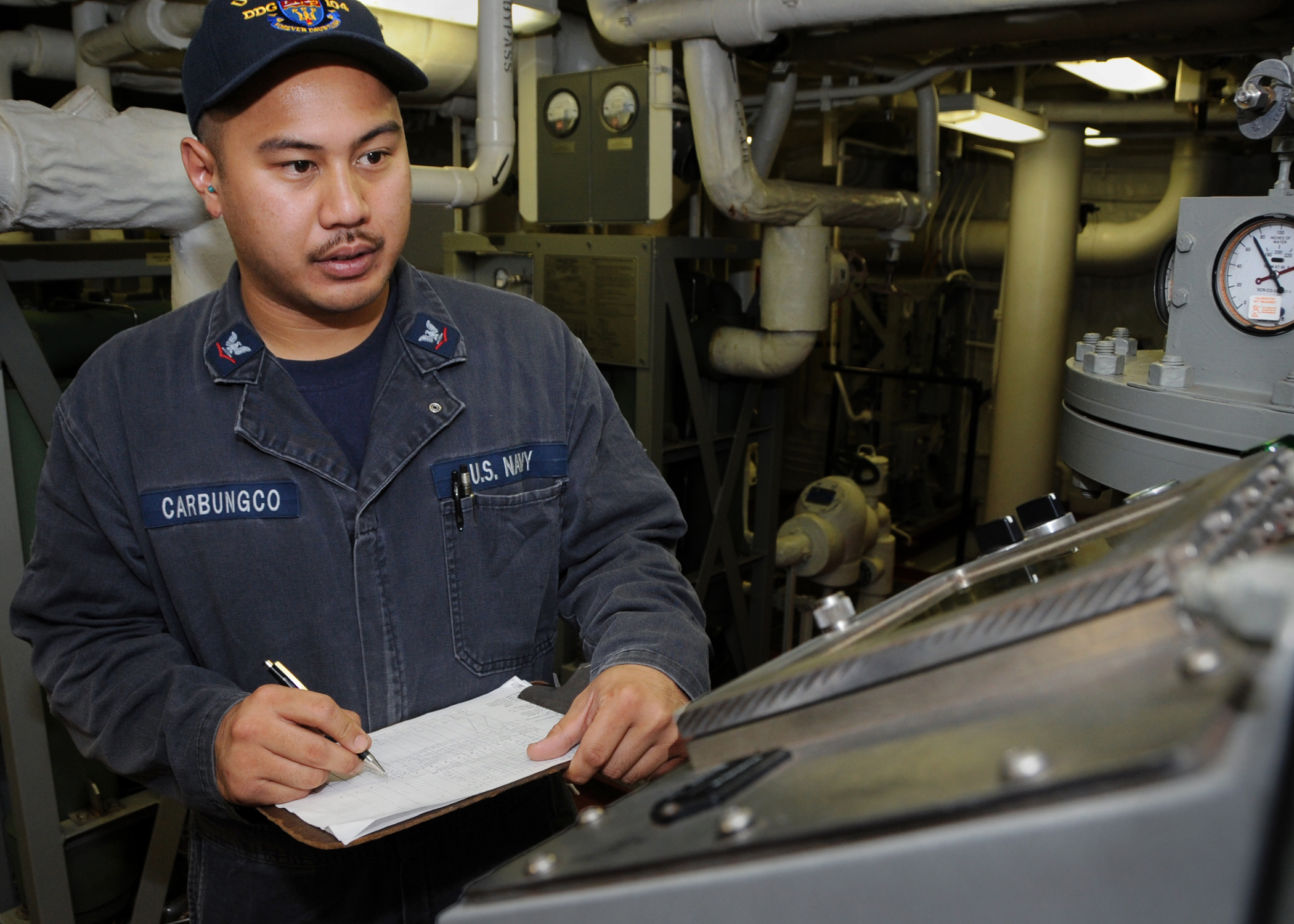
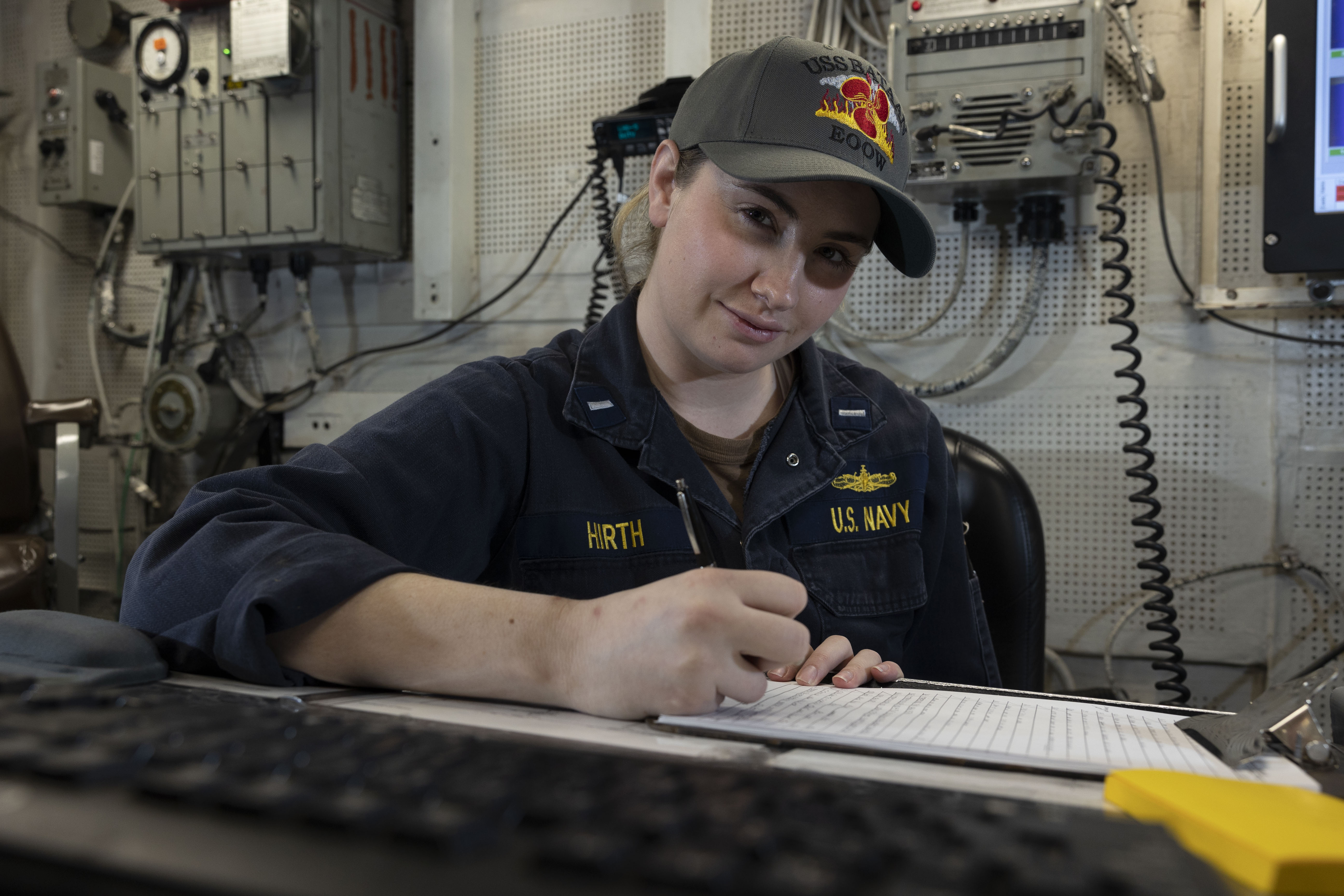
The Arleigh Burke class Aegis guided missile destroyers — DDG-51 and subsequent hulls commissioned beginning in 1991 — are the United States Navy’s primary surface combatants and the most capable destroyers in US history. Built primarily at Bath Iron Works in Maine and Ingalls Shipbuilding in Pascagoula, Mississippi, Arleigh Burke class destroyers use four General Electric LM2500 gas turbine engines in a COGAG arrangement driving two shafts. The Arleigh Burke class incorporates the Aegis combat system with SPY-1D phased array radar, providing simultaneous tracking of hundreds of air targets and theater ballistic missile defense capability. The earliest Arleigh Burke class destroyers — USS Arleigh Burke (DDG-51) commissioned 1991 and the Flight I and Flight II hulls that followed — were built during the early 1990s when asbestos had been largely phased out of new naval construction, but some engineering space construction applications in the earliest hulls may reflect residual use of asbestos-containing materials consistent with the construction specifications in effect during their building.
Early Arleigh Burke Class Engineering Space Construction
The earliest Arleigh Burke class destroyers may incorporate residual asbestos:
- Gas turbine exhaust duct thermal insulation — the LM2500 gas turbine engine exhaust ducting aboard Arleigh Burke class destroyers incorporates high-temperature thermal insulation to protect surrounding ship structure from gas turbine exhaust temperatures. The thermal insulation materials used in the exhaust duct construction of the earliest Arleigh Burke class hulls commissioned in the early 1990s reflect the construction specifications in effect at the time of their building. Engineering ratings working in the engine rooms of early Arleigh Burke class destroyers accumulated background asbestos exposure from any asbestos-containing thermal insulation present in the exhaust system construction
- Reduction gear and propulsion machinery spaces — the reduction gear rooms and propulsion machinery spaces aboard Arleigh Burke class destroyers were constructed using construction materials consistent with the early 1990s construction specifications. The extent of asbestos-containing materials in the earliest Arleigh Burke class machinery space construction reflects the state of naval construction standards at the time of each hull’s building
- Auxiliary machinery and pump room pipe insulation — the hot water systems, fuel oil systems, and mechanical piping throughout Arleigh Burke class auxiliary machinery spaces incorporated pipe insulation materials consistent with the early 1990s construction specifications. Engineering ratings working in Arleigh Burke class auxiliary spaces accumulated background asbestos exposure from any asbestos-containing pipe insulation present in the auxiliary system construction
Hull Interior Construction
Early Arleigh Burke class destroyers incorporated early-1990s hull construction materials:
- Below-decks crew berthing and working space construction — the crew berthing compartments and working spaces within the Arleigh Burke class hull were constructed using early 1990s naval construction materials. Crew members serving aboard the earliest Arleigh Burke class hulls accumulated background asbestos exposure from any residual asbestos-containing materials incorporated in the hull construction
Arleigh Burke-Class Ships — Individual Exposure Pages
Each Arleigh Burke-class ship below has its own service-history and shipboard asbestos-exposure page:
- USS Arleigh Burke (DDG-51)
- USS Barry (DDG-52)
- USS John Paul Jones (DDG-53)
- USS Curtis Wilbur (DDG-54)
- USS Stout (DDG-55)
- USS John S Mccain (DDG-56)
- USS Mitscher (DDG-57)
- USS Laboon (DDG-58)
- USS Russell (DDG-59)
- USS Paul Hamilton (DDG-60)
- USS Ramage (DDG-61)
- USS Fitzgerald (DDG-62)
- USS Stethem (DDG-63)
- USS Carney (DDG-64)
- USS Benfold (DDG-65)
- USS Gonzalez (DDG-66)
- USS Cole (DDG-67)
- USS The Sullivans (DDG-68)
- USS Milius (DDG-69)
- USS Hopper (DDG-70)
- USS Ross (DDG-71)
- USS Mahan (DDG-72)
- USS Decatur (DDG-73)
- USS Mcfaul (DDG-74)
- USS Donald Cook (DDG-75)
- USS Higgins (DDG-76)
- USS Okane (DDG-77)
- USS Porter (DDG-78)
- USS Oscar Austin (DDG-79)
- USS Roosevelt (DDG-80)
- USS Winston S Churchill (DDG-81)
- USS Lassen (DDG-82)
- USS Howard (DDG-83)
- USS Bulkeley (DDG-84)
- USS Mccampbell (DDG-85)
- USS Shoup (DDG-86)
- USS Mason (DDG-87)
- USS Preble (DDG-88)
- USS Mustin (DDG-89)
- USS Chafee (DDG-90)
- USS Pinckney (DDG-91)
- USS Momsen (DDG-92)
- USS Chung Hoon (DDG-93)
- USS Nitze (DDG-94)
- USS James E Williams (DDG-95)
- USS Bainbridge (DDG-96)
- USS Halsey (DDG-97)
- USS Forrest Sherman (DDG-98)
- USS Farragut (DDG-99)
- USS Kidd (DDG-100)
- USS Gridley (DDG-101)
- USS Sampson (DDG-102)
- USS Truxtun (DDG-103)
- USS Sterett (DDG-104)
- USS Dewey (DDG-105)
- USS Stockdale (DDG-106)
- USS Gravely (DDG-107)
- USS Wayne E Meyer (DDG-108)
- USS Jason Dunham (DDG-109)
- USS William P Lawrence (DDG-110)
- USS Spruance (DDG-111)
- USS Michael Murphy (DDG-112)
- USS John Finn (DDG-113)
- USS Ralph Johnson (DDG-114)
- USS Rafael Peralta (DDG-115)
- USS Thomas Hudner (DDG-116)
- USS Paul Ignatius (DDG-117)
- USS Daniel Inouye (DDG-118)
- USS Delbert D Black (DDG-119)
- USS Carl M Levin (DDG-120)
- USS Frank E Petersen JR (DDG-121)
- USS John Basilone (DDG-122)
- USS Lenah Sutcliffe Higbee (DDG-123)
- USS Harvey C Barnum JR (DDG-124)
- USS Jack H Lucas (DDG-125)
- USS Louis H Wilson JR (DDG-126)
- USS Jeremiah Denton (DDG-127)
- USS Ted Stevens (DDG-128)
- USS William Charette (DDG-130)
- USS George M Neal (DDG-131)
- USS Quentin Walsh (DDG-132)
- USS Sam Nunn (DDG-133)
- USS John E Kilmer (DDG-134)
- USS Thad Cochran (DDG-135)
- USS Richard G Lugar (DDG-136)
VA Claims for Arleigh Burke Class Veterans
VA evaluates asbestos-related disability claims on a case-by-case basis. Veterans generally need evidence of in-service asbestos exposure, a current asbestos-related diagnosis, and a medical link between them. Crew members who served aboard early Arleigh Burke class guided missile destroyers and have since been diagnosed with mesothelioma, asbestosis, or asbestos-related lung cancer may qualify for VA disability benefits.
The asbestos-containing products documented on U.S. Navy vessels and at shipyards are catalogued by manufacturer on AsbestosIndex. These records cross-reference which companies supplied which materials and to which facilities.
Navy Ratings Most Exposed to Asbestos Aboard Arleigh Burke Class
The U.S. Department of Veterans Affairs and the public asbestos litigation record document that the following Navy ratings worked routinely in spaces where ACM was installed, maintained, ripped out, and replaced:
VA Disability Claims for Asbestos-Related Disease
The U.S. Department of Veterans Affairs evaluates asbestos claims individually. A veteran generally needs medical evidence of a current asbestos-related disease, service evidence supporting in-service asbestos exposure, and a medical opinion connecting the two. Ship assignments, Navy ratings, and equipment records can help document the exposure history but do not create automatic service connection.
Approved claims may provide monthly disability compensation and related benefits. Survivors may separately qualify for Dependency & Indemnity Compensation when the applicable requirements are met. Civil lawsuits and asbestos-trust claims use different standards; claimants should obtain individualized advice about how the processes interact.
How to file a VA disability claim: VA claims are filed directly with the U.S. Department of Veterans Affairs — not with a law firm. Start at VA.gov › Hazardous Materials Exposure, call 1‑800‑827‑1000, or get free help filing from a Veterans Service Organization: DAV, VFW, or American Legion.
VA Claims Guide on This Site › Compare: VA vs. Civil Lawsuit
Source notes: equipment-manifest entries (where shown) are sourced from public-record BUSHIPS (Bureau of Ships) documentation, NARA archives, and the public asbestos litigation record. Manufacturer attributions link to documented asbestos-product histories on AsbestosIndex.com where available. Nothing on this page constitutes medical or legal advice.